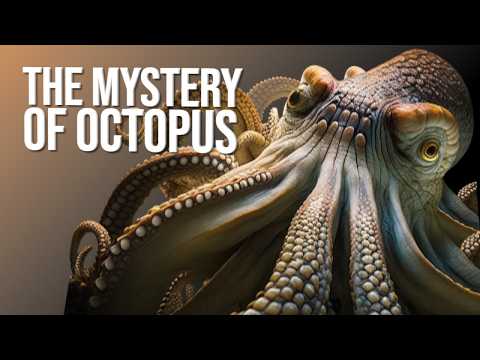
Did you know that octopuses have three hearts? Yeah, it sounds like a sci-fi movie plot, but it’s totally true. Imagine having one heart for, you know, love, and two extras just for keeping you alive!
But that’s not even where the fun ends. These clever critters can change color faster than we can pick a shirt in the morning. Seriously! They’re like the ultimate shape-shifters of the ocean.
So, what gives? What makes them so unique? Well, their genome is a wild ride of surprises! It’s packed with secrets that help explain their smarts and those crazy skills they flaunt underwater. Let’s dig into the octopus genome and see what makes these creatures tick—or should I say, pulse?
Unlocking the Secrets of Octopus DNA: Unique Adaptations and Genetic Insights in Marine Science
So, let’s talk about octopus DNA and how these amazing creatures have some pretty unique adaptations. Seriously, when you think about it, octopuses are like the superheroes of the ocean. They can change color, squeeze into tiny spaces, and even regenerate limbs! But what’s behind all this? Well, it all comes down to their genome.
First off, an **octopus genome** is incredibly complex. In fact, it has a higher number of genes compared to some mammals. This large genetic toolkit lets them do some cool stuff that other animals just can’t pull off. For example:
- Color Change: Octopuses have specialized skin cells called chromatophores that contain different pigments. When their brain sends a signal to these cells through their DNA instructions, they can expand or contract to change color and blend into their surroundings. Talk about camouflage!
- Learning and Memory: Did you know octopuses are super smart? Studies show they have a high level of intelligence which might come from the unique structure of their brains and how their DNA is configured to allow for advanced learning.
- Regeneration: If an octopus loses an arm (yep, happens sometimes), they can grow it back! Their DNA plays a role in this regeneration process, influencing how new cells form and develop into a functional limb.
Now, here’s where things get even more interesting. **Octopus DNA** has evolved many features that help them adapt swiftly to changing environments. Their ability to edit RNA — which is like a middleman between DNA and proteins — means they can quickly respond to stress or changes in temperature without needing lengthy evolutionary changes.
Here’s an anecdote for you: there was once a study where scientists observed an octopus named “Inky” who escaped from his aquarium by squeezing through a tiny gap! This incredible feat showcases not only physical adaptability but also the way these creatures think outside the box—literally!
But wait, there’s more! Researchers are peeking beneath the surface by studying the **octopus genome** in comparison with other species like squids and cuttlefish. Understanding these genetic differences helps us figure out how evolution works in aquatic environments and what traits are essential for survival.
On top of that, scientists believe that exploring the genetic code of octopuses could lead to breakthroughs in medicine or materials science too! Imagine finding new ways to create flexible materials inspired by really smart sea creatures—that’s just mind-blowing!
So yeah, when you think about octopuses hanging out on coral reefs or in rocky crags of the ocean floor, remember there’s so much more going on beneath those colorful skins than meets the eye. Their adaptations remind us just how intricate life can be underwater—and hint at so many mysteries still left unsolved in marine science!
Exploring the Genetic Similarities Between Humans and Octopuses: A Scientific Insight
So, you might think humans and octopuses are worlds apart. I mean, we walk on land and they chill in the ocean, right? Well, it turns out there’s some pretty crazy genetic stuff happening beneath the surface. Let’s explore what makes us similar—yes, even us land-dwellers to those eight-armed wonders!
First off, both humans and octopuses share a surprising number of genes. When scientists dive into the genetic materials—basically the blueprints of life—they find significant overlap. It’s like discovering we have a common playlist with our oceanic buddies! Researchers have found that many genes responsible for complex behaviors and neurological functions are present in both species.
But why does this matter? Well, it could give us insights into how intelligence evolved. Octopuses show remarkable problem-solving skills and can, like, escape from jars or even open clam shells to get a snack. Imagine that! A creature with a brain structure so different from ours yet showing signs of smarts!
Moreover, the octopus genome is among the most complex. They have about 33,000 protein-coding genes compared to our modest 20-25 thousand. What’s fascinating is that these extra genes help them adapt to their environment in unique ways. For instance, octopuses can change color and texture almost instantly! This camouflage trick isn’t just for show; it helps them hunt or hide from predators.
Now you might be wondering how they do that. Well, it all comes down to their amazing skin cells—specifically chromatophores (color-changing cells) that help them blend into their surroundings. The point here? The complexity of their genome reflects their complex behaviors.
In another twist of fate—octopuses might also offer insights into human health! Some scientists are digging into how the unique properties of octopus blood work since it’s copper-based rather than iron-based like ours. This could lead to breakthroughs in medicine or even new treatments! Who knew those deep-sea dwellers could turn out to be our next big medical heroes?
Also worth mentioning is how they regenerate their limbs. Octopuses can lose an arm during a scuffle but grow it back over time! They have special stem cells that assist with this regeneration process—a feature we humans can only dream about when dealing with injuries.
So next time you see an octopus at an aquarium or on a nature documentary—remember this: We share more than just oxygen in the sea air; our genetic similarities paint a broader picture of life’s tapestry on Earth. Isn’t it wild thinking that these fascinating creatures might hold keys to understanding ourselves better? It’s like we’re all part of one big adventurous family under the sun—or water!
Comparative Analysis of Octopus and Human Genomes: Unraveling Evolutionary Insights in Cephalopods and Primates
So, let’s talk about octopuses and humans, and how diving into their genomes tells us a lot about evolution. It’s pretty wild when you think about it! Both of us are part of the tree of life, but we’re on very different branches. Octopuses belong to the group called cephalopods, while we are primates. Despite these differences, there’s some really interesting stuff going on under the hood in our DNA.
When scientists started comparing the genomes of octopuses and humans, they found some surprising similarities. For instance, both species share a basic set of genes that help with essential functions like cell growth and metabolism. But here’s where things get fun: octopuses have an incredibly complex genome that allows for unique adaptations.
One cool feature is their ability to change color and texture thanks to special cells in their skin called chromatophores. This isn’t just for style points; it helps them blend into their environment or communicate with each other—like they’re throwing a secret party no one else can see! It highlights how evolution has led to different survival strategies.
Now, if you look at gene duplication, you’ll find something fascinating. This process allows organisms to have extra copies of certain genes that can mutate over time. In octopuses, this has led to an expansion in genes related to the nervous system. You know how flexible and clever they are? Yeah, this genetic quirk contributes hugely!
And speaking of brains—let’s talk about intelligence for a sec. Octopuses have a decentralized nervous system; most of their neurons are actually in their arms! Imagine having eight tiny brains working independently while still being part of one big brain up top! This structural setup likely contributes to their problem-solving skills and dexterity.
On our side of things, human brains boast a high number of unique gene variants associated with cognition and social interaction. We’ve got special genes that help with language development too—something that sets us apart from most animals (sorry octopus friends!).
Now here’s an emotional nugget: think back to those awe-inspiring videos where octopuses solve puzzles or escape from tanks just for fun? Those moments show how different yet sophisticated life can be across species thanks to evolution shaping our genomes in unique ways.
In summary, comparing the genomes of octopuses and humans isn’t just a nerdy science exercise—it reveals some deep insights about adaptation and survival strategies through evolution:
- Genetic similarity: Basic functions shared across species.
- Environmental adaptation: Chromatophore genes allow color change.
- Gene duplication: Octopus genome enables enhanced nervous system features.
- Cognitive abilities: Unique brain structures lead to remarkable problem-solving skills.
Looking at all this lays bare how diverse life is on our planet while also uniting us through shared biological processes. It’s kind of poetic when you sit back and really think about it! Life’s mysteries continue unfolding as we learn more about these amazing creatures… which totally makes me want to go visit an aquarium right now!
Octopuses are like the coolest aliens of the ocean, don’t you think? Seriously, with their squishy bodies, impressive intelligence, and those amazing color-changing abilities, they’ve got a way of fascinating us. But it’s their genome that’s really stirring up some intrigue lately. I mean, if you take a minute to think about it… the octopus has a pretty wild genetic story to tell.
Now picture this: one day at an aquarium, I was mesmerized watching an octopus change color while hiding among rocks and shells. It was like nature’s own magician act! That moment felt electric, almost like I could sense there was so much more going on beneath the surface—literally! Turns out, octopuses have one of the most complex genomes in the animal kingdom. This isn’t just about size; it’s about all the cool stuff packed into it.
Their genome is larger than ours and contains a ton of genes that we don’t even have. For example, researchers found that octopuses can reprogram their RNA—this is like changing how your instructions work midway through cooking a complicated recipe! Can you imagine if you could just tweak your DNA on a whim? This ability probably helps them adapt quickly to different environments or situations. Think about how they can squeeze into tiny spaces or swiftly change colors to escape predators or ambush prey.
What really blows my mind is how these creatures are not just surviving; they’re thriving in ways we can only marvel at. Their unique genes help them develop incredible traits—like those eight arms that seem almost sentient on their own! Each arm is lined with thousands of suckers that can taste as well as grip.
But beyond all this biological wizardry lies some serious implications for science and medicine too. Studying the octopus genome might unlock new insights into human health or neurological conditions since their brain structure is unlike anything else in nature.
So yeah, if you’ve ever wondered why we keep studying these quirky cephalopods from the deep blue sea, it’s not just because they’re fun to watch (even though they totally are). It’s more about uncovering secrets that could change our understanding of life itself. With every new finding from their genome, it’s like we’re peeling back another layer of mystery surrounding these extraordinary creatures—and who knows what we’ll discover next?