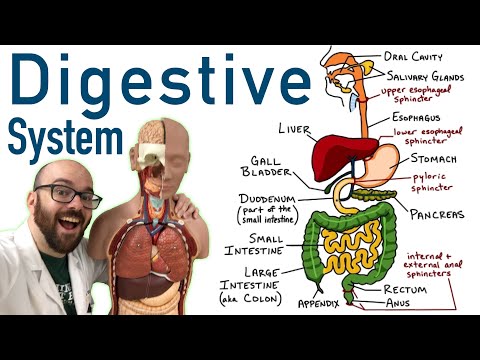
So, picture this: you’re at a party. There’s pizza, chips, and cake everywhere. You stuff your face, and later you’re like, “Why did I eat that much?!” Well, my friend, that’s all on your stomach!
The stomach is like this stretchy bag that’s working overtime every time you chow down. Isn’t it wild how it can handle all that food?
But let’s not just stop at the food party. The stomach has a cool design too! Seriously, it’s more than just a pouch – there are layers and parts doing their own thing.
I’ve stumbled on some pretty neat diagrams of the stomach that break it all down. They really help show how this amazing organ functions!
Stick around as we unravel the anatomy of your favorite food-wasting machine!
Comprehensive Stomach Diagram: Understanding Human Digestion in Scientific Detail
The human stomach is a pretty amazing organ, isn’t it? It’s not just a sack that holds your food; it plays a crucial role in digestion. Let’s break down how it works, step by step, so you can get a better picture of what’s going on inside when you munch on your favorite snacks.
First off, the stomach is divided into four main regions: the cardia, fundus, body, and pylorus. Each part has its own job to do in this intricate process.
- Cardia: This is where the food enters from the esophagus. It’s like the welcome mat for your meals!
- Fundus: This upper part can expand to hold more food and gas. Think of it as the ballooning section when you’re all stuffed after dinner.
- Body: The biggest part, where most of the action happens. Food gets mixed with gastric juices here, which are super acidic and help break everything down.
- Pylorus: This is like a gatekeeper! It controls what goes into the small intestine, ensuring only well-digested food gets through.
Now let’s talk about those gastric juices! They’re mainly made up of water, hydrochloric acid (which sounds scary but helps digest proteins), and digestive enzymes like pepsin. When you eat something, your brain signals your stomach to produce these fluids. It’s like a little pep rally for digestion!
Speaking of digestion, have you ever noticed when you’re really hungry—like after a long day or right before lunch—your stomach growls? That’s called borborgymi! It’s just your stomach muscles contracting as they prepare to break down whatever deliciousness comes next.
Another cool thing? The walls of your stomach are lined with mucus that protects it from being digested itself by those strong acids! Imagine if your stomach didn’t have that safety blanket—a recipe for disaster!
After food has been mixed and broken down into this soupy mixture called chyme (not to be confused with slime!), it moves on to the small intestine through the pylorus. This transition is super important because most nutrient absorption happens there.
But wait—there’s also something about hunger hormones that play into this whole process! Ghrelin is released by an empty stomach to signal hunger, while other hormones tell you when you’ve had enough. So there’s definitely more than just physical signals at play here.
In summary, understanding your stomach’s anatomy helps explain how we break down our food and absorb nutrients effectively. Each part and function plays nicely together as part of a larger system that keeps us fueled and happy.
So next time you’re enjoying a meal or maybe even feeling that post-lunch slump, remember all the incredible processes happening inside your belly!
Comprehensive Guide to Simple Stomach Diagrams: Visualizing Human Digestive Anatomy
So, let’s chat about stomach diagrams and why they’re super useful for understanding our digestive anatomy. Seriously, diagrams can turn something that sounds complicated into a pretty clear picture. When you first look at a stomach diagram, it might seem like just a drawing, but there’s so much more to it!
The human stomach is like a food processor in your body. It’s a muscular sac that plays an essential role in digestion. Here are some key parts of the stomach to look for in diagrams:
- Cardia: This is where the food enters from the esophagus. Think of it as the door to your stomach.
- Fundus: That’s the top part of the stomach, where gasses might collect after eating.
- Body: The main area where most of the digestion happens. It produces gastric juices that break down food.
- Pylorus: This is at the bottom of the stomach and controls what goes into the small intestine.
- Pyloric Sphincter: A muscle that opens and closes to let digested food pass through.
If you’ve ever felt butterflies in your stomach before a big presentation or felt like you’ve eaten too much pizza, that’s all happening because of these parts working together! It’s kind of wild when you think about how everything works in harmony.
A good diagram often highlights these structures with labels and possibly color coding. Like, green for acidic areas or red for muscular ones. This makes it easy to learn what each part does without feeling lost in medical jargon.
You might occasionally see extra details like blood vessels connected to the stomach on some diagrams—these are vital as they supply oxygen and nutrients. In fact, they help keep everything functioning properly!
And hey, here’s something interesting: if you’re looking at a more complex diagram, you might spot layers of muscle or epithelial tissue too! The muscularis layer, for instance, helps churn and mix food with those digestive juices I mentioned earlier.
The different types of cells found in the lining can also be noted; they produce mucus to protect against acid damage. Wouldn’t want those strong acids eating away at our insides!
Sometimes visual aids like arrows indicate movement—like how food travels through your digestive system—which adds another layer of clarity when studying diagrams.
If I had one takeaway for anyone looking at these things: don’t shy away from them! Diagrams are fantastic tools for grasping anatomy quickly. They can really bring learning to life by connecting facts with visual representation—you know?
If you’ve got kids or younger siblings curious about how their bodies work, share some simple diagrams with them! It can spark their interest in biology or health sciences later on. Plus, who doesn’t love cool visuals? They make learning fun!
The next time you’re munching on something tasty, remember all that hard work your stomach does behind the scenes—what an amazing little organ! And with clear diagrams helping us visualize its structure and function, we can appreciate it even more!
Understanding the Four Layers of the Stomach Wall: A Detailed Scientific Exploration
The stomach is more than just a pouch for your food. It’s a remarkable organ with layers that work together to break down what we eat. So let me walk you through the four layers of the stomach wall, because understanding them is pretty cool.
The outermost layer is called the serosa. Think of it like a protective blanket for your stomach. This smooth layer is made up of connective tissue and helps reduce friction between your stomach and other organs as they move around during digestion. It’s important because, without this layer, things could get a bit messy in there!
Next up is the muscularis, which has two main muscle layers: the outer longitudinal layer and the inner circular layer. These muscles are like a team working hard to churn and mix food, turning it into a semi-liquid substance called chyme. Imagine your stomach as a washing machine—these muscles keep everything moving around so that digestive juices can break down food more effectively.
Moving inward, we reach the submucosa. This layer contains blood vessels, nerves, and connective tissue. It’s like the support system of your stomach! The blood vessels supply oxygen and nutrients to the cells in the stomach wall, while nerves help regulate digestion. It’s kind of amazing, right? This means that even though you might not think about it, there’s an entire communication system going on inside you all the time.
Finally, we have the mucosa, which is the innermost layer lining your stomach. It produces digestive fluids and mucus to protect your stomach from acid damage. This layer has special cells called goblet cells that secrete mucus—think of them as tiny bodyguards against harsh gastric acids! Without this protective barrier, our own digestive juices would actually harm us.
So basically, these four layers—the serosa, muscularis, submucosa, and mucosa—work together to ensure our digestion goes smoothly without any hiccups (literally!). I once learned about this stuff during my biology class and found it super interesting how each part plays its role—almost like an orchestra where every instrument matters for creating beautiful music.
In short: next time you enjoy a meal and feel full afterwards, remember there’s quite a lot going on inside that little tubby sack called your stomach! Isn’t anatomy just awesome?
You know that feeling when you’re really hungry? That grumbling sound your stomach makes, like it’s asking for a pizza or something? Well, your stomach is way more than just a food container; it’s this fascinating organ with its own story to tell.
So let’s break it down a bit. The stomach is like a stretchy bag in your body. It sits between the esophagus and the small intestine, and when you eat, food goes in there. Basically, the stomach has a couple of cool jobs. First off, it mixes up food with these special juices that help break everything down. Imagine your favorite smoothie — blending fruits together until they’re just right. That’s kind of what’s happening inside your stomach!
Now here’s where it gets interesting: the stomach has layers! Yeah, it’s not just one flat wall. You’ve got this inner layer lined with tiny cells that produce gastric juices — things like hydrochloric acid (which sounds scary but helps digest food) and enzymes to break down proteins. Then there’s a muscle layer that mixes everything up. And outside of that lies another layer which protects the stomach from its own acid because, seriously, who wants to be burned from the inside out?
I remember once when I was at this potluck, feeling all adventurous, I went for a dish I’d never tried: spicy curry! At first bite, my taste buds were dancing like they won the lottery! But as soon as I swallowed it… oh boy! My stomach was not ready for all those spices. For hours afterward, it felt like a little workout was happening in there — all those muscles churning and mixing to cope with the heat.
Now let’s not forget about how important this organ is for digestion overall. Once your food is broken down into this soupy mix called chyme (sounds gross but stick with me!), it gradually empties into the small intestine where even more nutrient absorption takes place.
And you might not think about it much, but every time you eat something new or even familiar, your stomach’s hard at work doing its thing. It adapts to what you throw at it: whether that’s hearty chili or an innocent bowl of cereal.
So yeah, next time you’re munching away and hear that growl from your belly, take a moment to think about what’s going on in there! Your stomach is pulling off some serious multitasking moves behind the scenes while you’re just trying to enjoy lunch or dinner. It’s pretty amazing how our bodies work together!