So, picture this: You’re at a party, and someone cracks a joke about superheroes having crazy powers. Everyone’s laughing until someone mentions hemophilia. Like, wait—what does that have to do with superheroes?
Well, here’s the thing: folks with hemophilia have bodies that are kinda like superheroes in disguise. They can’t clot their blood properly. Simple nicks and cuts can turn into big deals, you know? It’s not like they can just put on a cape and fly away from their issues.
Let’s take a quick look at what goes down in the body when hemophilia is involved. Spoiler alert: it gets a little wild! The science is super fascinating and has some serious implications for how we treat this condition. So grab your snack, and let’s chat about what makes hemophilia tick!
Understanding the Pathophysiology of Hemophilia: Insights into Clotting Disorders and Their Implications in Medicine
Hemophilia is a genetic disorder that affects the blood’s ability to clot. It’s like having a superhero power, but instead of being able to fly, you can’t stop bleeding like your body should. The issue here lies in the lack of certain proteins called clotting factors, which are vital for making your blood clot effectively.
So, when someone with hemophilia gets a cut or bruise, their body doesn’t stop the bleeding in the same way that someone without the condition would. This can lead to serious bleeding complications—sometimes even from minor injuries. But what causes this whole situation? Let’s break it down.
Firstly, hemophilia mainly comes in two forms: hemophilia A and hemophilia B. Hemophilia A is due to a deficiency of clotting factor VIII, while hemophilia B is linked to factor IX deficiency. Both are inherited as X-linked recessive traits, which basically means they’re more common in males because they have only one X chromosome. If that one X has the faulty gene, it leads to hemophilia.
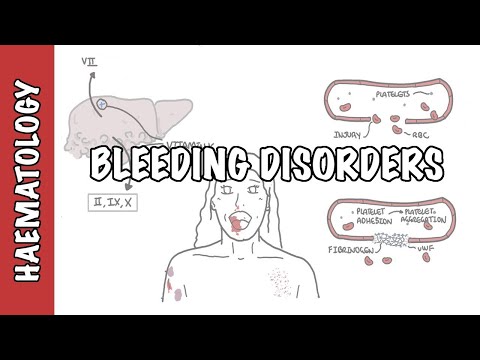
The pathophysiology part is where things can get a bit complicated. Essentially, when there’s an injury, several steps happen for your blood to form a clot:
- Tissue Injury: This triggers the body’s response.
- Platelet Activation: Small cells called platelets rush to the site.
- Cascade Reaction: A series of reactions involving clotting factors takes place.
- Clot Formation: Finally forming a stable clot to seal the wound.
If any of these steps go awry—especially due to missing or dysfunctional clotting factors—the body just can’t complete the job. It’s like trying to finish building a Lego set but missing half of the pieces! And this leads us back to why patients experience excessive bleeding.
Pain and swelling are common symptoms too when internal bleeding occurs in joints or muscles. Imagine having persistent pain for no clear reason; that’s what many hemophiliacs face regularly. This isn’t just about controlling external wounds—internal complications can hurt just as much!
The implications of this disorder stretch far beyond just managing bleeds. For instance, regular treatment often involves infusions of specific clotting factors that are either derived from human plasma or created through genetic engineering techniques. Seriously! These are like superheroes swooping in to save the day again and again.
This frequent treatment can help those with hemophilia lead normal lives, but accessing these therapies may not be easy everywhere—especially in developing countries where resources are limited. You really start to see how medical access plays such an important role here!
Around all this serious science stuff lies an emotional impact too. Families have gone through generations managing this condition; their life stories intertwine with countless hospital visits and treatments while hoping for breakthroughs in research that might change their everyday experiences someday.
The key takeaway here? Understanding hemophilia and its pathophysiology opens doors not only for better healthcare strategies but also for personal insights into what living with such a condition truly means on many levels.
Understanding the Scientific Mechanisms of Hemophilia: Insights into Genetic Disorders and Blood Coagulation
So, let’s chat about hemophilia and how it messes with your blood. It’s a genetic disorder, which basically means it’s written in your DNA. You know how DNA is like a set of instructions for your body? Well, hemophilia happens when there’s a mistake in the genes that tell your body how to make blood clotting factors.
Clotting factors are proteins that help stop bleeding when you get hurt. If you have hemophilia, your body doesn’t make enough of these factors. There are two main types of hemophilia: Hemophilia A and B. Hemophilia A is caused by a lack of factor VIII, while Hemophilia B is caused by a shortage of factor IX.
Imagine you’re playing soccer, like I did once when I was twelve, and I tripped over my own feet and scraped my knee. With normal blood coagulation—fancy word for clotting—I would just put on a band-aid and be fine in no time. But for someone with hemophilia, that little scrape could turn into something serious because their blood doesn’t clot properly!
Now, let’s break down how this works on a scientific level:
- Genetics: Hemophilia is usually inherited. That means it can run in families. The genes responsible for hemophilia are found on the X chromosome. Since boys have one X and one Y chromosome, they are more likely to have hemophilia if they inherit the faulty gene from their mom.
- Blood Coagulation Process: Normally, when you get injured, your body triggers a series of steps called the coagulation cascade to form a clot. This involves various clotting factors working together to create fibrin—a sticky protein that helps seal wounds.
- Symptoms: Signs of hemophilia can include spontaneous bleeding or excessive bleeding after an injury or surgery, easy bruising, and joint pain from internal bleeding—ouch!
- Treatment Options:<!– Today’s treatments include infusing those missing clotting factors into the bloodstream so people with hemophilia can lead more normal lives.
So what happens if someone with hemophilia gets hurt? They might need to go to the hospital for treatment because their body can’t just handle it on its own like most people can! But thanks to modern medicine and advancements like gene therapy, we’re getting closer to making life easier for those affected.
All in all, understanding hemophilia not only helps those who live with it but also gives us more insight into genetics and how our bodies work—or sometimes don’t work—as intended.
Understanding the Physiological Implications of Hemophilia: A Scientific Overview
Hemophilia is one of those conditions that really puts the spotlight on how our bodies work— or sometimes, how they don’t. It’s a genetic disorder that affects your blood’s ability to clot, which can lead to unexpected bleeding. Picture this: you’re playing basketball and accidentally bump your knee. For most people, that bruise will fade away. But for someone with hemophilia, it could mean a trip to the hospital for treatment because their blood doesn’t clot like yours does.
So, what’s going on in the body? Well, hemophilia mainly comes from mutations in the genes responsible for producing blood clotting factors. There are different types of hemophilia: hemophilia A, which is caused by a deficiency of factor VIII, and hemophilia B, where there’s not enough factor IX. Both are pretty rare conditions that make life quite tricky when it comes to cuts or bruises.
A significant aspect of hemophilia is the pathophysiology. This term basically means “what happens in your body” when you have this condition. In healthy individuals, if they get a cut, their body goes through a complex process where platelets and clotting factors work together to stop the bleeding. But in someone with hemophilia, this process doesn’t work properly because there’s not enough of those clotting factors floating around.
- The first step in stopping bleeding involves platelets sticking together at the injury site.
- Then, those clotting factors come into play to help stabilize that initial plug and form a solid clot.
- If there’s not enough factor VIII or IX due to hemophilia, that stabilizing step just doesn’t happen efficiently.
This means even minor injuries can turn into bigger problems. For instance, deep internal bleeding can occur from common activities like exercising. You might think of athletes dealing with severe pain and swelling when this happens— it’s no joke! And over time, repeated bleeding into joints can lead to chronic problems like arthritis because all that extra blood can damage tissues.
Anecdotally speaking, I remember watching my friend’s brother play soccer one day. He was super talented but had hemophilia A. One rough tackle left him limping off the field because he had bruised his leg pretty badly. We were all scared he’d need immediate medical care; thankfully he didn’t bleed too much but it was definitely a wake-up call about how careful he needed to be while playing sports!
The implications of living with hemophilia stretch beyond just physical challenges; they’re also emotional and social ones as well. Patients often have to be extra cautious about activities they undertake; it’s more than just knowing you’re prone to bleeding; it alters how you interact with the world around you.
Treatment typically involves replacing those missing factors through injections or infusions so patients can lead fuller lives without always worrying about spontaneous bleeds. Advances in gene therapy are on the horizon too—it’s exciting stuff! These therapies aim for long-term fixes rather than just temporary ones.
In summary, understanding hemophilia reveals both biological curiosity and human resilience. It’s incredible how science continuously seeks better ways to manage—and hopefully one day cure—this condition so people can live their lives without fear of unnecessary danger from something as simple as a bruise!
So, hemophilia, huh? It’s this genetic thing that messes with your blood’s ability to clot. You may have heard of it because, like, it’s been around forever. Seriously, you can trace it back to royal families in the past where some poor kid would get a simple scrape and then—bam!—they’d be bleeding out before you could say “band-aid.” But there’s a lot more to this than just a few historical anecdotes.
The cool but kinda sad part is that hemophilia usually comes from a missing or defective gene that’s responsible for making proteins called clotting factors. These are like tiny little superheroes in your blood that rush to the scene when you get hurt. If these heroes are absent or not working right, even the slightest bump could lead to serious bleeding. There are two main types: hemophilia A and B—A is due to a lack of factor VIII and B is linked to factor IX. These might sound like boring science terms, but they’re crucial.
So imagine your best friend growing up who had this condition—you know, always having to watch out at recess while everyone else is running around and playing rough. That was my friend Tommy. He was super cautious about everything, though he somehow managed to make it seem fun too! Like when we had those epic water balloon fights, he’d just go for the sneaky strategy instead of diving into the madness like the rest of us.
Pathophysiology-wise—oh my gosh, it sounds so fancy!—it really deals with how these missing proteins affect your body on a cellular level. When you’re injured, usually those clotting factors jump in action like they’re on a mission. No factors? No clotting! The bleeding just keeps going until either pressure stops it (if you’re lucky) or you get medical help (which was a big deal back in the day). It can cause internal bleeding too; joints especially can suffer since they don’t have any protective barriers.
The scientific implications here are huge! Research continues to explore gene therapy as a potential ‘cure’ for hemophilia—it’s pretty wild how close we might be getting! Imagine being able to fix that gene directly so people no longer have to worry about bleeding incidents all their lives. That could shift everything from everyday life challenges—like what sports you can play—to potentially reducing medical costs significantly over time.
But here’s where things get tricky: while science moves forward at lightning speed sometimes, ethical questions also pop up about who gets access first and what long-term effects could come from such therapies—even how someone’s identity ties into their condition.
So yeah…hemophilia isn’t just another medical term; it drags along tales of history and modern-day implications that touch many lives deeply. Understanding its pathophysiology isn’t just about knowing how things work; it’s about empathy for those who navigate life differently because of it—and maybe sparkling hope for what science might achieve next!