Alright, imagine this: you’re at a party, and someone suddenly starts talking about their crazy cousin who just happens to have a rare tumor. Sounds wild, right? But here’s the kicker – it’s not just any tumor; it’s a pheochromocytoma! You know, that mouthful of a word that makes you sound super smart if you can say it without tripping over your tongue.
So, what’s the deal with these tumors anyway? Well, they pop up in your adrenal glands and can really mess with your body’s hormones. It’s like having a tiny mischief-maker trying to throw your whole system outta whack. Seriously!
When we dig into the histological features of pheochromocytoma tumors, that’s when things get interesting. We’re talking about tiny details that tell us so much about what’s going on inside. And trust me, it’s not just medical jargon; there are some cool stories woven into those cells and tissues!
Let me take you on this journey through the microscopic world of these tumors. You might find yourself captivated by all those little quirks waiting to be discovered!
Comprehensive Overview of Pheochromocytoma Pathology: Key Outlines and Insights in Endocrine Science
Sure! Pheochromocytoma is one of those terms that sounds a bit intimidating, but let’s break it down together. This is a type of tumor that usually pops up in the adrenal glands. You know, those small glands sitting on top of your kidneys? They’re part of your endocrine system, which means they help regulate hormones in your body.
So, what happens with pheochromocytomas? Well, they can cause these glands to go haywire and produce way too much adrenaline and noradrenaline. This can lead to some pretty wild symptoms like heart palpitations, anxiety, and even high blood pressure. Let’s talk about how we identify these tumors on a histological level—basically looking at them under a microscope.
First off, when pathologists examine a pheochromocytoma, they see specific features that set it apart from other tumors. Here are some key outlines:
- Cell Type: These tumors are primarily made up of chromaffin cells. These cells usually produce adrenaline.
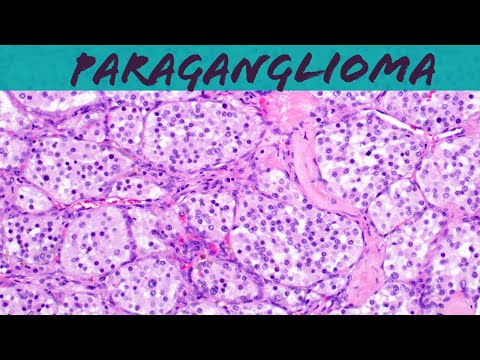
- Cell Arrangement: Under the microscope, the cells often form nests called “zellballen.” They look like tiny groups or clusters and can give you some serious insight into their structure.
- Nuclear Features: The nuclei (the center part of the cells) tend to be round or oval-shaped with finely dispersed chromatin—think of it as being lightly dusted compared to denser types.
- Cytoplasmic Characteristics: The cytoplasm (the fluid inside the cell) can be abundant and sometimes has a yellow-brown pigment due to stored catecholamines.
- Mitoses: An increased number of mitotic figures (which are signs of cell division) can hint at more aggressive behavior, which is something doctors definitely watch for.
Now here’s where it gets a bit more interesting! Not all pheochromocytomas behave in the same way. Some are considered benign while others might be malignant, meaning they could spread to other parts of the body. Pathologists look for specific features like necrosis (cell death) or unusual patterns when assessing the tumor’s potential risks.
Imagine if you stumbled upon an old family photo album with pictures all jumbled up; you’d want to sort them out based on faces or events to understand your family tree better—well, that’s kind of what pathologists do with these tumors! They piece together clues from their microscopic features to determine how serious things might be.
Additionally, finding pheochromocytomas often involves using imaging tests like CT scans or MRIs alongside histological analysis because sometimes they don’t show clear symptoms until they’ve grown quite large.
The fact that these tumors mostly impact hormone levels really makes them important in endocrinology; understanding how they grow and behave helps doctors treat patients effectively. It’s not just about diagnosing; it’s also about finding ways to manage those elevated hormone levels.
So yeah, when dealing with something as complex as pheochromocytoma pathology, it’s crucial for medical professionals to have a robust understanding based on various anatomical clues! The interplay between biology and pathology is quite fascinating in this context—you see how much detail goes into revealing what lies beneath?
Pheochromocytoma Histology: A Comprehensive Guide with Labeled Diagrams for Accurate Diagnosis
Pheochromocytoma is a rare tumor that usually pops up in the adrenal glands. These tumors are known for producing excess catecholamines, which can lead to some intense symptoms like headaches, sweating, and rapid heartbeats. When it comes to pinpointing these tumors, histology plays a key role. Let’s break down what you’d typically see under the microscope.
When you take a look at **pheochromocytoma histology**, here are some key features to remember:
- Cell Type: The tumor’s cells, called chromaffin cells, can be pretty distinctive. They often appear as nests or clusters.
- Staining: These cells usually stain positively for chromogranin A and synaptophysin. So if you’re looking through the slides, those stains will help you identify them easily.
- Cell Arrangement: Look out for “zellballen” patterning—clusters of cells surrounded by delicate connective tissue. This arrangement is classic for pheochromocytomas.
- Nuclear Features: The nuclei can appear pleomorphic (meaning they vary in shape and size), which gives a bit of an abnormal look that’s often noticed in tumor pathology.
- Background Stroma: There’s also an abundant vascular stroma present; you’ll often see lots of blood vessels in these tumors since they’re highly vascularized.
During my time studying these histological features, I remember this one case where we were reviewing slides with a colleague. One of us spotted the zellballen pattern right away. It was like finding a treasure! That excitement—knowing we were on the right track—really highlighted how crucial histology is for an accurate diagnosis.
Now let’s talk about **differential diagnosis** because not every adrenal tumor is a pheochromocytoma. You’ll want to differentiate it from adrenal cortical tumors or other neuroendocrine tumors:
- Adrenal Cortical Carcinoma: Unlike pheos, these tumors tend to show more cytoplasmic pleomorphism and atypical mitotic figures.
- SNS Tumors: Other neuroendocrine tumors might mimic aspects but usually lack that charming zellballen structure and specific staining profiles.
Moreover, when diagnosing pheochromocytoma, consider using **immunohistochemical staining** techniques. For instance:
- S-100 Protein: This stain helps identify sustentacular cells associated with these tumors.
- Ki-67 Index: Assessing the proliferative index can help determine how aggressive the tumor might be.
Histological evaluations should ideally be paired with clinical findings and imaging studies for maximum accuracy. It’s all about putting together pieces of a puzzle!
In summary, examining pheochromocytomas under the microscope reveals distinct histological features that pathologists rely on for diagnosis. From zellballen patterns to specific staining techniques, each aspect plays an important role in understanding this unique tumor type.
So whenever you’re looking through histological slides or working with patient samples related to these conditions—keep your eyes peeled!
Pheochromocytoma Pathology Report: Understanding Diagnosis, Histological Features, and Clinical Implications in Endocrine Oncology
Pheochromocytoma is a tumor that usually develops in the adrenal glands. These little guys sit on top of your kidneys and produce hormones like adrenaline. So, when you have a pheochromocytoma, it can mess with your hormone balance, leading to some pretty wild symptoms.
When diagnosing pheochromocytoma, doctors often rely on imaging tests and blood or urine tests to check for certain markers. These markers include high levels of catecholamines, which are hormones made by the adrenal glands. If your lab results show this hormonal spike, it’s one clue pointing toward pheochromocytoma.
Now, let’s talk about the pathology report. It’s like a cheat sheet for understanding what’s going on with the tumor at a microscopic level. Pathologists look closely at the tumor’s histological features under a microscope. Here are some key points to consider:
- Cell Type: The tumors are mainly composed of chromaffin cells that produce catecholamines.
- Nuclear Features: You might see atypical nuclei which can signal abnormal behavior in cells.
- Cell Arrangement: Tumors often show nests or trabecular patterns called “zellballen.”
- Stroma: There can be varying amounts of stroma (the supportive tissue), so it varies from one tumor to another.
These histological features help pathologists not only confirm the diagnosis but also understand how aggressive the tumor might be.
But here’s where it gets interesting: after spotting all these features in a biopsy sample, doctors assess them further using specific criteria like *the PASS score*, which evaluates how likely it is that the pheochromocytoma will behave aggressively or metastasize (that means spread to other parts of your body).
The clinical implications of these findings are huge! For instance, if a tumor has certain histological characteristics suggesting aggressiveness, doctors might recommend closer monitoring or more aggressive treatment options right off the bat.
Also, sharing personal stories can make these experiences more relatable. A friend of mine dealt with this whole process when they were diagnosed with a pheochromocytoma. The anxiety leading up to getting their pathology report was immense! Understanding what those histological features meant helped them feel more empowered and less lost in the medical jargon surrounding them.
In short, understanding the pathology report regarding pheochromocytomas is crucial not just for diagnosis but also for planning treatment and predicting outcomes. Each little detail matters in painting a full picture of how to tackle this condition effectively!
Pheochromocytomas, those pesky tumors that pop up in the adrenal glands, have a lot going on beneath the surface. When you think about them, it’s easy to get caught up in the symptoms—like hypertension or those unpredictable adrenaline surges that can make anyone feel like they just ran a marathon. But if we peer deeper into their histological features, there’s a story to tell.
Imagine sitting in a hospital room with someone you care about who’s been diagnosed with one. It really hits home how these tumors can affect lives. The thought of a tiny tumor causing such big waves of chaos in someone’s body is kind of unsettling, right? That makes you want to understand what’s happening inside.
So back to histology—basically, the study of tissues and cells under a microscope. In pheochromocytomas, there’s this characteristic feature where the cells look quite distinct. They’re often round or oval and cluster together in patterns called “zellballen” formation. It’s like they’re having their own little party but not quite blending into the rest of the crowd. And here’s where it gets interesting: these tumors usually consist of chromaffin cells which are responsible for hormone production.
You see, these chromaffin cells can spit out catecholamines—epinephrine and norepinephrine—like they’re on a supercharged roller coaster ride. This overproduction leads to those adrenaline rushes I mentioned earlier. Plus, we often find supporting cells called sustentacular cells hanging around these chromaffin ones; they’re like backup dancers making sure everything runs smoothly.
Histologically speaking, there’s diversity in how these tumors can look; some might even show areas of necrosis or hemorrhage (that’s just fancy talk for cell death and bleeding), especially if they’ve grown larger or have been left unchecked. Can you imagine the chaos happening inside? Cells frantically trying to function while surrounded by damage!
The vascularity is another key aspect—these tumors tend to be quite blood-rich, which is partly why they can cause such intense symptoms when they’re pumping out hormones. The more blood vessels present, the more power this tiny tumor holds over its host.
It’s wild when you think about it all—the combination of cellular features and functions creating this whirlwind effect on health! Knowing what happens at this microscopic level gives us insight into potential treatments and management strategies for patients dealing with pheochromocytomas.
So yeah, while they might seem small on paper or in scans, don’t underestimate their complexity or impact! Every little cell is part of an intricate system that plays a huge role in our body’s overall well-being. Just thinking about all that can feel overwhelming sometimes but also kind of amazing—and that’s what makes science so darn compelling!