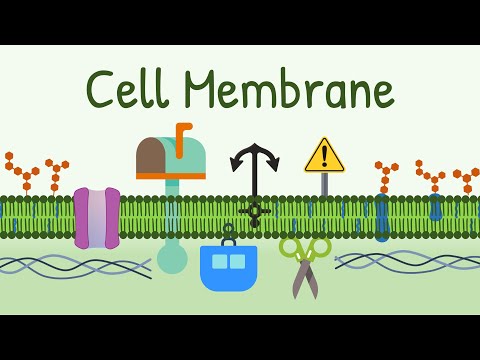
Okay, so picture this: you’re at a party, right? Lots of people mingling, some bumping into each other, but mostly just vibing. Now imagine that party is a cell, and everyone inside it needs to get along to keep the fun going. That’s where phospholipids come in!
These little molecules are like the bouncers at the door of the cell—their job? Making sure only the right guests get in and out. Sounds wild? Well, it’s true! Phospholipids are a big deal when it comes to cell membranes.
But here’s the kicker: while they might look simple, these guys are super complex in how they organize themselves. They form a cool double layer that protects and holds everything together. Let’s actually dig into what makes phospholipids so special and why they’re essential for life as we know it!
Understanding Phospholipid Structure and Its Role in the Phospholipid Bilayer: Insights from Cell Biology
Phospholipids are pretty cool little molecules that play a major role in how our cells work. Imagine them as the building blocks of cell membranes, which are like protective barriers for cells. So, what’s the deal with their structure? Well, let me break it down for you.
At the core of a phospholipid, you’ve got two key parts: a hydrophilic head and two hydrophobic tails. The head is like a friendly character that loves water and is made up of a phosphate group. On the flip side, those tails are not interested in water at all; they’re made of fatty acids that prefer to hang out away from water. This creates a really interesting situation when phospholipids come together in an aquatic environment.
When you drop phospholipids into water, they don’t just float around randomly. Instead, they organize themselves into a phospholipid bilayer. This means that the hydrophilic heads face outward towards the water while the hydrophobic tails tuck away from it, hugging each other tightly in the middle. It’s kind of like making a sandwich: bread (the heads) on the outside and filling (the tails) tucked inside!
Now let’s talk about why this bilayer thing is essential for cells. Because of this structure:
- Flexibility: The bilayer allows cells to be flexible and adapt to their surroundings.
- Selectively Permeable: It controls what gets in and out—only certain molecules can sneak through.
- Cell Communication: Proteins embedded within this bilayer act like mail carriers, sending signals between cells.
Without this clever arrangement, our cells would have trouble maintaining their integrity and functioning properly. Can you imagine a world where your cells couldn’t communicate or control what goes in? Not great!
So think of every cell membrane as a carefully crafted barrier made possible by these amazing phospholipids working together. They keep everything inside safe while also allowing just enough flow to keep things lively—a perfect balance!
The Role of Phospholipids in Cell Membrane Structure: Insights and Implications for Cellular Function
So, let’s talk about phospholipids and their super important role in cell membranes. You know those tiny, little structures that make up every living thing? Yeah, cells! They need a point of separation from the outside world to function properly. That’s where phospholipids come in.
Phospholipids are special molecules made up of a phosphate group and two fatty acid tails. This unique structure helps them form a double layer, or bilayer, that serves as a barrier between the inside of the cell and everything outside it. Pretty cool, right?
The phosphate head is like the “polar” part—think of it as being attracted to water (hydrophilic). On the other hand, the fatty tails are “non-polar,” meaning they don’t really like water (hydrophobic). Because of this odd couple situation, they naturally arrange themselves into that bilayer formation.
- Fluidity: This structure isn’t just sitting still; it’s fluid! That means the components can move around. This fluidity is crucial because it allows proteins and lipids within the membrane to shift positions, facilitating various cellular functions!
- Selectively Permeable: The membrane acts like a gatekeeper. Some substances can slip through easily because they’re small or non-polar, while others can’t just waltz in. This selectivity is vital for maintaining what’s inside the cell.
- Communication: Those proteins embedded in the phospholipid bilayer play a huge role in how cells communicate with each other. They can send signals, receive information from neighboring cells—kind of like a conversation happening at a coffee shop!
I remember once reading about how our immune cells use these membranes to detect invaders. The phospholipids help in forming receptors on their surfaces, so when something foreign shows up—like a virus—they can recognize it and spring into action!
The implications of how these little guys work are massive! For instance, if you think about diseases or conditions affecting cell membranes—like certain types of cancer or neurodegenerative disorders—it often comes down to how well those phospholipids are doing their job.
So yeah! Phospholipids aren’t just boring molecules; they’re crucial players in maintaining cellular integrity and function. Without them doing their thing in our cells’ membranes, life as we know it would be way less organized—and likely wouldn’t even exist!
Understanding Phospholipids: Key Components of Cell Membrane Structure in Cellular Biology
Phospholipids are super important in the world of cellular biology. Seriously, without them, our cells wouldn’t even have a proper structure. So, let’s break it down like we’re having a chat over coffee.
What Are Phospholipids?
At their core, phospholipids are special molecules made up of two main parts: fatty acid tails and a phosphate group head. The fatty acid tails are hydrophobic, meaning they don’t like water at all. The phosphate head, on the other hand, is hydrophilic—basically it loves water! This dual nature is what makes phospholipids so cool and essential for cell membranes.
Cell Membrane Structure
When you think about how cells are structured, imagine a bodyguard protecting VIPs. This is what the cell membrane does for the cell’s insides. Phospholipids arrange themselves into a double layer (or bilayer) in which the hydrophobic tails face inward away from the water outside and inside the cell while the hydrophilic heads face outward towards the water. That’s right; they’re literally hugging each other!
- Bilayer Formation: This formation creates a barrier that separates the inside of the cell from its environment.
- Fluidity: The bilayer isn’t solid; it’s fluid! This means proteins and other molecules can move around within it.
- Selective Permeability: Only certain substances can get through this membrane—kind of like a bouncer only allowing certain folks into an exclusive club.
Now here’s where it gets interesting: imagine this tiny life event from your childhood when you lost track of your parents in a crowded mall. You felt both anxious and shielded by their presence—phospholipids do something similar for cells! They protect while also letting important things (like nutrients) in.
Role of Phospholipids
So now that we know where they hang out, what do these phospholipids actually do? Here’s some key stuff:
- Create Barriers: They keep unwanted substances out while allowing helpful ones to pass through.
- Cushioning: They provide cushioning to proteins embedded within them.
- Sensory Functions: Some can even help with communication between cells!
To put it simply—it’s like living in an apartment complex where phospholipids decide who comes and goes!
Diversity of Phospholipids
There are different types of phospholipids too! Depending on their structure (like tail length or whether there are double bonds), they can affect membrane properties such as fluidity and flexibility. These tweaks make sure that every kind of cell—from bacteria to humans—can function optimally.
And remember that time you tried to ride your bike downhill without brakes? That thrill—and fear—was kind of like what happens when membranes lose their integrity thanks to too much heat or pressure. But thanks to their unique properties, phospholipid membranes can adjust themselves to some extent, keeping everything safe inside!
So there you have it—a chat about phospholipids that hopefully sticks with you like your favorite memory! They’re way more than just fatty molecules; they’re literally foundational to life as we know it—and who knew something so small could pack such a punch?
Phospholipids, wow, they’re like the unsung heroes of our cells! You know, when you think about it, every living thing around us is made of these tiny building blocks. I remember one time, in high school biology class, our teacher brought in a giant inflatable cell model. It was so funny trying to wrap our heads around how these little molecules were forming walls and protecting all the goodies inside.
Alright, let’s break it down a bit. So, phospholipids are special kind of fats that have a hydrophilic (or water-loving) “head” and two hydrophobic (water-fearing) “tails.” Imagine them as little flags stuck in the sand at a beach. The heads stick out into the watery world while those tails tuck away, kind of hiding from water.
Because of this fun dual nature, phospholipids line up to create a membrane—a boundary that keeps everything together and ensures that what needs to stay in actually stays there. You got your genetic material and all sorts of vital molecules chilling inside this protective bubble while deciding what comes in or goes out.
And it’s not just about being a wall; these membranes are super dynamic! They help transport nutrients and signals like little postmen buzzing around doing their job. I mean, can you believe that they play such a big role in cell communication? When your body needs something—like glucose for energy—these membranes open up to let it in. How cool is that?
But wait, there’s more! Phospholipids also contribute to the fluidity of cell membranes. Think about how some days you feel like you can just glide through life with ease; other days are more sticky or rigid. Well, membranes need to stay flexible too! If they’re too rigid or too loose, cells might not function right.
Just picturing these little lipid warriors doing their thing makes me appreciate how complex yet beautifully orchestrated life is on a microscopic level. You know? It really brings home the idea that even the tiniest parts matter immensely in keeping us alive and kicking!