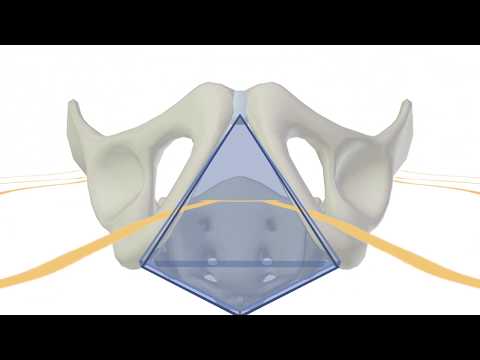
You know that awkward moment when someone brings up “the perineum” at a dinner party? Yeah, it can get pretty cringy. But hold on! It’s actually pretty interesting.
So, picture this: you’re sitting there, and someone casually mentions that little strip of skin between your genitals and your rear. Suddenly, everyone’s laughing, but not really sure why.
But seriously, the perineum isn’t just a punchline to a joke. It plays a crucial role in male anatomy and health. From supporting various organs to influencing certain functions—it’s more important than you might think!
Let’s take a second to explore what this little patch of skin is all about. You might just find yourself appreciating it way more than you ever thought possible!
The Role of the Perineum in Male Anatomy and Physiology: Understanding Its Functions and Significance
The perineum is often one of those parts of anatomy that people don’t think about much, you know? But it actually plays a super important role in male physiology. It’s the area between the anus and the scrotum, and while it might seem small potatoes, its functions are anything but minor.
First off, let’s talk about **function**. The perineum is a key player in your body’s support system. It houses muscles that help with urination and defecation. You ever tried to hold it when you’ve gotta go? Yeah, those muscles are what help you do just that! They contract to keep things under control.
Another fun fact is that the perineum helps maintain erection and ejaculation. During arousal, the pelvic floor muscles tighten, which gives that extra support needed for an erection. This can make a big difference in sexual health because a strong pelvic floor can improve sexual function.
And then there’s its role in **nerve supply**. The area is rich in nerve endings, which means it can be quite sensitive. This sensitivity can be linked to pleasure during certain activities—seriously! It’s not just about the usual spots; this area can also contribute to arousal.
Now let me dip into what happens if things go wrong down there. Issues like **perineal pain** or dysfunction can crop up due to various reasons, such as injury or even post-surgery effects. This kind of pain isn’t just uncomfortable; it might impact your day-to-day life and sexual health too. Dude, nobody wants that!
Oh! And don’t forget about its impact on overall **health**. Keeping the perineal area strong helps with conditions like prostatitis or pelvic floor disorders later on. So doing some exercises for those pelvic muscles could be beneficial—not just for pleasure but for your overall health too!
In terms of anatomy, during puberty, as testosterone levels ramp up in males, the perineum develops along with secondary sexual characteristics. It shows how important this region is from a developmental point of view.
To sum it all up:
- Support Functions: Aids urination and defecation.
- Erection Support: Contributes to maintaining an erection.
- Sensitivity: Rich in nerve endings for potential pleasure.
- Pain Issues: Can lead to discomfort affecting daily life.
- Health Impact: Important for preventing certain disorders.
So next time you think about male anatomy or health issues, remember this little unsung hero called the perineum! It’s crucial not just for mechanics but also plays a part in overall well-being and quality of life!
The Significance of the Perineum in Human Anatomy: Exploring Its Role in Health and Function
The perineum, you know, is that little area between the genitals and the anus. It might not get a lot of spotlight in anatomy class, but it’s actually pretty important for various reasons. So let’s break down why this small space matters in human health, especially for guys.
First off, the perineum provides structural support. The muscles and tissues in this region help hold everything in place. Think of it like a hammock supporting your organs. Without a strong perineum, things can feel a bit outta whack down there.
Another key point? It plays a role in sexual function. The perineal muscles help with **erections** and are actively involved during ejaculation. So yeah, if those muscles are weak or injured, it can affect sexual performance. This is why some guys might find pelvic floor exercises—like Kegels—to be beneficial.
Then there’s the whole aspect of hygiene and health maintenance. Keeping this area clean is crucial to prevent infections or other nasty stuff like abscesses. And yes, strangely enough, regular check-ups might include a look at this area, especially for conditions like prostate problems.
And did you know? The perineum can be sensitive too! There’s a network of nerves here that can contribute to sexual pleasure. Some people even find stimulation of this area pleasurable.
Also worth mentioning is how the perineum interacts with other parts of the body during activities like exercise. Poor core stability can lead to issues over time—like leakage or pain—making proper strength in this region very important.
On top of all that, understanding the perineum can also aid recovery after surgeries, like prostate surgery or procedures involving hemorrhoids. Knowing how to properly care for this area post-surgery helps speed up healing and supports comfortable recovery.
So yeah, while it might just seem like “that part” between your legs that nobody likes to talk about, its significance is anything but small! The health and functionality tied to the perineum are vital aspects of overall well-being in men. Pay attention to it—it deserves more love than most people give it!
Exploring the Physiological Effects of Perineum Pressure: Insights from Scientific Research
The perineum is that little patch of skin between your genitals and your anus. It might not get much attention, but it plays a pretty important role in male anatomy and health. When we talk about perineum pressure, we’re looking at how applying pressure to this area can affect the body physiologically. Sounds intriguing, right?
So, the first thing to know is that the perineum contains a bundle of nerves and muscles. This means any kind of pressure here can influence sensations in nearby areas. For example, when you experience direct pressure on the perineum, it can increase blood flow to the area. That’s one reason why some people report feeling heightened sensations during sexual activity.
Now, let’s think about some specific effects you might find interesting.
- Relaxation Response: Pressure on the perineum can stimulate the pelvic floor muscles and lead to relaxation. It’s like giving yourself a mini massage down there! This might help relieve tension.
- Pain Relief: Some studies have shown that gentle pressure in this area can actually help with pelvic pain or discomfort. This is why physical therapists sometimes focus on this spot when treating certain conditions.
- Arousal: Increased pressure on the perineum can stimulate nerve endings which may enhance arousal during sexual activities.
- Bowel Control: The perineal region is also important for bowel control because it houses muscles that help regulate that process.
Isn’t it wild? Just by understanding how this tiny region functions, we can better appreciate its impact on our overall well-being.
There’s even a fascinating connection between the perineum and prostate health—yeah, you heard me right! Some studies suggest that regular stimulation of this area may promote better blood circulation to the prostate gland, possibly reducing risks associated with prostate issues down the line.
When I think about all of this, I remember a friend who started exploring yoga after learning how important breath and pelvic floor exercises are for wellness. He would often talk passionately about how focusing on these muscle groups changed his approach towards self-care and intimacy. You could see he felt more connected to his body!
So anyway, while we often overlook seemingly small parts of our anatomy like the perineum, it definitely deserves some respect! The effects of pressure here touch on multiple aspects of health—ranging from sexual function to pain relief—and just goes to show how interconnected our bodies really are.
In short: don’t underestimate your perineum! Whether through relaxation techniques or lifestyle changes like yoga, paying attention to this area could lead to new discoveries in your own health journey!
You know, the perineum isn’t exactly a topic that comes up in casual conversation. I mean, when was the last time you heard someone chatting about that little patch of skin between the back end and, well, the front end? But even though it might seem like an overlooked area, the perineum plays a pretty important role in male anatomy and health.
So, here’s the thing: the perineum has a lot going on under that unassuming surface. It’s involved in various bodily functions—everything from supporting pelvic organs to being part of the whole sexual response system. You’re probably not alone if you’ve never thought about it before; I mean, most people are too busy thinking about more visible parts of anatomy. But when I learned about it for the first time, I was kind of surprised by how crucial it actually is!
Think back to those science classes where they talked about muscles and organs—well, your perineum hosts some important muscles, especially those that help with bladder control. Imagine dealing with unexpected urges or leaks—that’s no fun! It also contributes to sexual health by playing a role in ejaculation and helping maintain erectile function. So yeah, having good perineal health can really impact quality of life.
I remember reading an article once that mentioned how strengthening these muscles could lead to better sexual performance. It struck me as both funny and enlightening at the same time; who knew there were all these hidden nuances in something so seemingly simple? It felt like uncovering a secret layer of anatomy!
Now, let’s not forget about health issues related to this area. Problems like prostatitis or pelvic pain can make life difficult—not just physically but emotionally too. So many guys might just brush off discomfort or think it’s nothing serious when really it could be worth talking to someone about.
Taking care of such an often-ignored area is crucial! Regular exercise and maintaining proper hygiene can go a long way. And hey, don’t hesitate to reach out if something feels off down there—your body’s trying to tell you something important.
So next time you think about male anatomy, remember the silent supporter known as the perineum. It deserves some recognition for all its hard work helping us navigate through life with comfort and confidence!