You know what’s wild? That moment when you realize the sun can power your home. Seriously! It’s like having a massive battery in the sky, just waiting to help you out.
Picture this: you’re at the beach, soaking up the sun, munching on some chips, and suddenly it hits you—those rays can do more than just give you a tan. They can fuel your life! Crazy, right?
So here’s the deal—photovoltaic energy is this neat way to turn sunlight into electricity. And guess what? It’s not just for techies or scientists; it’s for every single one of us trying to be a bit greener.
Let’s chat about how we can use that bright ball of gas up there to create a sustainable future. It might sound tough, but it’s actually pretty cool and way easier than you think. Ready?
Understanding the Science Behind Harnessing Solar Energy: Key Concepts and Implications
Sure, let’s talk about solar energy. It’s one of those topics that sounds super complicated, but once you break it down, it’s pretty cool! Solar energy is basically harnessing the power of the sun to make electricity. You know, like how plants use sunlight to grow? We can do something similar with technology.
Photovoltaic cells are at the heart of this. These cells are made from materials like silicon that can convert sunlight directly into electricity. When sunlight hits these cells, it energizes electrons in the silicon. This movement of electrons creates an electric current—easy peasy!
But wait, what exactly is a photovoltaic cell made from? Think of it as a sandwich: you’ve got a layer of silicon on the bottom and another layer on top—sometimes with other materials added in for extra boost. The thing is, you need both layers to be just right so they can work together efficiently.
Now, let’s break down how this all happens when sunlight hits those cells:
- Absorption: Sunlight hits the photovoltaic cells and gets absorbed.
- Excitation: This absorption excites the silicon atoms and kicks electrons loose.
- Current Creation: The movement of these free electrons generates an electric current.
It might feel unreal, but that’s the magic of physics! Those little electrons moving around in a material can create something we can use in our homes or businesses.
Now let’s talk about implications. Why’s this important? For starters, harnessing solar energy means we’re investing in a cleaner future. Unlike fossil fuels that release greenhouse gases when burned, solar energy is renewable and doesn’t create pollution while generating electricity. Imagine reducing smog and contributing to cleaner air just by using sunshine!
And there’s more! Think about how many places get lots of sun year-round—like deserts or islands. Harnessing solar energy can help these areas become more self-sufficient rather than relying on imported fuels. It’s empowering communities!
But here comes a tricky part: while solar tech is awesome, it has its challenges too. For one thing, sunny days are great for collecting energy but what about cloudy ones? Or at night? That’s why people are working on better battery storage solutions so we can store excess energy for later use.
In recent years some really exciting innovations have popped up too—like solar panels that integrate into building materials or even solar windows! Imagine your house soaking up sunlight through its walls instead of just relying on bulky panels on your roof.
Anyway, harnessing solar energy isn’t just about technology; it’s also about making choices that lead towards sustainability and thinking long-term for our planet’s health. It’s kind of like having a big family—you want everyone to pitch in and take care of each other! So whether you’re kicking back on a sunny day knowing you’re helping the planet or simply enjoying nature while feeling connected to it all through clean energy—it really matters!
So yeah, that’s the scoop on solar energy and why it’s becoming such an important part of our lives now and into the future!
Harnessing Photovoltaic Energy: Paving the Way for a Sustainable Future in California
So, let’s talk about harnessing photovoltaic energy, shall we? You might have heard the buzz around solar panels and how they’re changing the energy game, especially in California. The thing is, California is like the rock star of solar energy in the U.S. With its sunny weather and progressive policies, it’s really leading the way towards a sustainable future.
Photovoltaic energy is all about converting sunlight into electricity using solar cells. These nifty little gadgets are made from materials like silicon that generate electric current when exposed to light. It’s like magic, but it’s all science! And what’s cool is that this process doesn’t create pollution or greenhouse gases. So you’re getting clean energy from the big ball of fire in the sky – pretty neat, right?
Now, if you’ve ever driven through California’s deserts or suburbs, you’ve probably seen rows and rows of solar panels on rooftops. It might look like a futuristic outer space colony at times! This isn’t just for show; it’s part of a bigger plan to reduce reliance on fossil fuels and combat climate change. By investing in photovoltaics, we’re embracing renewable resources instead of continuing down that path of burning stuff and polluting our air.
But why exactly does this matter? Well, consider how much electricity we use daily for everything—lights, air conditioning (especially in those hot summers), appliances…you name it! Relying on conventional energy sources can drain our planet’s resources and contribute to global warming.
A few key benefits of photovoltaic systems include:
- Reducing electricity bills: Once you set up your panels, your electricity costs drop dramatically.
- Energy independence: By producing your own power, you’re less vulnerable to price hikes or supply issues.
- Job creation: The solar industry is booming! More installations mean more jobs in manufacturing and installation.
- Battery storage: Some systems allow you to save excess energy for later use, making them even more efficient.
Even communities are getting involved with shared solar projects. Imagine living in an apartment complex where everyone chips in for a massive rooftop installation. Suddenly each person benefits from cleaner power without having individual panels taking up all their space!
And here’s something emotional: I remember my neighbor who struggled with high electricity costs every summer because of his air conditioning bill. Once he installed solar panels last year? His bills dropped by half! Seriously! That sense of financial relief—and knowing his family was doing their part for the environment—was just heartwarming to see.
Of course, it’s not all sunshine and rainbows (pun intended!). There are challenges like upfront costs and figuring out which model works best for different households or businesses. But state incentives can help offset some expenses—California has been rolling out programs designed to make it easier for residents to go solar without breaking the bank.
So yeah, photovoltaic energy isn’t just a trend; it’s a lifeline towards sustainability that places California at the forefront of innovation while encouraging other states to follow suit. Who knew saving the planet could start with soaking up some rays?
Unlocking Solar Energy: Understanding the Power of the Sun in Science
So, let’s chat about solar energy, shall we? The sun, that big ball of fire in the sky, is a powerful source of energy. You might not realize it, but every hour, the sun sends enough energy to Earth to power the entire world for a year. That’s kind of mind-blowing, right? So why aren’t we all harnessing it like crazy?
Well, it all comes down to understanding how we can actually tap into this amazing resource. This is where photovoltaic (PV) cells come into play. These little guys are made from materials like silicon and they convert sunlight directly into electricity. You know how you can feel the warmth of the sun on your skin? That’s basically the sun’s energy hitting you! PV cells absorb this light and turn it into usable power.
Now, here’s how it works: when sunlight hits a PV cell, it excites electrons in the silicon. This movement creates an electric current. Imagine a dance party where everyone starts moving when the music plays—that’s those electrons getting all fired up! To make this process even cooler, PV systems are usually connected to an inverter that converts that direct current (DC) into alternating current (AC), which is what your home appliances use.
And get this: using solar panels not only helps you save on energy bills but also reduces your carbon footprint! When you switch on those lights powered by solar energy instead of fossil fuels, you’re doing your part in fighting climate change—pretty awesome!
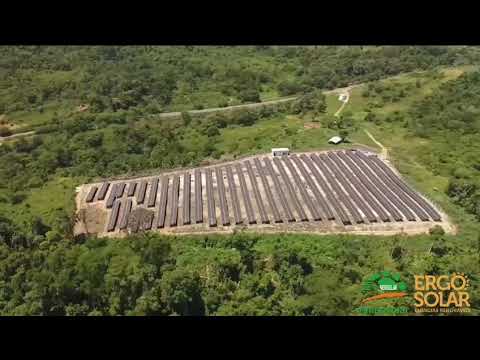
But it’s not just about having panels on rooftops. There are solar farms, too. These massive setups have thousands of solar panels spread over large areas. They collect tons of sunshine and send that electricity into the grid for everyone to use.
One thing worth noting is that solar technology isn’t perfect yet; it has some challenges like efficiency and storage issues. Not every day is sunny—you know what I mean? So there are batteries that store excess energy generated during sunny days for use when clouds roll in or at night.
So why should you care about all this? Because investing in solar energy means investing in a sustainable future! Imagine cities running mostly on sunshine instead of polluting fuels—sounds dreamy! And while there’s still work to be done to improve technology and accessibility, every little step counts toward creating a cleaner planet.
To wrap this up: making use of sunlight has its hurdles but also incredible potential. By understanding how solar energy works through photovoltaic systems, we can unlock cleaner ways to power our lives and tackle global warming one panel at a time!
So next time you’re out enjoying some sunshine… think about all that potential just waiting to be harnessed!
So, you know that feeling when you step outside on a sunny day and just soak up the warmth? It’s like nature giving you a big hug. Now, imagine if we could harness all that sunlight, not just for a nice day out, but to power our homes, schools, and businesses. That’s basically what photovoltaic energy is all about.
Photovoltaic energy comes from solar panels. These nifty things convert sunlight directly into electricity using something called the photovoltaic effect. Sounds fancy, huh? But it’s pretty straightforward. When sunlight hits these panels, it knocks electrons loose from atoms, creating an electric current—voila! Instant power for your gadgets and appliances.
I remember my first encounter with solar panels. I was visiting my grandparents’ rural home one summer. They had recently installed some solar panels on their roof to cut down on electricity bills and help the planet a bit. Seeing those shiny panels made me think about how much power lies in the sun’s rays—like we have this giant nuclear reactor in the sky that we’re barely tapping into! It’s both exciting and a little frustrating to realize how much we’ve relied on traditional fossil fuels instead.
But there are challenges too. Not every place gets tons of sunshine—some people might only see sunshine in fits and starts throughout the year. Plus, some folks are still concerned about how long it takes to set up those solar systems or the initial costs involved. That can be a barrier for many families or communities who want to make the jump to cleaner energy.
Still, many countries are waking up to these possibilities—making investments in solar farms or even encouraging homeowners to install their own systems. And let’s not forget the huge strides being made in technology! Solar panels are getting more efficient and cheaper all the time; it’s like watching a cool tech evolution unfold right before our eyes.
Looking ahead at our sustainable tomorrow is where it gets really interesting, though. Think about potential advancements like building-integrated photovoltaics (BIPV), where solar cells are integrated directly into building materials like windows or roofs! Imagine living in an apartment where every surface catches sunbeams to keep your lights on—that’s pretty mind-blowing!
So yeah, while we’re still navigating challenges around distribution and efficiency and battling misinformation about renewable energy sources, there’s definitely light at the end of the tunnel—or should I say sunbeam? Embracing photovoltaic energy feels like stepping toward a brighter future for ourselves and generations to come. Let’s keep pushing forward because harnessing that free energy from above could change everything!