So, picture this: you’re at a party, right? Everyone’s mingling, and some dude starts talking about genes. At first you think, “Yawn!” But then he mentions the Pik3ca gene. Suddenly it’s like a light bulb goes off!
You see, this little gene is kinda like a superhero in the world of cancer research. Seriously! It doesn’t wear a cape or anything, but it plays a huge role in how some cancers grow and spread.
Now, I know what you’re thinking. What’s the big deal about genes anyway? Well, hang tight, because this one is shaking things up in research circles. And when it comes to fighting cancer? That’s pretty exciting stuff!
Advancements in PIK3CA Targeted Therapies for Colon Cancer Treatment: A Scientific Overview
Alright, so let’s chat about this gene called PIK3CA and its connection to colon cancer. PIK3CA is like a tiny instruction manual in your cells. It tells them how to grow, divide, and survive. But sometimes, things go wrong. Mutations in the PIK3CA gene can lead to uncontrolled cell growth—basically, that’s cancer.
Now, what’s super interesting is that researchers have been working hard on targeted therapies focusing on this gene. Targeted therapies are like those precision tools you see in action movies; they’re designed to hit a specific target without messing up everything else around it.
So how does this work? Well, if doctors know there’s a mutation in PIK3CA, they can use drugs that specifically attack cancer cells with that change while sparing healthy cells. This is huge because it can mean fewer side effects compared to traditional chemotherapy!
Recent advancements have led to the development of several promising treatments:
- Therapeutic agents: Drugs like alpelisib are specifically designed for tumors with PIK3CA mutations. They inhibit the pathway the mutation uses to keep growing.
- Combination therapies: Sometimes doctors mix these drugs with others. For example, pairing a PIK3CA inhibitor with chemotherapy might hit the tumor harder and improve outcomes.
- Clinical trials: Ongoing studies are testing these approaches on real patients to see how well they work and what side effects pop up.
You might remember hearing about someone battling colon cancer who seemed really brave or even inspiring; maybe it was a family member or a friend. Each advancement we make in understanding genes like PIK3CA brings us closer to more effective treatments for those people.
The ultimate goal? To turn colon cancer from being a life-altering diagnosis into something much more manageable—like a chronic condition instead of an acute crisis. That means research isn’t just numbers and labs; it’s about real lives changing for the better.
A lot of excitement is building around therapies targeting mutations in PIK3CA. As scientists keep digging deeper into this gene’s role in cancer progression, we can expect more breakthroughs down the road!
Kinda gives you hope, doesn’t it? With every new finding, we’re unlocking doors that were once thought closed tight! It’s an amazing time for cancer research and treatment options out there.
Advancements in Targeted Therapies for PIK3CA Mutation-Driven Breast Cancer: A Comprehensive Review
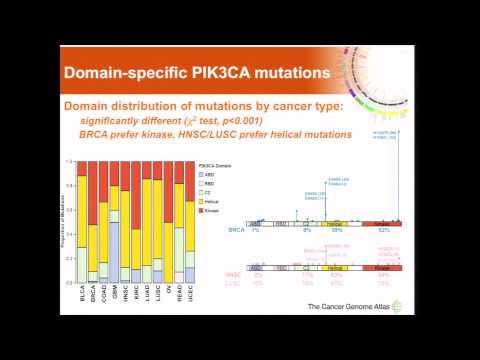
Alright, let’s get straight into it and break down this whole PIK3CA mutation and targeted therapies thing. So, the PIK3CA gene plays a pretty big role in breast cancer. What’s interesting is that mutations in this gene are linked to how some types of breast cancer grow and spread. It’s like having the wrong instructions in a recipe—you don’t get the dish you want!
Now, when we’re talking about these mutations, we’re looking at ways to specifically target them with therapies. That’s where targeted therapies come into play. These treatments are designed to hone in on those specific genetic changes without harming healthy cells much, which is something traditional chemotherapy often struggles with.
So what happens is that with drugs aimed at PIK3CA mutations, doctors can help improve outcomes for patients whose cancers express these alterations. You see, if you’ve got a mutation in PIK3CA, it’s almost like waving a flag saying “Hey! I need special treatment over here!”
Let me throw out some key points:
- Mechanism of action: Targeted therapies for PIK3CA mutations work by blocking pathways that cancer cells use to survive and multiply. Think of it as cutting off the fuel supply to a fire.
- Types of drugs: Some examples include alpelisib, which has shown promise in clinical trials. It specifically inhibits the PI3K pathway that becomes overactive due to PIK3CA mutations.
- Combination therapies: Often, these drugs are used alongside other treatments to boost effectiveness—kind of like teaming up superheroes to take down a villain!
- Response rates: Patients with PIK3CA mutations have shown improved response rates compared to those who don’t have these changes. This is seriously hopeful stuff.
But here’s where it gets even more interesting: not every patient responds the same way to these treatments. It’s like everyone has their own unique flavor when it comes to how they react based on their genetic makeup and even other factors like overall health.
I remember chatting with a friend whose mom went through treatment for breast cancer driven by a PIK3CA mutation. At first, they were all stressed out about what her options were because so many treatments just felt so harsh or ineffective—but then they found out about targeted therapies! They saw real results; it was such a relief for them.
And speaking of relief—researchers are constantly working on advancements here. There are ongoing studies looking at new combinations and different targets within the PI3K pathway itself, too! These innovations could lead us toward better strategies and outcomes for patients down the line.
So yeah, while there’s still so much more to learn about how exactly these targeted therapies work and who will benefit most from them, what we’ve seen so far gives us hope. The future looks brighter as scientists keep peeling back layers on how we can tackle breast cancer more effectively—especially for folks dealing with those pesky PIK3CA mutations!
Exploring the Impact of PIK3CA Mutations on Colon Cancer Treatment Efficacy with Aspirin: A Scientific Review
When diving into the world of colon cancer, the PIK3CA gene is a big player. Mutations in this gene can really shake things up. Basically, PIK3CA is all about cell growth and survival, so when it mutates, it can lead to uncontrolled cell division. This is where things get tricky for treatment!
Now, aspirin might not be the first thing that pops into your head when thinking about cancer treatment. But recent studies have suggested that it could actually help improve outcomes for patients with certain mutations in their cancers. With PIK3CA mutations specifically, there could be some interesting interactions with how aspirin works in the body.
- Anti-inflammatory Effects: Aspirin is known for its ability to reduce inflammation. Since chronic inflammation can fuel cancer progression, this effect might help slow down or even stop some tumors from growing further.
- Interactions with Pathways: The PIK3CA mutation affects specific signaling pathways in our cells that control growth and survival. Aspirin might influence these pathways somehow, but researchers are still piecing together how exactly that works.
- Treatment Efficacy: Some studies suggest that colon cancer patients with PIK3CA mutations might respond better to aspirin-based therapies than those without these mutations. It’s like finding a key that unlocks a treasure chest—if we can understand why this works, we could tailor treatments more effectively.
I remember reading about a patient named Mark who struggled with colon cancer for years. His doctors finally discovered he had a PIK3CA mutation and discussed the possibility of incorporating aspirin into his treatment plan alongside traditional therapies. They weren’t sure if it would work at first; it was kind of like trying to mix oil and water! But Mark was willing to give it a shot—and guess what? His response to treatment improved significantly!
This anecdote reflects something important: every patient’s experience can differ greatly based on their unique genetic makeup and treatment plan. As research unfolds, understanding the connection between PIK3CA mutations, aspirin, and other treatments will help us create more personalized approaches to tackle colon cancer.
The science here is evolving quickly! It’s crucial to stay tuned as researchers gather more data on how these mutations affect treatment efficacy in real-world scenarios. The hope is that one day, we’ll have solid strategies in place for using medications like aspirin to target specific types of tumors more effectively.
So while there’s still much to uncover about PIK3CA, its ties to colon cancer treatment with aspirin show promise—especially for those with these specific mutations. It’s a fascinating area of research that’s definitely worth keeping an eye on!
You know, when I first heard about the Pik3ca gene, I was honestly a bit lost. It sounds pretty techy and scientific, like something out of a superhero movie, right? But then, I started reading about it and realized it’s a pretty big deal in cancer research. So here’s the scoop: the Pik3ca gene is part of a pathway that helps cells grow and divide. That’s all fine when everything’s working as it should—like when you’re trying to make your new plant grow. But sometimes, things get wonky.
Imagine nurturing this little plant and one day it starts growing wildly out of control. That’s kind of like what happens when mutations occur in the Pik3ca gene. These mutations can cause cells to grow uncontrollably, which is basically what cancer is—a bunch of cells partying way too hard without any regulations!
I remember my friend’s mom who battled breast cancer for years; she always said it felt like this invisible enemy was just attacking her body without warning. Learning about genes like Pik3ca made me realize that there are these tiny things happening at the molecular level that can really mess up someone’s life. It puts things into perspective; we’re not just talking about abstract science here; we’re talking about real lives.
Recent advances in targeting the Pik3ca mutations have opened up new treatment avenues. Scientists are developing therapies that specifically target these mutated genes. It’s kind of like finding an antidote to a poison that comes from within our own bodies! This means personalized treatment plans for patients based on their specific genetic makeup.
So yeah, while I’ve spent many nights wondering about what makes my plants thrive or fail, scientists are peering into tiny bits of DNA to tackle something much bigger—cancer itself. The idea that someone somewhere might find a way to stop those genes from causing chaos brings hope not just for my friend’s mom but for countless others out there fighting similar battles.
The more we learn about genes like Pik3ca, the better equipped we become in this fight against cancer. And that’s something worth celebrating! It turns out those complex little sequences have a massive impact on our lives—even if they sound like they belong in an X-Men film!