I once watched my dog, Max, peeing on a tree like he was marking his territory in the Wild West. It got me thinking – what’s going on inside him? I mean, you don’t just pee out of thin air, right?
Kidneys are these amazing little organs that do a ton of hard work. They filter blood, balance fluids, and yeah, help with that whole peeing thing. Pretty crucial stuff!
In dogs, those kidneys are shaped kinda like kidney beans—you know, the ones you toss in chili? They’re small but mighty! So let’s take a chill moment to peek behind the curtain and see what these little powerhouses are all about.
Get ready for an adventure through doggie anatomy. Trust me; you’ll appreciate your pup’s kidneys just a tad more after this!
Comprehensive Analysis of Canine Kidney Anatomy: A Scientific Perspective PDF
The canine kidney is a fascinating little gem of anatomy that plays a huge role in the health of our furry friends. Let’s break down what makes these organs tick.
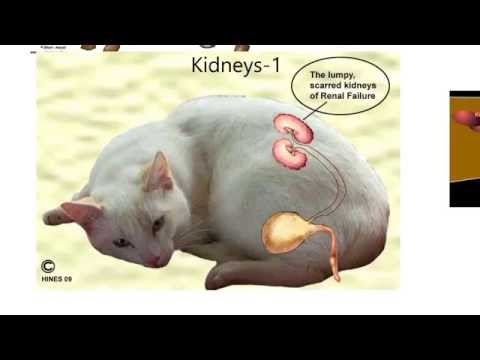
First off, each dog has **two kidneys**, just like humans! They’re shaped a bit like kidney beans, which, fun fact, is where they get their name from. These organs hang out near the lower back, nestled against the spine. Pretty snug, right?
Now, let’s talk about size. On average, those kidneys are about 4–5 inches long in medium-sized dogs. But remember: size can vary quite a bit depending on the breed. Larger breeds might have larger kidneys, which kind of makes sense since they have more body to take care of!
Inside each kidney is a complex structure that deserves some attention. The kidney is made up of tiny functional units called **nephrons**—imagine them as little factories doing all the important work! Each dog kidney has around ***700,000 to 1 million nephrons***. These guys filter blood and make sure waste products are kicked out and balanced with essential nutrients.
Here’s something to think about: When your dog drinks water or eats food, it’s not just going through their stomach and intestines; it goes on quite an adventure into their bloodstream before it gets filtered by those nephrons.
Now onto urine production—this process involves three crucial steps: filtration, reabsorption, and secretion.
– During **filtration**, blood enters the nephron and gets filtered through tiny structures called **glomeruli**.
– Next up is **reabsorption**, where essential substances like glucose and certain ions get pulled back into the bloodstream.
– Finally comes **secretion**, which takes any leftover toxins or excess substances and dumps them back into the urine for elimination.
This whole thing is super important because it helps maintain your pup’s electrolyte balance and eliminates waste effectively.
Another interesting tidbit? The kidney also plays a role in regulation of blood pressure through something called the *renin-angiotensin system*. If your dog’s blood pressure drops too low, their kidneys can release renin to help bring it back up! It’s like they’re keeping an eye on things even when you’re not looking.
So now you might be wondering how we can keep those vital organs healthy? Well, one key factor is hydration! Dogs need plenty of water to keep everything running smoothly in their bodies—kind of like how we need our morning coffee to get going sometimes!
You see all these details show just how mighty those little beans really are when you look closer at them! Knowing more about canine kidney anatomy gives us insight into why keeping our pets healthy is so important. There’s so much going on inside those cute bodies!
So there you have it—an informal peek into canine kidney anatomy without getting lost in complicated words or concepts! Pretty neat stuff for such small organs!
Understanding Dog Anatomy: The Location and Function of Canine Kidneys in Veterinary Science
Understanding the anatomy of your furry friend’s kidneys can be pretty interesting! These little bean-shaped organs do much more than you might think. Let’s break it down a bit.
Location of Canine Kidneys
First off, let’s talk location. In dogs, the kidneys are situated in the abdominal cavity, specifically towards the back near the spine. You’ll find them on either side of the spine, just under the rib cage. They’re pretty well-protected but still notably active. If you ever feel around your dog’s belly and notice something firm, it could be a kidney—although you might need a vet to really pinpoint it!
Function of Canine Kidneys
Now, about what these organs actually do: their main job is to filter blood and produce urine. Sounds simple enough, right? But there’s so much going on behind the scenes! Here are some key functions:
- Waste Removal: They take out waste products like urea and creatinine from your dog’s blood.
- Water Regulation: Ever notice how your pup might drink more on hot days? The kidneys help maintain hydration by adjusting how much water gets filtered out.
- Electrolyte Balance: Think sodium and potassium—these are essential for many bodily functions, and kidneys help balance them.
- Blood Pressure Control: They produce a hormone called renin that helps regulate blood pressure. Wild, right?
The Importance in Veterinary Science
Understanding where these kidneys are and what they do is super important for vet science too. When vets examine a dog or run tests, knowing kidney function can lead to better treatment options if something goes wrong.
For example, conditions like kidney disease can be pretty common as dogs age. If a dog is drinking excessively or urinating more than usual, that could signal an issue with their kidneys.
Just imagine being at home with your dog curled up next to you. All those little processes happening inside them keep them healthy and happy! So caring for those kidneys by providing good food, clean water, and regular vet check-ups can make all the difference in giving your furry friend a long life.
In short, understanding canine kidney anatomy gives us insight into how we can take better care of our pets and keep them feeling their best. Isn’t it amazing how much we rely on these little organs?
Understanding Canine Kidney Anatomy Through Ultrasound Imaging: A Comprehensive Guide for Veterinary Science
- Canine Kidney Basics: The kidneys in dogs are vital organs, responsible for filtering waste from the blood and regulating water balance. Each dog has two kidneys, usually located just below the rib cage on each side of the spine. They’re shaped kind of like kidney beans, which is where they get their name from, you know?
- Anatomy Overview: If you look at a dog’s kidney under ultrasound, you’ll notice several key structures. There’s the renal cortex, which is the outer layer where filtering occurs. Then there’s the renal medulla, which is more towards the center and contains ducts that collect urine. Finally, at the core is the renal pelvis, collecting urine before it heads to the bladder.
- Ultrasound Imaging: Ultrasound uses sound waves to create images of organs inside a body. For dogs, this non-invasive method allows veterinarians to assess kidney size and shape while identifying any abnormalities like cysts or stones without needing surgery. It’s super handy.
- Interpretation of Images: When looking at ultrasound images of canine kidneys, you can spot a few things that stand out. Healthy kidneys generally appear smooth with clear outlines. If something looks lumpy or irregular, it might suggest issues like inflammation or infection.
- Clinical Significance: Understanding kidney anatomy through ultrasound is crucial for diagnosing conditions like acute kidney injury or chronic kidney disease in dogs. These ailments can be tricky to spot early without imaging tools because they often don’t show obvious symptoms until they get severe.
- Anecdote Time!: I remember working with a vet who had an old golden retriever come in with severe lethargy and loss of appetite. They did an ultrasound and found out it had developed some nasty kidney stones! It was such a relief when they figured it out since treatment could start right away.
- Caution When Interpreting: While ultrasounds are helpful, they’re not foolproof! Results need to be interpreted by knowledgeable veterinarians who understand both normal anatomy and variations that can occur in different breeds.
- The Future of Veterinary Care: As technology advances, ultrasound imaging will get even better! Who knows? Maybe one day we’ll be able to do ultrasounds at home for our pets—and catch those pesky health issues before they spiral out of control!
So basically, understanding canine kidney anatomy through ultrasound isn’t just fascinating; it’s vital for keeping our furry friends healthy! Keeping an eye on those little beans can make all the difference in their quality of life!
So, the canine kidney, huh? It’s pretty amazing when you start to think about it! I mean, these little bean-shaped organs are like the unsung heroes of your dog’s body. They do so much more than just, you know, help with pee production.
Picture this: a rainy day at home, and your dog is curled up next to you. You’re both chilling out while they occasionally glance at you with those big eyes. That moment always makes me appreciate how much our furry friends depend on us for their health and happiness. Part of that responsibility means understanding what goes on inside them—like in their kidneys.
The basics are that each kidney has a structure made up of tiny units called nephrons—billions of ’em! These nephrons filter out waste from the blood and keep the good stuff in. Can you imagine all that work happening right under that fluffy coat? It’s like having mini-factories constantly operating without a break. And the cool thing? The kidneys also help maintain fluid balance and produce hormones that regulate blood pressure and red blood cell production.
But here’s the kicker: dogs have some unique differences in their kidney structure compared to humans. For instance, a canine’s kidneys can adapt more easily to fluctuations in hydration levels because they often encounter wild situations—like sudden access to a water source or going without water during long adventures outside. It kinda makes sense when you consider how active dogs can be!
You know what gets me thinking too? Kidneys sometimes get overlooked until there’s an issue. I had a friend whose dog developed kidney disease, and it was heartbreaking for her to see him struggle with something she couldn’t control. That experience stuck with me because it reminded me how important it is to learn about our pets’ health.
So yeah, understanding the anatomy of the canine kidney isn’t just for science nerds; it’s essential for taking care of our best buddies! When we know what’s going on inside them, we can notice signs if something’s not right sooner rather than later. And really, who wouldn’t want to ensure their four-legged pals have happy and healthy lives?