So, picture this: you’re chilling at the park, and your dog, let’s call him Max, suddenly takes off like a rocket after a squirrel. You watch in awe as he zigzags around like a furry little ninja. But have you ever thought about what keeps Max’s insides all protected while he’s living his best life?
Enter the rib cage! Yep, those bones are more than just a shield for his lungs and heart—they’re pretty much a work of art. Seriously, it’s wild how nature designed these pups to be both flexible and sturdy.
You might not think about it every day, but understanding how your dog’s rib cage works can actually give you insight into their health and happiness. So grab a treat for your buddy and let’s break down this canine anatomy thing together!
Exploring Canine Rib Cage Anatomy: A Comprehensive PDF Guide from a Scientific Perspective
When you think about a dog’s rib cage, it’s easy to overlook just how important it is. Picture your furry friend running around, barking happily, maybe even rolling in the grass. Underneath all that fur and cuteness lies a fascinating structure that does way more than just protect vital organs.
The canine rib cage is primarily made up of ribs, which are bones that form a protective enclosure around the heart and lungs. These ribs are attached to the spine at the back and curve around to connect at the sternum, or breastbone, in front. This whole setup helps keep those crucial organs safe while allowing for flexibility and movement. You get it?
Rib Structure: Usually, dogs have a total of 13 pairs of ribs. Each rib has a head that connects to the vertebrae and a body that extends towards the sternum. The first few pairs are called “true ribs” because they connect directly to the sternum. As you go further down, you’ll find “false ribs” that connect indirectly or not at all.
Now, let’s talk about some key functions:
And here’s something interesting: dog breeds can vary significantly in rib cage shape and size! For example, Greyhounds have long and narrow rib cages, while bulldogs often have broader chests. This difference affects everything from their running speed to how easily they breed.
But wait! There’s also something called “rib structure diseases,” which could affect your pup’s health. Conditions like scoliosis, where the spine curves abnormally, can lead to issues with how those ribs protect organs or even how well they can breathe.
I remember when my neighbor’s dog got into a scrap with another pooch at the park. I watched in horror as he tumbled over but luckily seemed okay afterward—his robust rib cage held strong! It really made me appreciate how essential this bony structure is.
In summarizing this exploration into canine anatomy: understanding your dog’s rib cage not only enriches your knowledge but also helps you spot any potential health issues down the line. So next time you’re cuddling with your pup on the couch or playing fetch at the park, give a little thought to those important bones keeping them safe!
Understanding Dog Rib Cage Lumps: Causes, Diagnosis, and Treatment in Veterinary Science
Well, let’s talk about those lumps you might find on your dog’s rib cage. It can be a little nerve-wracking when you notice something unusual on your furry friend. But understanding what they might be can help you keep your pup healthy and happy.
First off, **dog rib cage anatomy** is pretty cool. The rib cage protects vital organs like the heart and lungs while providing structure to their torso. When you feel lumps in this area, it could mean several things.
Causes of Rib Cage Lumps
Now, let’s break down the possible causes of these lumps:
- Fatty tumors: These are usually benign and made up of fat tissue. They can pop up anywhere, not just the ribs.
- Abscesses: If your dog got into a scrap or has an infection, this could lead to pus-filled lumps.
- Cysts: These fluid-filled sacs can form under the skin for various reasons.
- Tumors: Cancerous or non-cancerous tumors could also be lurking in that area.
Feeling this pressure or bump might upset you; I get it! I remember a friend whose dog had a lump on its side—they panicked at first! But after seeing a vet, it turned out to be nothing serious. Still, having it checked out gave them peace of mind.
Diagnosis
When it comes to diagnosis, vets have several tricks up their sleeves:
- Physical examination: Your vet will palpate the lump to get an idea of what they’re dealing with.
- X-rays: These help visualize what’s happening beneath the surface. Some tumors may show up here.
- Biospy: If necessary, taking a small sample can clarify whether it’s benign or malignant.
Each method offers important clues about what exactly those lumps might be.
Treatment Options
So what about treatment? Well, that really depends on what the diagnosis reveals:
- Surgery: Sometimes lumps need to come out if they’re problematic or suspected to be cancerous.
- Meds: Your vet may prescribe antibiotics for infections or other medications based on specific conditions.
- No treatment: If it’s benign and not causing any issues, your vet might recommend leaving it alone!
It’s kind of like maintaining your car—sometimes you fix what’s broken; sometimes you just need to keep an eye on things!
Understanding dog rib cage lumps takes some effort but knowing what’s going on is half the battle. Regular check-ups are key! Our furry friends can’t speak up when something doesn’t feel right, so being observant and proactive is essential. Keep those pets safe and healthy!
Understanding Human Anatomy: The Count and Function of Ribs in the Human Body
Sure! Let’s chat about ribs. They’re pretty interesting, right?
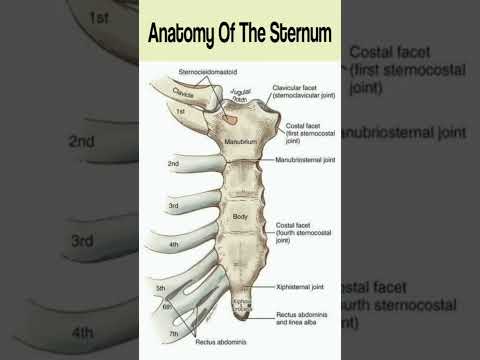
First off, humans have 24 ribs in total, arranged in pairs. That’s 12 on the left and 12 on the right. These bad boys are a crucial part of our anatomy. They form a protective cage around our vital organs, like the heart and lungs, keeping them safe from harm. Think about it—a little bump or fall could do some serious damage without those ribs around!
Now, let’s break this down a bit more. The ribs are categorized into three main types:
- True Ribs: The first seven pairs of ribs are known as true ribs. They connect directly to the sternum (your breastbone) through costal cartilage.
- False Ribs: Ribs eight through ten are called false ribs because they don’t connect directly to the sternum. Instead, they share a connection through the cartilage of rib seven.
- Floating Ribs: The last two pairs (ribs eleven and twelve) are floating ribs since they don’t attach to the sternum at all. They’re kind of free-spirited!
Each rib has a head that connects to your spine at the back and curves around to join at the front with either cartilage or the sternum itself. This design allows for some flexibility while still being strong enough to protect your organs.
So why do we have so many? Well, it’s all about protection and support. The rib cage doesn’t just shield your heart and lungs; it also gives structure to your chest area, allowing muscles to attach and support breathing movements.
Speaking of breathing—let’s get into that for a sec! When you inhale, your diaphragm contracts and moves down while your intercostal muscles (the ones between your ribs) pull them outward. This opens up space for your lungs to expand and fill with air. When you exhale, everything goes back like magic! Seriously cool when you think about it!
Now here’s an emotional tidbit: I once read about this kid who had been into sports his whole life but ended up with a rib injury playing soccer. It made me understand just how essential those bones are—not just for protection but also for everything we love doing!
In summary, human anatomy is well thought out when it comes to protecting our vital organs while allowing us to breathe easily. Plus, with those different types of ribs working together seamlessly—it’s quite incredible how evolution shaped us over time! So next time you take a deep breath or feel that rib cage expand when you laugh or run? Just appreciate what’s hiding beneath the surface—our amazing anatomy at work!
You know, when you think about dogs, you might picture their floppy ears, wagging tails, or just how excited they get for a walk. But have you ever thought about what’s going on inside their bodies? I mean, they’re not just cuddly furballs; there’s some serious science happening under all that fluff. Let’s chat a bit about canine rib cage anatomy because, let’s face it, it’s pretty cool.
So, the rib cage in dogs is this amazing structure that protects vital organs like the heart and lungs. It consists of several ribs—like 13 pairs on average—connected to the spine at the back and to the sternum at the front. Picture it like a sturdy shield! That whole arrangement keeps everything safe while allowing those little athletes to run like the wind. Seriously, have you seen a dog sprint? It’s like they were born for it!
Now, I remember one time at the park with my buddy’s golden retriever named Max. He was chasing after a ball and just before he pounced, he took this wild leap and landed all wrong. My heart raced because I thought he might’ve done something serious! Thankfully, he got up wagging his tail as if nothing happened. It got me thinking about how tough these animals are and how vital their rib cages are in keeping them safe during their playful antics.
But aside from being tough, did you know the shape of a dog’s rib cage can tell you a lot about its overall health? A well-rounded thorax usually means good breathing capacity which is crucial for active pups. If you’re looking at breeds like bulldogs with their broad chests versus greyhounds who are long and lean—it impacts how they function too! The variation in sizes and shapes reflects their adaptability across different activities.
One more thing: ribs aren’t just for protection; they play a role in respiration too! They expand and contract as your dog breathes in and out. Pretty neat if you think about it! It shows that anatomy isn’t just static; it’s dynamic and constantly working behind the scenes.
Anyway, next time you’re hanging out with your furry friend or watching them zoom around your yard, take a moment to appreciate all that essential anatomy hidden beneath their adorable exterior. Who knew ribs could be so fascinating?