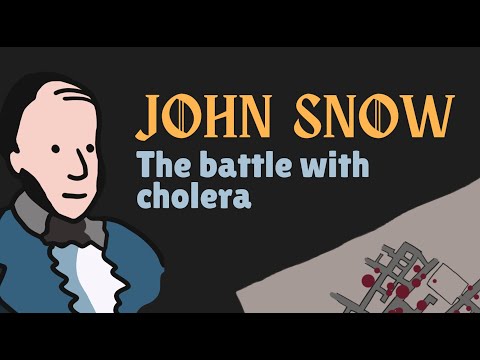
So, picture this: it’s the mid-1800s in London, and the streets are basically a science experiment gone wrong. People are dealing with all kinds of nasty stuff, like cholera outbreaks and, you know, mountains of trash just chilling on every corner. Gross, right?
Then comes along this guy named Edwin Chadwick. He’s like a detective but for public health—or something like that. He digs deep into why people are falling sick left and right. And guess what? He figures out that clean water and sanitation might be the heroes we need!
Fast forward a bit and boom! The Public Health Act of 1848 drops. This wasn’t just some bureaucratic mumbo jumbo; it was a game-changer for health as we know it! It kicked off a wave of scientific thinking that shaped healthcare in ways we’re still feeling today.
Isn’t it wild to think how one act could spark changes that affect millions? Seriously, let’s chat about the impact this had on public health down the line!
The Impact of Germ Theory on the Evolution of Public Health Practices
The idea of germs causing disease was a game changer, seriously. Before germ theory became popular, people had all sorts of wild ideas about what made us sick. You know, things like bad air or an imbalance of bodily humors. But then came along folks like Louis Pasteur and Robert Koch in the 19th century, and everything started to shift.
With germ theory gaining traction, public health practices began evolving pretty rapidly. One major milestone was the **Public Health Act of 1848** in England. This act really aimed to tackle sanitary conditions in cities where diseases like cholera were running rampant. It recognized that a lot of illness was linked to unsanitary living conditions—like dirty water or crowded areas.
So you might wonder, how did germ theory actually change public health? Well, let’s break it down:
- Focus on Cleanliness: The understanding that germs were everywhere led to a push for cleanliness in homes and public spaces. Suddenly, soap wasn’t just a luxury; it became essential.
- Safe Water Supply: People realized that contaminated water spread diseases. This prompted cities to build cleaner water systems and improve sanitation practices.
- Quarantine Measures: When outbreaks occurred, public health officials could use quarantine more effectively because they knew germs were the culprits. This saved countless lives!
- Vaccination Efforts: Germ theory paved the way for vaccines—one of the most effective ways to prevent disease today! Think smallpox and polio; these diseases saw massive decline thanks to vaccines.
You know what’s interesting? The Public Health Act didn’t create immediate change overnight—it took time for folks to fully grasp these concepts and implement new practices consistently. But once they did, we saw huge improvements in life expectancy and overall health.
Germ theory also influenced how healthcare professionals viewed their role in society. They didn’t just focus on treating illnesses anymore but also on preventing them by promoting good hygiene and sanitation practices.
Looking back at those days feels surreal sometimes. Imagine people realizing that washing hands could literally save lives! It kind of feels like a no-brainer now but back then it was revolutionary thinking!
Anyway, that’s really the crux of how germ theory reshaped public health practices over time. It sparked changes that laid the groundwork for modern medicine as we know it today!
The Lasting Legacy of Edwin Chadwick: Pioneering Public Health and Its Impact on Modern Science
So, let’s talk about Edwin Chadwick. You know, he’s like this unsung hero of public health from the 19th century. Think of him as a kind of detective, but instead of solving crimes, he was out to figure out why people were getting sick all the time. His work really set the stage for public health as we know it today.
Chadwick is best known for his role in the Public Health Act of 1848. This was a big deal because it laid down some essential rules for improving sanitary conditions in cities. Back then, the streets were dirty, sewage was everywhere, and people were dealing with outbreaks of cholera and other diseases like they were going out of style. Basically, Chadwick saw that if you wanted to keep people healthy, you needed to clean up the environment.
He believed that poor sanitation was directly linked to disease. Can you imagine living in a place where you had no clean water? Yikes! He pushed for things like better drainage systems and clean water supplies. His report on sanitary conditions in towns was eye-opening—it showed how class disparities played into who got sick and who didn’t. If you lived in a wealthy area, chances were you’d be much healthier than someone in a slum.
Here are some key points about Chadwick’s impact:
- Sanitary Reform: His work led to better waste management practices.
- Public Awareness: He raised awareness about hygiene and health among average folks.
- Modern Public Health Policy: The Act influenced future legislation on health and safety standards.
You see how his findings brought science into public policy? It wasn’t just about knowing what made people sick; it was about doing something to fix it! Before this act, health issues weren’t seen as something society should tackle collectively. But Chadwick changed that perspective.
The ripple effects of what he did are still with us today. Think about it: modern public health involves scientific research coupled with government regulation—like ensuring that food is safe or monitoring air quality. All these efforts owe some credit to Chadwick’s groundbreaking work.
Now fast forward to today—it’s kinda incredible how what started back then has transformed into our current systems of monitoring diseases and maintaining hygiene standards across the globe! We’ve come so far thanks to guys like him who dared to look at problems differently.
In short, Edwin Chadwick didn’t just make noise; he created a lasting legacy that shaped how we approach public health even now! His commitment to improving sanitary conditions laid the groundwork for many practices we take for granted today—like those regular inspections at restaurants or clean drinking water regulations.
So next time you drink from a tap or see your local sanitation workers at work, remember Edwin Chadwick—the guy who made all that possible through determination and innovation! What an impact he had on society!
Examining the Introduction of the 1848 Public Health Act: Addressing the Social Costs of 19th Century Industrialization
The 1848 Public Health Act was a pretty significant moment in British history. It came at a time when industrialization was changing everything—from the way people worked to where they lived. You know, cities were growing super fast. People flocked to urban areas looking for jobs in factories, but this rapid growth brought along some serious problems.
So, what were these issues? Well, think about it: overcrowded housing, poor sanitation, and a lack of clean drinking water. Can you imagine living in cramped conditions where disease could spread like wildfire? That’s exactly what many workers faced back then. Cholera epidemics were devastating communities. It seemed like people were just waiting for the next outbreak to hit.
In response to these dire conditions, the government decided something had to change. They appointed a guy named Edwin Chadwick—he was kind of a big deal back then—to investigate public health issues. His reports painted a grim picture of urban life and highlighted that the socioeconomic factors around industrialization were making people sick.
Chadwick argued that if you improved sanitary conditions, you’d see a decrease in disease rates and actually save money on healthcare costs! Sounds logical, right? Basically, he said: “Investing in public health is good for everyone.”
The result was the Public Health Act of 1848. This law set up local boards of health that could oversee sanitation measures like proper waste disposal and access to clean water sources. It wasn’t perfect; there wasn’t enough funding or enforcement at first, but it started shifting attitudes about public health responsibility.
Think about this: before this act, healthcare was mostly an individual issue—if you got sick, well that was your problem! But with this new perspective from the act—and later reforms—people began to realize that health really is affected by social factors.
Fast forward into the future: The legacy of the 1848 act laid down groundwork for modern public health policies we see today. Social determinants of health are now recognized globally as crucial parts of medical research and community planning.
In summary, while industrialization brought lots of opportunities for growth and jobs in 19th-century Britain, it also created huge social costs—especially regarding public health. The introduction of the Public Health Act tackled some immediate problems but also opened doors for future improvements in health standards that we still benefit from today. Just goes to show how interconnected our society really is!
So, let’s talk about the Public Health Act of 1848. It’s one of those things that, at first glance, might not sound super thrilling, but—trust me—it has a fascinating story behind it. Imagine London back then: filthy streets, overflowing sewers, and water sources contaminated with who knows what. It was a hot mess! People were getting sick left and right from diseases you wouldn’t even imagine today. I remember reading about how cholera outbreaks would sweep through neighborhoods like a thief in the night, leaving devastation in their wake.
Basically, public health wasn’t really on anyone’s radar until the big guys—like Edwin Chadwick—came along. He was this passionate reformer who noticed how living conditions were affecting people’s health. He linked disease to dirty water and poor sanitation. Can you believe it took so long for someone to connect those dots? But that was the reality back then.
With Chadwick leading the charge, the Public Health Act emerged as a response to these crises. It aimed to establish proper drainage systems and clean water supplies—pretty groundbreaking stuff for its time! Even though it wasn’t perfect and met plenty of resistance (people weren’t exactly ready to cough up taxes for public health initiatives), it set the stage for more comprehensive reforms.
You see, what this Act represented wasn’t just about cleaning up neighborhoods; it symbolized a shift in thinking. For the first time, health became something that society felt responsible for—not just individuals looking out for themselves. And that attitude still resonates today!
This scientific legacy opened doors to future public health legislation around the world. It laid down principles we still lean on: understanding how our environment affects health and recognizing that everyone deserves access to clean water and sanitation—pretty essential stuff if you ask me!
And think about how far we’ve come since then! The way we tackle public health issues now involves research, technology, education—the works! From vaccines to hygiene practices during pandemics like COVID-19—I mean, it all goes back in some way or another to those early lessons learned from the Public Health Act.
Reflecting on this makes you appreciate just how important it is not only to have clean streets but also vibrant conversations around public health today. After all, our well-being is connected—not just as individuals but as communities working together for a healthier future!