You know that moment when you accidentally stick two magnets together, and they just refuse to let go? It’s like they’re in a relationship that’s way too clingy. Seriously, it’s kind of hilarious how much strength they have!
But here’s the kicker: when you flip ‘em around, they’ll push away from each other like they’ve just realized they’re not meant to be. That’s the magic of repelling magnets!
It might seem like a simple trick, but these little guys have some seriously cool science behind them. And guess what? They’re not just for your fridge or those fun science kits — they’ve got real-world applications that can blow your mind! So come on, let’s unravel this magnet mystery together!
Exploring the Intersection of Faith and Science: Biblical Perspectives on Magnets
So, let’s talk about magnets. You know those cool things that stick to your fridge? They’re not just for holding up your kid’s art! Magnets have some pretty fascinating science behind them, and surprisingly, they can even tie into biblical perspectives in a unique way.
Magnets and Their Science
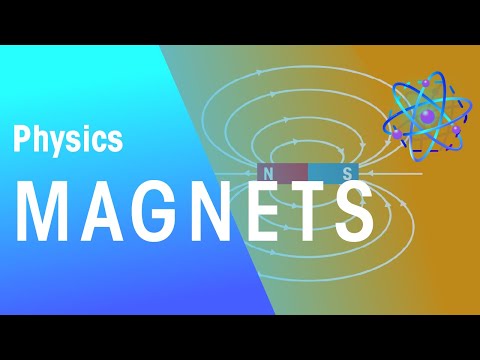
At the core of magnets is something called magnetism, which is a force that attracts or repels certain materials. Basically, every magnet has two poles: north and south. When you bring two magnets close together, like poles repel each other while opposite poles attract. You can think of it like people at a party; some just vibe together while others would rather keep their distance!
Now, when we’re talking about repelling magnets, it’s all about how these magnetic fields interact with each other. If you’ve ever tried pushing two north poles together, you probably noticed they don’t want to stay close! This happens because the magnetic field lines can’t connect properly, causing that repulsive force. It’s such a simple yet powerful idea—sometimes things just don’t click!
Applications in Everyday Life
You might be wondering where this all leads. Magnets are used everywhere! From credit cards to MRI machines in hospitals—seriously! They help create images of our insides without any cuts or stitches involved. That’s quite an achievement if you ask me!
And speaking of achievements, there’s something beautiful about how science and faith can coexist here. In the Bible, creation is portrayed as an orderly process where everything has its place and function—much like how magnets work within their own laws of physics.
Biblical Perspectives on Magnets
Now comes the interesting part: when we look at scripture for insights about the natural world, we see parallels with scientific principles like magnetism. For instance, the idea that “iron sharpens iron” (Proverbs 27:17) can be likened to how magnets interact. We need each other—just like magnets need opposite poles to create balance.
Plus, there’s this notion in many faith traditions that God created everything with purpose and design. It’s kind of poetic to think about how even something as small as a magnet plays its part in the vast tapestry of creation.
So there you have it—a blend of science and faith, illustrating how magnets can serve as a reminder that everything fits together in our universe. Whether you’re using a magnet to hang up photos or reflecting on deeper truths from your favorite biblical verse, every facet connects us back to understanding more about our world—and maybe even ourselves!
Exploring the Five Key Applications of Magnets in Modern Science
So, magnets are everywhere, right? You might not think about them much, but they play a massive role in our lives. The thing about magnets is that they can either attract or repel each other. This property is super useful in a bunch of different applications in modern science. Let’s break down five key ways we use magnets today.
1. Medical Imaging
Ever heard of MRI? It stands for Magnetic Resonance Imaging, and it basically lets doctors see inside your body without surgery! The machine uses strong magnets and radio waves to create detailed images of organs and tissues. Very cool stuff! It helps diagnose everything from torn ligaments to tumors. Imagine getting a peek inside yourself like you’re some kind of superhero.
2. Data Storage
You know those tiny devices that hold tons of information? Think hard drives and even some types of flash storage. They use magnets to store data as bits, which is read by the drive’s head moving over magnetic surfaces. So when you save that photo or document, it’s actually getting tucked away in a magnetic vault until you need it again!
3. Electric Motors
Magnets are at the heart of electric motors, powering everything from cars to household appliances. They work by creating magnetic fields that interact with electric currents to produce motion. Ever marvel at how smoothly your blender whirs? That’s magnet power at work! The interaction between electricity and magnetism is what brings these everyday gadgets to life.
4. Maglev Trains
Now here’s something futuristic: maglev trains! These guys use powerful magnets to float above the tracks, eliminating friction and allowing them to travel super fast—like a real-life roller coaster on rails! This tech is already in use in places like Japan and China, zipping passengers across distances quicker than you can say “I’m late for my train!”
5. Telecommunications
You’d be surprised how much magnets help keep us connected! In your phone or computer, tiny magnets are used in speakers and microphones for sound quality—with them, conversations flow smoothly without hiccups or noise interference (thank goodness!). This connection lets us keep chatting with friends across the globe without missing a beat.
So there you have it—the wonder of magnets isn’t just for science fairs or fridge decorations; they’re integral to many aspects of modern life! From health care to high-speed travel and everything in between, these little powerhouses do a lot more than just stick things together… they literally shape our world!
Understanding Magnetism: The Science Behind Attraction and Repulsion of Magnets
Magnetism is one of those super interesting topics that, once you start digging into it, really makes you appreciate how things work in the universe. You might’ve played with magnets as a kid—remember how some stuck together while others pushed apart? Let’s explore that!
So, what is magnetism? At its core, magnetism is a force that can attract or repel certain materials, which is pretty cool if you think about it. Basically, it happens because of the motion of electric charges. All matter is made up of atoms, and inside those atoms are tiny particles called electrons. These electrons create magnetic fields as they move around.
If you take two magnets and bring them close together, each has a north pole and a south pole. The north pole of one magnet will be attracted to the south pole of another magnet. It’s like they’re best buddies! But here’s where it gets interesting: if you try to put two north poles together or two south poles together, they’ll push away from each other. This is called repulsion. You follow me?
Okay, now let’s talk about why this happens. Inside magnets are regions called magnetic domains. Think of these like tiny magnets all jumbled up inside an object. When most of these regions line up in the same direction, the whole thing acts like a magnet! If you have something non-magnetic like wood or plastic nearby, nothing much happens there—it just sits there chilling out.
But when we talk about repelling magnets—like with the same poles facing each other—that pushing away happens because the magnetic fields are in opposition. It’s kind of like when people don’t get along; they just can’t stand to be too close!
Now let’s switch gears a bit and chat about the applications. Magnets aren’t just for fridge decorations; they’re everywhere! In your phone, for example, tiny magnets help in speakers and microphones. They’re also crucial in electric motors—you know those things running your car windows up and down? Yep, thanks to magnetism.
And let’s not forget medical devices! Ever heard of MRI machines? They use really strong magnets to create images of organs inside your body. Just think—when you’re lying there getting poked and prodded by these giant machines, it’s all due to these cool invisible forces.
Sometimes I think back to my first encounter with magnets during science class. I was amazed at how simple things could create such powerful forces—it felt magical! That feeling has stuck with me ever since.
To wrap this up nicely: magnetism is all about attraction and repulsion brought on by moving electric charges within atoms. It’s how we connect everyday objects to high-tech wonders in medicine and engineering alike.
So next time you grab a magnet from your fridge for that grocery list note or feel one tugging at another across the table, remember: there’s some serious science happening right there!
Okay, let’s chat about magnets. You know those cool little things that can stick to your fridge and hold up your kids’ drawings? Well, there’s a whole science behind how they work—especially when it comes to repelling each other. It’s like magic but totally based on physics!
So here’s the deal: magnets have two poles—north and south. When you bring two magnets close together, if their opposite poles (one north and one south) meet, they stick together like best friends hugging. But if you try to connect two of the same poles, like north to north or south to south, they just push apart! It’s kinda similar to when you try to force two balloons together; they just bounce away from each other.
When I was a kid, I remember playing with magnets for hours. My friend had this super strong magnet that could pick up a bunch of paperclips at once. But when we tried to put two of the same poles together? Ugh! It was so frustrating! They literally wouldn’t even come close. That moment stuck with me because it got me thinking about how much energy is involved in these invisible forces.
Now let’s talk about applications—because this isn’t just fun and games! The science of magnetic repulsion has real-world implications. Take maglev trains, for example. They use powerful magnets to float above the tracks, allowing them to move without friction. This means faster speeds and less wear and tear on the trains themselves. Plus, no one likes being stuck in traffic, right?
And think about how we use repelling magnets in things like magnetic levitation displays or in certain types of speakers where they enhance sound by moving parts around without touching them directly.
But beyond all that techy stuff, there’s something awe-inspiring about the way nature works its wonders through simple principles like magnetism. It makes you realize that even in what seems like everyday objects—like those fridge magnets—you’re encountering some pretty complex science at play!
So next time you’re pinning up a drawing or using a magnet for something practical—take a moment, appreciate its quirky behavior and think about all those mind-boggling forces happening behind the scenes!