You know that feeling when you’re trying to slice a cake, and you just want that perfect piece? Well, in the world of DNA, restriction enzymes are like the ultimate cake knife. They cut through the genetic material with crazy precision, and it’s like magic!
Imagine tiny little scissors just roaming around inside cells, snipping away where they need to. Sounds pretty cool, huh? These enzymes are nature’s way of doing some serious editing on a molecular level.
It’s fascinating how scientists have figured out how to harness these tiny tools for all sorts of awesome things—like gene editing and even medicine. So let’s dig into this wild world of DNA cutting and see how these enzymes manage to do their thing!
Exploring the Role of Restriction Enzymes in DNA Cutting Techniques in Molecular Biology
So, restriction enzymes, huh? These little molecular scissors play a super vital role in the world of molecular biology. Basically, they’re proteins that cut DNA at specific sequences. Think of them as the ultimate precision tools for scientists messing around with genetic material.
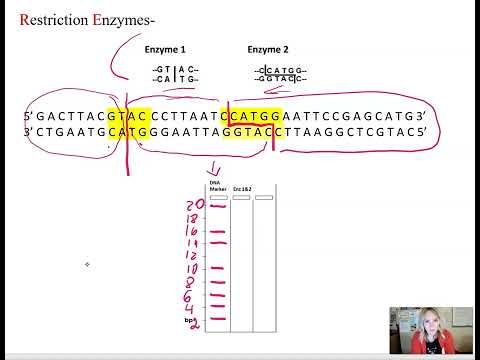
What do they do? Well, each restriction enzyme recognizes a particular sequence of nucleotides—those building blocks of DNA. Once they find their target sequence, boom! They cut the DNA strand right there. It’s like having a special key that only opens one lock.
Now, why is this important? And how do scientists use these funky cutting techniques? Let’s break it down:
- Gene Cloning: Imagine you want to clone a specific gene. You’d use a restriction enzyme to cut out that gene from a larger piece of DNA and then paste it into another organism’s DNA. Like changing the battery in your remote control—you need to open it up first!
- Creating Recombinant DNA: This is where things get super interesting! By cutting and pasting different DNA fragments, researchers can create recombinant DNA molecules. It’s like mixing and matching pieces from different Lego sets to build something entirely new!
- Genetic Fingerprinting: Ever watched those crime shows where they match DNA samples? Yep, restriction enzymes help with that too! They cut DNA into smaller fragments which can then be analyzed for variations between individuals.
- Studying Gene Function: Want to know what a certain gene does? Scientists can knock it out of an organism by cutting it out and observing how the organism behaves without it.
But here’s the thing: while these scissors are powerful tools, you have to be careful. If you don’t choose the right restriction enzyme or if you mess up your cuts, you can end up with some unintended results. It’s kind of like cooking—you follow a recipe but forget an ingredient. Oops!
One time, I was chatting with my friend who works in genetics research. He shared this story about how his team was trying to create modified bacteria using restriction enzymes but mixed up two enzymes by mistake! What should’ve been a textbook experiment turned into this wild mess of unexpected results—turns out their bacteria were glowing in the dark! Sometimes science surprises you like that.
In short, restriction enzymes are crucial for many techniques in molecular biology. They allow scientists to “cut” DNA precisely, paving the way for innovations in medicine, agriculture, and even forensic science. So next time you hear about gene editing or cloning, just remember those little enzymatic scissors making it all happen!
Troubleshooting Restriction Enzyme Activity: Common Reasons for Incomplete DNA Cutting
So, you’ve been in the lab, and you’re working with restriction enzymes to slice up some DNA. It sounds straightforward, but then you notice that your DNA isn’t cutting as it should. Bummer, right? Let’s troubleshoot this whole restriction enzyme activity thing and figure out what might be going wrong.
First off, enzyme concentration is key. If the enzyme amount is too low, it just won’t cut your DNA effectively. Think of it like having a tiny butter knife to cut a loaf of bread when you really need a big chef’s knife. Ensure that you’re using enough enzyme for your reaction. A good baseline is checking the unit size on the manufacturer’s instructions.
Then there’s reaction temperature. Enzymes are like little proteins that work best at specific temperatures. Most restriction enzymes perform their magic around 37°C (98.6°F), which is human body temperature—funny how nature works! If you’re running your reaction at a lower or higher temp than recommended, those enzymes might just be lounging around instead of doing their job.
Now let’s talk about buffer conditions. These buffers help create the right environment for the enzymes to function properly. Each enzyme has its specific buffer; not all of them can hang out in just any solution made up of random chemicals! Make sure you’re using the correct buffer as specified in the protocol and check its pH level too.
Another common hiccup could be DNA quality. If your DNA is degraded or contaminated with proteins or phenol from previous purification steps, that can mess everything up. It’s crucial to use high-quality DNA that’s clean and intact because damaged DNA can lead to incomplete digestion.
Don’t forget about incubation time. Maybe you’ve set everything up perfectly but didn’t let the reaction run long enough. Each enzyme needs a different amount of time to digest DNA effectively—anywhere from 15 minutes to several hours! So make sure you’ve given your reaction sufficient time before declaring defeat.
Sometimes, if everything else checks out but things are still not working as they should, substrate recognition can be an issue. Restriction enzymes only cut specific sequences of DNA—if your target sequence isn’t present or is altered (you know how some people try to remix classic songs?), then there will be no cuts made.
Lastly, if you’re really stuck, look for issues in contamination or inhibition. Things like salt concentrations can interfere with enzyme activity too; making sure there aren’t any inhibitors present can save you from facepalming later on!
So remember all these points next time you’re digging into some DNA cutting action: check your enzyme concentration and buffer conditions along with temperature and incubation times. With a little troubleshooting magic, you’ll have those restriction enzymes cutting away like pros!
Understanding the Functionality of Restriction Enzymes: Why They Don’t Cut Their Own DNA
Restriction enzymes, also known as restriction endonucleases, are these incredible proteins that act like tiny scissors for DNA. They can find and cut specific sequences of DNA, which makes them super important in molecular biology. But here’s the kicker—these enzymes don’t just go around cutting anything and everything up. They have a pretty neat trick: they know not to cut their own DNA. So, how do they pull that off?
First off, let’s get into how restriction enzymes work. Imagine you have a library full of books (that’s your DNA) and these enzymes are like librarians that only want to check out certain books (the specific DNA sequences). When they encounter their target sequence, they bind to it and snip it precisely. This targeted cutting is what makes them so valuable for cloning and genetic engineering.
Now, on to the juicy part! Why don’t these enzymes cut the DNA of the bacteria or organism they come from? The answer lies in a cool process called methylation. You see, many bacteria protect their own DNA by adding methyl groups to it—a simple chemical modification on certain bases of the DNA sequence.
- This methylation signals to the restriction enzyme that this piece of DNA is “self.”
- By recognizing these methylated sites, the enzyme avoids slicing up its own genetic material.
- If it didn’t have this protection mechanism, the enzyme would literally destroy its host’s genome!
The fascinating thing is that this system creates a sort of “dance” between restriction enzymes and their own bacterial DNA. Think about it—if you had superpowers but couldn’t control them at home? Total chaos! This methylation system ensures that everything stays safe.
You might be thinking about how scientists harness this ability for research later on. Well, researchers can isolate these enzymes from bacteria and use them as tools in biotech labs. With all that precision cutting going on, scientists can manipulate genes efficiently without worrying about collateral damage—like accidentally taking out an essential section of their research subject’s genome!
A classic example is when scientists use E.coli bacteria’s restriction enzymes in labs for cloning purposes. What happens is they’ll take a desired gene from one organism and insert it into plasmid DNA—a small circular piece of DNA found in bacteria—with help from those very same restriction enzymes.
So there you have it! Restriction enzymes are not just fancy scissors; they’re savvy enough not to harm their home turf thanks to clever modifications like methylation. It’s kind of poetic when you think about the balance they’ve struck with their host organisms—cutting here but never there.
Imagine you’re in a kitchen, whipping up a recipe. But instead of measuring cups, you’ve got these nifty scissors called restriction enzymes. These little guys are like precision tools for DNA, snipping at just the right spots to help scientists tinker with genetic material. Kind of cool, right?
So, here’s how it goes down: restriction enzymes find specific sequences in DNA and make cuts at those exact locations. It’s sort of like having a superpower to only slice the cake where you want without messing up the whole thing. This ability makes them invaluable for genetic engineering, cloning, or even creating genetically modified organisms.
I remember the first time I heard about these enzymes; I was sitting around a campfire with friends. Someone threw out a question about how scientists manipulate genes, and they mentioned restriction enzymes casually as if we all knew what they were talking about! I had no clue. But as the night went on, learning how genes could be cut and pasted like an arts-and-crafts project was mind-blowing.
It’s not just about cutting though—it’s what you can do afterward that gets really exciting! You can insert new pieces of DNA into that gap where the enzyme made its cut. It’s like adding chocolate chips to your cookie dough; you’re enhancing something that already exists! But let me tell you, it’s also a delicate balance. The more precise you are with those scissors—the better your result.
And sure, there are ethical debates around this kind of stuff too—like where do we draw the line? Should we be editing genes in humans? Those questions keep bouncing around science circles and beyond.
But at the end of the day, harnessing restriction enzymes opens up so many possibilities for research and medicine. New horizons could be on the way for treating diseases or improving crops—seriously crazy potential! So next time you hear someone mention “restriction enzymes,” just think about them as those little scissors helping scientists craft something fresh from old ingredients. Pretty neat if you ask me!