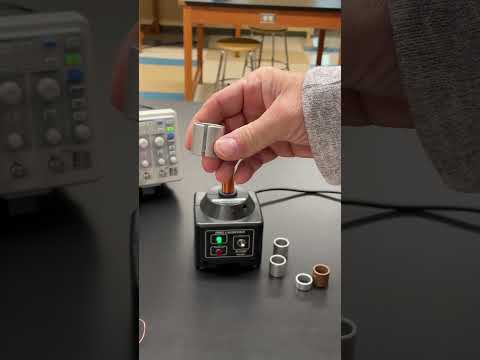
So, remember those cool science fair projects? You know, the ones where kids would make stuff buzz and light up? I had a buddy who built a ring electromagnet one year. It was awesome! He made it lift a metal car, and we were all like, “Whoa!”
Anyway, ring electromagnets are more than just fun fair projects. They’re actually crucial in modern science. Seriously! These little guys are behind so many innovations. From MRI machines to particle accelerators, they’re everywhere.
You might be wondering how a simple ring can hold such power. Well, it’s all about magnetism and electricity working together in this neat dance. It’s like they got together and said, “Let’s do something amazing!”
Stick around. There’s way more to uncover about these fascinating devices and how they help scientists explore the universe.
Exploring the Impact of Electromagnets in Modern Science and Technology
Electromagnets are super interesting, right? They play a huge role in modern science and technology. So, let’s break down what they are and their impact, especially focusing on those cool ring electromagnets.
Basically, an electromagnet is a type of magnet made by using electric current. When electricity flows through a coil of wire, it creates a magnetic field around it. This is different from regular magnets made from materials like iron or nickel that always have a magnetic field.
Now, ring electromagnets are kind of special. Imagine a donut-shaped coil. When you pass current through it, the way the magnetic field is set up can be really useful in various applications.
- Medical Imaging: One of the big winners here is in MRI machines. These use powerful ring electromagnets to create detailed images of the inside of your body. It’s wild how you can see your organs without needing surgery!
- Particle Accelerators: Electromagnets are crucial in guiding and focusing beams of particles at super high speeds. This helps scientists explore the building blocks of matter, seriously pushing our understanding of physics.
- Electric Motors: They rely on electromagnetism to work. Ring electromagnets help create rotational motion in motors used everywhere—from your fan to electric cars!
You know what’s cool? The fact that you can turn an electromagnet on and off just by controlling the electric current! That means they offer a level of flexibility that permanent magnets simply can’t match.
If you’re thinking about this in daily life, imagine how many devices use these principles without us even realizing it! From trains that float above tracks to speakers that vibrate to produce sound—yup, those nifty ring electromagnets are behind so much!
The emotional aspect here isn’t just about technology; it’s about human connection and progress. Like when I saw my friend’s face light up during an MRI scan while discovering he wasn’t hurt after all—it was relief matched with amazement at how science works so seamlessly.
The future looks bright too! As we delve deeper into materials science and quantum technologies, who knows what new applications we’ll find for these fascinating ring electromagnets? Exciting stuff ahead for sure!
In short, electrifying discoveries await us all thanks to these incredible inventions! Keep your eyes peeled for more breakthroughs—who knows where science will take us next?
Exploring the Practical Applications of Ring Magnets in Everyday Science
Alright, let’s talk about ring magnets! You might have seen them in various shapes and sizes, but they’re more than just cool little toys. They actually play a significant role in everyday science and technology. So, what’s the deal with these intriguing magnets?
First off, let’s look at what a ring magnet really is. It’s typically a cylindrical magnet that’s shaped like a doughnut. This unique shape allows it to create an especially strong magnetic field along its axis. The way these magnets are designed means they can be used in various practical applications.
You know how we often think of magnets sticking to your fridge? Well, ring magnets go far beyond that! Here are some of the interesting ways they’re used:
- Electronics: Ring magnets are commonly found in motors and generators. They help produce energy by rotating around coils of wire, which generates electricity. Ever see how your bike light works when you pedal? Yup, you guessed it – those magnets play a role!
- Magnetic Bearings: These nifty devices use ring magnets to support rotating objects without any physical contact. Imagine spinning something without friction – that’s how efficient these bearings can be! They’re used in everything from power plants to high-speed trains.
- Magnetic Therapy: While still debated among scientists, some people believe that ring magnets can help alleviate pain by influencing blood flow. You’ll find them in bracelets and other accessories marketed for this purpose.
- Speakers: Ring magnets are key components in many speakers and headphones. They work with an electric current to move the speaker cone back and forth, creating sound waves we all love.
Kinda cool, huh? But let me tell you – these applications only scratch the surface of what ring magnets can do.
An interesting point is their role in education. Teachers love using these little guys in classrooms because they can demonstrate fundamental concepts of physics and magnetism easily. When youngsters see how they interact with each other or objects around them, it brings lessons to life! I remember once seeing kids’ eyes light up when they made paper clips dance using a ring magnet; it was like magic!
The potential for innovation is huge too! Scientists are now exploring new materials for even stronger magnets to enhance technologies like MRI machines or renewable energy systems. With climate change being such a big deal today, advancements could mean more efficient energy storage or capturing wind energy better than before.
You might be wondering about their environmental impact as well—great question! Since most modern applications focus on efficiency and sustainability (like those wind turbines we just mentioned), ring magnets could help pave the way toward greener tech solutions.
A neat takeaway here is that while you might see them as simple objects, ring magnets embody some seriously complex science behind them! Who knew a tiny doughnut-shaped magnet would hold such power over our daily lives? Next time you spot one, just think about all the possibilities wrapped up inside its glossy exterior!
Exploring 5 Practical Applications of Electromagnets in Everyday Life
Alright, so let’s dig into the world of electromagnets and see how they’re seriously shaping our everyday lives. You might’ve heard about them before—they’re those cool things that use electricity to create a magnetic field. Pretty neat, huh? Let’s dive into five practical applications where you’ll find these wonders in action!
1. Electric Motors
You know those little gadgets that make your life easier, like your blender or vacuum cleaner? Yup, they work thanks to electric motors that often rely on electromagnets! Inside these motors, electromagnets spin around to create movement. The ring electromagnet, in particular, helps generate a consistent magnetic field which is key for smooth operation. Without them, we’d be stuck doing a lot more manual labor!
2. Magnetic Levitation Trains
Ever seen one of those futuristic trains that seem to float above the tracks? They use maglev technology, which stands for magnetic levitation. Electromagnets help lift and propel the train forward by creating repelling forces with magnets on the track. It’s super efficient and seriously fast! Imagine zipping around without touching the ground!
3. MRI Machines
If you’ve ever had an MRI scan—well, it was done using advanced technology involving electromagnets! MRI machines use powerful ring electromagnets to create a strong magnetic field around you. This helps them get detailed images of your organs and tissues without any radiation exposure. It’s honestly wild how a simple magnet can help doctors take a closer look inside your body.
4. Speakers and Headphones
Ever blasted your favorite song? Those sweet sounds are thanks to speakers and headphones that use electromagnetic technology. Inside each speaker is an electromagnet attached to a cone or diaphragm that moves back and forth when electricity flows through it—this creates sound waves! So next time you rock out, think about those tiny electromagnets doing their thing.
5. Data Storage Devices
Hard drives and some types of memory storage rely on tiny magnets to keep your data safe and sound. Electromagnets can change polarity very quickly to write data onto disks or store bits of information in memory chips. It’s like having little soldiers keeping track of all your favorite shows, photos, and documents—taking care of everything while you just chill!
So there you have it! From helping us whip up smoothies to letting us travel at lightning speeds or listen to our favorite jams—electromagnets are like these unsung heroes quietly working behind the scenes in our daily lives. Pretty amazing how much impact something so seemingly simple can have, right?
So, let’s chat about ring electromagnets. These nifty little devices are pretty essential in modern science, and honestly, it’s kind of wild how much they impact our lives without us even realizing it.
First off, you’ve probably seen a magnet before—a simple fridge magnet, right? Now picture that but with a twist. Ring electromagnets are like the advanced cousins of these everyday magnets. They’re shaped in a loop and can create a magnetic field when electricity flows through them. It’s kind of like flipping a switch to turn on the magic!
I remember this one time in school when we did an experiment with magnets. We built our own little generators using copper wire and some old batteries. I was amazed at how just running electricity through the wire could make the paper clips jump all over the table! That moment? Pure excitement and wonder. That’s what got me hooked on science.
Now, back to ring electromagnets—these guys have some serious applications. They’re used in everything from MRI machines to particle accelerators. Imagine an MRI machine; it uses ring electromagnets to help doctors see inside your body without any invasive stuff. Super cool, right?
Also, think about those high-speed trains you might have seen—some of them use magnetic levitation! Yup, that’s where ring electromagnets come into play again. They help lift and propel the train along its path without touching the tracks. It’s all about reducing friction and making travel faster.
But here’s the thing: while these devices are incredible tools for scientists and engineers, we still have so much to learn about magnetism itself! There are fascinating questions surrounding how magnetic fields interact with materials at different temperatures or how they might aid in creating sustainable energy solutions.
To wrap it up (not that I’m rushing), ring electromagnets remind us of how even simple concepts can lead to groundbreaking advancements when applied creatively. And who knows what other mysteries lie ahead? The world of science is constantly evolving, just like those ever-spinning electrons around a wire!