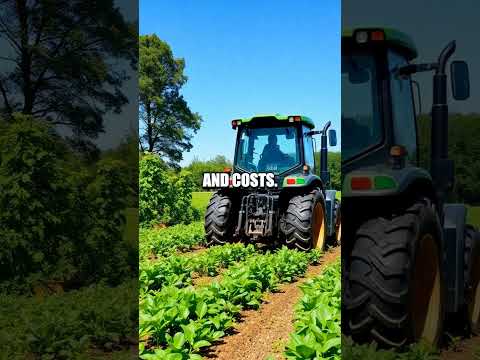
You know that moment when you see a cow and think, “Wow, that’s a pretty chill life”? Well, picture robots hanging out in fields instead of farmers, taking care of crops and livestock. Crazy, right?
Turns out, robotics is shaking things up in agriculture like never before. It’s not just about automated tractors anymore. We’re talking about smart robots doing everything from planting seeds to checking if plants are thirsty.
Imagine if your buddy had a drone that could water your plants while you binge-watch your favorite show. That’s where we’re heading! Get ready to see how these innovations are changing the game for farms everywhere.
Exploring the Role of Robotics in Modern Agriculture: Innovations and Scientific Advances
So, let’s talk about robotics in modern agriculture. You might not realize it, but these little machines are changing the game out there in the fields. Seriously, they’re like the unsung heroes of farming!
First off, the role of robotics in agriculture has grown a lot over the last few years. Farmers are always looking for ways to boost productivity and manage their resources better. And guess what? Robots can help with that! They can do everything from planting seeds to harvesting crops.
One big innovation is the use of autonomous tractors. These aren’t your average tractors; they drive themselves! Imagine a tractor beautifully plowing a field without a driver inside. This tech uses GPS and sensors to navigate while making sure it doesn’t miss a single spot or run over any crops. Pretty neat, right?
Another cool development is drones. These flying machines can survey fields from above and collect data on crop health, moisture levels, and more. Farmers get real-time information about their fields without having to stomp around everywhere. What’s even cooler is that some drones can even spray fertilizer or pesticides where needed—kind of like giving plants their own little health boost!
Then there are robotic harvesters. These robots are designed to pick fruit and vegetables swiftly and gently. For example, you know how delicate strawberries are? Well, robotic arms with sensors can carefully pick them without squishing them. It’s like having a super skilled friend do the picking for you!
And let’s not forget about precision agriculture. This approach involves using data collected by robots to make smarter decisions about what to plant and when. With everything from soil moisture levels to weather forecasts available at their fingertips (thanks to those robots), farmers can optimize yields without wasting resources.
But it’s not all sunshine and rainbows; there are challenges too! Like, how much does this technology cost? Not every farmer has deep pockets for fancy gadgets. Also, there’s always this fear of losing jobs due to automation—something worth thinking about.
In summary, robotics in agriculture is all about helping farmers work smarter rather than harder. With technologies like autonomous tractors, drones, and precision ag tools transforming traditional practices into something more efficient and sustainable—agriculture’s future looks bright!
Transforming Agriculture: The Impact of Robotics on Modern Farming Practices
So, let’s chat about how robotics is shaking things up in agriculture. You might not think about it, but farming has come a long way from just planting seeds and hoping for rain. Now we’ve got robots helping out on the field, and it’s pretty cool!
First off, imagine a field full of crops. You’ve got tractors that can drive themselves around! These smart machines are equipped with GPS and sensors that help them navigate without bumping into stuff or missing spots. They can plant seeds or spray fertilizers with pinpoint accuracy. This means less waste and more crops sprouting up where they should be.
Then there are those little robots called drones. They zip overhead taking photos of the fields from high above. It’s like having a bird’s eye view! Farmers use these images to monitor crop health, spot pests early, or see if some areas need more water. Seriously, it’s like giving farmers superpowers to keep their crops happy and healthy.
But wait—there’s more! Have you heard about robotic harvesters? They’re designed to pick fruits and veggies without squishing them. Imagine the heartbreak of picking a ripe tomato only to find it’s mushy because someone wasn’t careful enough. These robots are programmed to know when something is ripe and ready to go!
And here’s something you might find interesting: robotic systems can also help with weeding. Instead of spraying chemicals everywhere, which isn’t great for the environment, these bots can recognize weeds and remove them mechanically. It’s like having tiny gardening helpers who know exactly what to pull out.
Oh, oh! Let’s not forget about automated irrigation systems too. These setups can water crops based on moisture levels in the soil instead of just turning on a sprinkler for hours on end. Think about all that water saved! It helps farmers use resources smarter while keeping their plants alive.
Here are some key points you might want to remember:
- Self-driving tractors: Save time and increase efficiency.
- Drones: Monitor crop health from above.
- Robotic harvesters: Pick fruits gently without damage.
- Weeding robots: Remove unwanted plants without chemicals.
- Automated irrigation: Water crops based on actual needs.
But let me tell you something personal: I once saw a small local farm use these tech advancements during a storm season when they were worried about losing their whole crop due to flooding. Thanks to that smart irrigation system they had in place, they could adjust how much water was being used right as the rain started pouring down! It was amazing seeing how technology helped save their hard work.
So yeah, robotics in agriculture is really making farming smarter—not just for big farms but also for smaller ones trying to stay afloat (literally!). With all these innovations popping up everywhere, we’re heading toward an exciting future where farming is efficient and sustainable while keeping our planet happy too!
Exploring the Transformation of Agriculture Through AI Innovations in Scientific Practices
You know, agriculture has been around for thousands of years, but it’s really ramping up lately with the help of AI and robotics. It’s like farming got a superpower boost! These innovations aren’t just changing how we grow our food; they’re reshaping the entire process from soil to table.
Automation is one of the biggest game changers. Imagine robots doing the heavy lifting, planting seeds, or even harvesting crops. This can save farmers tons of time and energy. For instance, there are machines that can plant seeds with pinpoint accuracy. This means better crop yields because every seed is where it’s supposed to be!
Now, let’s talk about data. AI can analyze all sorts of information like soil health, moisture levels, and weather patterns. With this data in hand, farmers can make smarter choices about when to plant or when to harvest. This isn’t just a shot in the dark anymore; it’s science! For example, drones equipped with sensors are becoming common in fields. They fly over and collect data that helps farmers see exactly what their crops need.
But wait—there’s more! Robotics is also playing a huge role here. Have you heard of robotic milkers? These little guys can milk cows automatically! Dairy farms use them to keep cows comfortable and productive without all that manual labor. And it doesn’t stop there; these robots can actually monitor each cow’s health constantly!
Oh, and let’s not forget about sustainability. Using AI helps farmers optimize resources like water and fertilizers. Instead of just dumping loads of chemicals on everything, they can apply just what’s needed at the right time. This not only saves money but also keeps our environment healthier.
The future looks bright with these technologies catching on globally. It’s not limited to big farms either; smaller operations are getting in on the action too! There are now affordable robotic solutions available for local farmers who want to modernize their practices.
In short, Agriculture 2.0 is here thanks to AI and robotics transforming traditional practices into something fresher and more efficient than ever before! As we continue digging deeper into this field (pun intended!), who knows how much more we’ll uncover?
You know, when I think about robotics in agriculture, it brings back this vivid memory of visiting a family farm not too long ago. The farmer was a bit older, with hands worn from years of work but a twinkle in his eye as he talked about how things were changing. He mentioned robots taking over some tedious tasks like planting and even harvesting. At first, I thought he might be worried about losing his job to machines, but instead, he seemed genuinely excited.
Robotics is basically shaking things up in the farming world. You know how farms used to rely heavily on manual labor? Well, now there are these amazing machines that can plant seeds with incredible precision or drones flying overhead mapping out fields. Imagine having a little robot scouring the land to check for pests or diseases! It’s kind of like having a tiny army working for you 24/7.
One cool example is autonomous tractors. These bad boys can plow fields without anyone behind the wheel! Seriously, they follow GPS systems and do their thing while farmers can focus on planning their crops or maybe just catching up on some well-deserved rest. I mean, who wouldn’t want more time for that?
But here’s the thing: it’s not just about saving time; it’s also about making farming more sustainable. With robots optimizing everything from water usage to fertilizer application, we’re looking at ways to reduce waste and environmental impact. That’s kind of a big deal when you think about how our planet is under pressure.
Still, there are challenges ahead. Not everyone has access to these technologies, especially smaller farms that might struggle with costs. And there’s always this lingering question of whether we really want machines doing all the work or if we’ll lose something essential in that process—the connection between humans and nature.
So yeah, while innovations in robotics are transforming agricultural practices in exciting ways, it comes with a mix of hope and caution. We need to find that balance between embracing technology and keeping our roots planted firmly in the soil—literally!