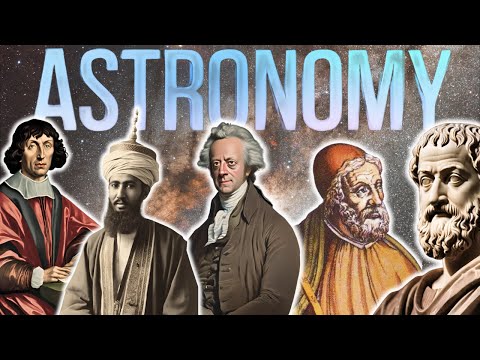
So, picture this: you’re sitting under a sky full of stars, right? That magical moment when everything feels so vast and mysterious. Well, the Romans were totally into that too. They were looking up and trying to make sense of all those twinkling lights way back in the day.
Funny enough, they didn’t have telescopes or fancy gear but still managed to get some pretty cool ideas about space. Like, they thought the Earth was at the center of everything! Can you believe that? Fast forward to today, and their musings are still hanging around like that one friend who never leaves your couch.
The whole deal with Roman astronomy shaped so much of what we know now about science. It’s kind of wild how their star-gazing antics influenced everything from navigation to calendars—even the stuff we use daily. So, let’s take a little ride through time and see how those ancient stargazers left a mark on modern science!
Exploring the Lasting Impact of Ancient Rome on the Development of Science
So, ancient Rome, huh? You might not think of them as the first group of folks to latch onto science, but they actually made some pretty big contributions. When you think about Roman astronomy, it’s all about how their ideas shaped what we do today. Let’s break it down a bit.
1. Influence of Greek Knowledge
Before the Romans took a swing at astronomy, they borrowed heavily from the Greeks. Think about guys like Ptolemy, who was super influential with his geocentric model – you know, that idea that everything in the universe revolved around the Earth. The Romans picked up this system and spread it across their empire. In a way, they were like the delivery service for Greek science.
2. Practical Applications
But the Romans weren’t just into theory; they had a knack for bringing this knowledge into everyday life. For instance, Roman engineers relied on astronomical knowledge for navigation and agriculture. Farmers would monitor celestial patterns to know when to plant crops or when to expect rain. And let’s be honest: if your survival depended on farming, you’d want to get that right!
3. Astronomy and Calendar Making
One of their more significant contributions was in calendar-making. The Julian calendar — introduced by Julius Caesar in 46 B.C.— was a huge deal because it fixed some issues with previous calendars that were out of whack with seasons. This pretty much laid down a foundation for our modern calendar, showing how astronomy directly synced with daily life.
4. Observatories and Instruments
They also constructed observatories and even built astronomical instruments like sundials and water clocks! These tools helped people tell time based on celestial movements rather than just relying on daylight or shadows alone.
5. Legacy in Modern Science
Fast forward to today: many principles we use in astronomy still have roots that trace back to Roman practices—even though we’ve built on them massively since then! If you’ve ever seen a star chart or used telescopes, remember those ancient Romans took steps toward understanding where we fit in this vast universe.
I can’t help but think about how these ancient innovations were kind of like seeds planted long ago that grew into what we now know as modern astronomy. It’s mind-blowing to think our understanding of space has its beginnings so far back!
In short, while Rome may be famous for its gladiators and aqueducts, their impact on science—especially astronomy—still echoes through time today!
Exploring Roman Contributions to Astronomy and Their Impact on the Evolution of Science
When you think about the Romans, you probably picture impressive architecture, like the Colosseum or aqueducts. But did you know they also made some significant contributions to astronomy? Yeah, it’s true! Their understanding of the cosmos not only shaped their worldview but also laid a foundation for modern science.
First-off, let’s talk about those Roman astronomers. They weren’t really known for original discoveries like the Greeks, but they took what they learned and built upon it. You see, Roman scholars often relied on Greek texts. In a way, they were like translators and adapters of earlier knowledge. One big name in this mix was Marcus Vitruvius Pollio, an architect who wrote about how buildings relate to celestial bodies.
- Vitruvius discussed how buildings should be oriented with respect to the sun and stars.
- This connection between architecture and astronomy wasn’t just practical; it reflected their desire to understand natural phenomena.
- The Romans also used sundials, which were basically ancient clocks that told time using the sun’s position!
The Romans didn’t stop at sundials either. They were keen observers of celestial events—like eclipses and planetary motions. They developed calendars to mark agricultural seasons based on these observations. Can you imagine farming without a reliable calendar? It must’ve been chaotic!
Now, let’s chat about one of their coolest contributions: the Julian Calendar. Introduced by Julius Caesar in 45 BCE, this calendar replaced a lunar system with a solar one that had 365 days, plus an extra day every four years (hey there, leap year!). This change had a huge impact on keeping track of time and seasons.
- The Julian Calendar helped standardize timekeeping across the Roman Empire.
- This was vital for trade, agriculture, and even military campaigns.
- It influenced later calendars used around the world today!
An interesting tidbit is that Roman literature often reflected their interests in astronomy too! Think about how poets like Virgil referenced celestial bodies in their works. It shows us that everyone—literally from soldiers to scholars—was thinking about how stars fit into their lives.
<pThis focus on celestial bodies didn’t go unnoticed!. The Romans made numerous star catalogues. While many were based on Greek models, this effort showed their systematic approach to studying the night sky.
- The work done during this time paved the way for future astronomers in the Middle Ages and Renaissance.
- Ptolemy’s “Almagest,” which became a major reference during medieval times, was influenced by earlier Roman studies.
You might be wondering: why does any of this matter today? Well, even though we’ve come a long way since then with our fancy telescopes and space missions, those early efforts laid crucial groundwork for what we know now about astronomy.
The Romans’ systematic observations influenced not just astronomy but also navigation! Their techniques for mapping stars helped brave seafarers explore uncharted waters later on.
In conclusion (oops!), it’s clear that while they weren’t inventing groundbreaking theories like later scientists would do, the Romans played an essential role in preserving and disseminating astronomical knowledge. Their approach opened doors for future exploration into our universe—a legacy that still resonates in modern science!
Exploring the Legacy of Ancient Astronomy: Its Impact on Modern Scientific Discoveries
Astronomy has been a part of human curiosity for ages, and ancient civilizations like the Romans have really shaped how we see the stars today. The thing is, they didn’t just look up at the sky; they were seriously trying to figure it all out. So, let’s break down what ancient Roman astronomy was all about and how it still influences modern science.
- Stellar Navigation:
The Romans were big on navigation. They used stars to explore and expand their empire, which is honestly pretty amazing! This laid the groundwork for future navigators who would rely on celestial bodies to find their way across oceans.
- The Julian Calendar:
You’ve probably heard of the Julian calendar, right? It was introduced by Julius Caesar in 46 BC. This calendar fixed some major issues with previous systems that messed up agricultural timelines. Its influence continues today; our modern Gregorian calendar evolved from it, which shows how ancient practices can stick around for thousands of years.
- Planetary Models:
The Romans were influenced by earlier Greek thinkers like Ptolemy, who proposed a geocentric model of the universe, meaning they thought Earth was at the center. This model dominated for centuries until Copernicus shook things up with his heliocentric theory in the 16th century. It’s interesting to note how long it took for this idea to catch on!
- Astronomical Instruments:
The tools that Roman astronomers created—like sundials and gnomons—were used to track time and celestial events accurately. It may seem simple, but these instruments helped refine measurements and observations that are still critical in modern astronomy.
- Astrology vs Astronomy:
Astrology was a big deal back then too! While nowadays we think of astrology as more about fortune-telling than science, it sparked interest in studying celestial movements. Like, people believed that planets influenced daily life. It’s curious how something so mystical led people to pay closer attention to astronomy itself.
One time I stumbled onto an old book while cleaning my attic and found notes from my great-grandfather about stars he liked when he was a kid. He told stories about stargazing with friends—finding constellations under a blanket of stars. Reading those notes made me realize: ancient practices and beliefs have trickled down through generations, influencing not just science but our evening rituals too!
- The Importance of Observation:
The Romans emphasized careful observation of celestial phenomena. They meticulously documented events like eclipses or planetary alignments—which are vital even today! Modern scientists depend on rigorous data collection and repeatable observations; you can trace that dedication back through history.
- Cultural Impact
Astronomy wasn’t just science; it affected art, literature, and philosophy during Roman times! Poets referenced planets or constellations in their works—talking about love using stars as metaphors was common! That blend between art and science is still seen in how we talk about space today.
So here’s what we can take away: Ancient Roman astronomy isn’t just dusty history; it’s rooted in our culture and continues shaping scientific explorations now. The legacy is alive in calendars we use every day or even our fascination with space exploration!
You see? When you look up at night skies filled with stars or hear about new discoveries from Mars missions, remember that people before us laid the groundwork for all this wonder we’re chasing today.
So, let’s take a little stroll back in time to ancient Rome. Picture it: grand temples, bustling forums, and folks gazing up at the night sky, wondering what those flickering stars were all about. Roman astronomy might not be the first thing that pops into your head when you think about ancient civilizations—like, say, Greek or Egyptian contributions—but trust me, they had their fair share of influence on our modern understanding of the universe.
In Rome, astronomy wasn’t just a hobby or some mystical pastime; it served practical purposes. Romans needed to track time for agriculture and festivals. They weren’t just looking at stars for fun; they used them to create calendars! Can you imagine trying to plan a harvest or organize a huge event without knowing when summer was starting? It would be chaotic!
Some Roman scholars borrowed from the Greeks, especially figures like Ptolemy. They took his geocentric model—basically that whole “Earth is the center of the universe” idea—and ran with it. But here’s where it gets interesting: Instead of simply copying what they learned, they tweaked it a bit and added their own flair. They developed instruments like the gnomon (a kind of sundial) and improved ideas about celestial navigation.
I remember once staring up at a clear night sky during summer camp as a kid. I was struck by how vast and beautiful everything looked—like something out of a dream. Looking back now, I realize how astronomy can touch us in so many ways; it sparks curiosity and inspires innovation. That’s kind of what Rome was doing back then too—fostering this deep-rooted fascination with stars that would seep into medieval Europe and eventually shape modern science.
Fast-forward to today: our telescopes are way more sophisticated than anything those ancient Romans could’ve imagined! Yet, there’s still that thread connecting us back to them—the wonder of exploration and discovery in our universe.
Roman advances in astronomy laid down some foundational ideas for future generations. When Galileo came along many centuries later, he built upon what those early astronomers started exploring. And look where we are now! From GPS technology that helps us navigate our busy lives to understanding black holes and distant galaxies—it all ties back somehow.
So next time you look up at the night sky or check your calendar, think about those Roman stargazers who dared to ponder their place amongst the stars. Their simple inquiries ignited curiosity that has echoed through centuries—and continues today—which is pretty amazing if you ask me!
</p