You know that feeling when you step onto a beach and the sand just sinks beneath your feet? It’s kinda like a mini rollercoaster ride, but for your toes. That’s soil for you—always shifting, changing, and doing its thing beneath us.
Soil physics isn’t just about dirt. It’s the science that tells us how earth works. Seriously! It dives into how water moves, how plants grow, and why your backyard might be a swamp one day and a desert the next.
I remember digging in my grandma’s garden when I was a kid. I thought I’d find buried treasure or something cool, but all I got was mud on my face! Little did I know back then, that dirt is where all the magic happens.
So yeah, let’s take a look at this foundation of life that we often overlook. There’s a lot more going on under our feet than we think!
Understanding Soil Physics: The Science of Soil Properties and Behavior
So, soil physics. It sounds super technical, right? But at its core, it’s really about understanding what makes soil tick. I mean, think about it: soil is everywhere beneath our feet! It’s like the unsung hero of our planet.
First off, let’s get into what soil actually is. You might’ve thought it’s just dirt, but there’s so much going on. Soil is a mixture of minerals, organic matter, air, and water. These components work together to create a living habitat where plants can grow and animals can thrive.
Now, when we say “soil physics,” we’re focusing on the physical properties of this mix and how they interact with each other and with the environment. Here are some key points to understand:
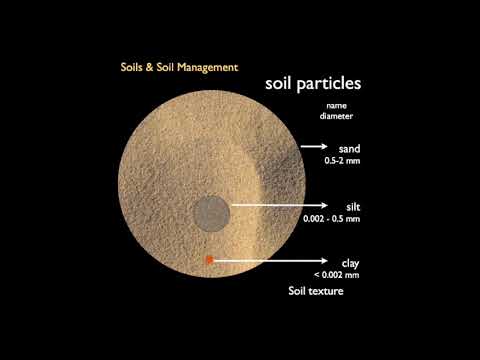
- Texture: This refers to the size of the particles in the soil—sand, silt, and clay. Imagine holding sand in your hand versus clay; they feel completely different! Sand feels gritty while clay feels smooth and sticky.
- Structure: Soil isn’t just a homogenous blob; it has different structures or formations. Some might be crumbly like a cookie (that’s called granular), while others could be more block-like (like prismatic).
- Pore Space: Think of this as tiny spaces between soil particles that hold air and water. The amount of pore space affects how well water drains through the soil or how much air is available for roots.
Okay, let me give you a little real-life example here. Picture yourself in your backyard after a heavy rain shower. If your yard has sandy soil, you’ll probably notice that water drains away pretty fast—it almost seems like magic! That’s because sandy soils have large pores that let water flow right through.
But now imagine being in a garden full of clay-rich soil after that same rainstorm—you might see puddles forming instead! Clay retains water due to its tiny pores, making it harder for water to escape.
Another cool concept in soil physics is wettability, which basically describes how well water interacts with the surface of soil particles. Some soils love soaking up water quickly (like sands), while others repel it (like hydrophobic clays). This makes watering your garden quite an adventure!
Soil’s ability to hold onto nutrients also ties back into its physical properties. The more organic matter you have—think decomposed leaves or compost—the better your soil can retain those essential nutrients plants crave.
Let me share something personal here—when I was younger, I used to help my grandparents with their garden every summer. They always emphasized testing the soil before planting anything new since different plants need different types of beds to grow well. Turns out they were practicing good ol’ soil physics without even knowing it!
Remember that soil composition can change over time due to factors like weathering or human activity—farming practices or urban development can significantly impact local soils.
To wrap this all up: Soil physics isn’t just an academic subject; it’s all around us and impacts everything from global ecosystems to our backyard gardens—fascinating stuff, huh? So next time you’re outside digging in the dirt or planting flowers, take a moment to appreciate those intricate physical properties at play beneath your feet!
The Pioneering Legacy of the Father of Soil Physics: A Dive into His Contributions and Impact on Soil Science
Soil physics is a super interesting field! It’s all about understanding the physical properties of soil and how they affect plants, water flow, and even climate. One of the biggest names in this field is Hans Jenny, often referred to as the father of soil physics. His work laid the groundwork for how we think about soil today.
Jenny was born in 1899 in Switzerland and spent his life passionately studying soil. You know, I still remember a class where we learned about his contributions. It was kind of an “aha” moment for me because I realized how essential soil really is to everything around us.
He developed a fundamental concept called the state factor equation, which illustrates that soil formation depends on five key factors: climate, parent material, topography, organisms, and time. This equation helped scientists understand how different soils are created and how they can vary from one place to another.
Another major contribution from Jenny was his work on soil moisture. He researched how water moves through soil and its importance for plant growth. Imagine you’re trying to grow a garden but your plants are wilting—understanding moisture movement can help you figure out when to water them better!
Soil structure is also crucial in this mix. Jenny emphasized that the arrangement of particles affects everything from root growth to water retention. He believed that healthy soils have good structure with spaces for air and water; sort of like having room to breathe!
Jenny didn’t just stop at theory; he was all about practical applications too. His research influenced agricultural practices worldwide, contributing to better crop yields. Farmers started using what he discovered about soil properties to manage their land more effectively.
But it wasn’t just farmers who benefited from Jenny’s findings. His legacy extends into environmental science as well! Today, understanding soil physics helps tackle issues like pollution control and sustainable land use.
The impact of his work is still felt today across multiple fields—all because he recognized that beneath our feet lies much more than dirt! This shows us that even something seemingly simple like soil has layers of complexity worth exploring.
In summary, Hans Jenny’s pioneering contributions laid a foundation that shapes our understanding of soil science. His insights into moisture movement, particle arrangement, and the state factor equation continue to influence both science and agriculture today. Isn’t it amazing how one person’s curiosity can create such an enduring legacy?
The Essential Role of Soil in Sustaining Life: A Scientific Exploration
Soil is like this incredible living blanket that covers the Earth, playing a crucial role in supporting life. Imagine it as the foundation of all ecosystems. Without healthy soil, it’s tough for plants to grow, which means animals and humans also struggle to survive. Crazy, right?
First off, let’s chat about what soil actually is. It’s made up of tiny particles of weathered rock mixed with organic matter, air, and water. You can think of it like a fancy smoothie—lots of different ingredients blended together to create something nutritious! The composition can vary widely depending on where you are in the world.
Now, why is this important? Well, one big reason is that soil acts as a filter. It cleans water as it moves through layers before reaching our aquifers. Just picture raindrops falling onto the ground and being purified by this awesome natural filter—pretty neat, huh? If we didn’t have good soil structure, all sorts of pollutants could end up in our drinking water.
Then there’s the part where soil helps with climate regulation. It stores carbon dioxide from the atmosphere. This process not only helps mitigate climate change but also keeps the ecosystem balanced. So when you’re planting trees or crops, remember you’re helping fight climate change too!
- Nutrient Cycling: Soil is essential for recycling nutrients back into the ecosystem. When plants die or shed leaves, they decompose into the soil and return those precious nutrients to new plants.
- Biodiversity: Healthy soils are home to billions of organisms—from bacteria to earthworms—that help break down organic matter and promote plant growth.
- Agriculture: Most food we eat comes directly from soils. If they’re degraded or unhealthy, food production takes a serious hit. Think about how much we rely on farmers who need good soil!
An interesting thing I once read about was how certain communities around the world have their own methods for maintaining soil health! In places like Ethiopia and India, traditional farming practices focus on protecting their land from erosion and depletion.
You know what else is cool? Soil has its own physics! The way soil particles interact with each other affects everything from water retention to root growth. Soil texture—like whether it’s sandy or clayey—changes these interactions dramatically. For instance, sandy soils drain quickly but don’t hold nutrients as well as clayey ones do.
If that’s not mind-blowing enough for you: consider that every time we dig into our gardens or fields; we disturb this complex system. It’s super important to practice sustainable farming techniques to keep soils healthy and productive over time.
The bottom line is that without soil functioning properly—in terms of structure and chemistry—we’d be in big trouble! From filtering our water to supporting biodiversity and food production, its role in sustaining life on Earth simply cannot be overstated.
Soil physics, huh? You’d be amazed at how much goes into the ground we walk on every day. I remember when I was a kid, my friends and I would dig holes in the backyard for no good reason other than curiosity. We thought we were just playing around, but man, we were actually engaging with something pretty profound. That soil beneath us? It’s like a whole city of tiny particles and organisms doing their thing.
Soil isn’t just dirt. Seriously! It’s this dynamic mixture of minerals, organic matter, air, and water. Each of those components plays a role in how well plants grow—or don’t grow—basically influencing life on Earth. Let’s break it down a bit.
The texture of soil is super important, too. You know how some dirt feels gritty while others are all smooth? That’s due to the size of the particles. Clay is tiny—like microscopic!—while sand is bigger and more rough. This affects how water drains through the ground or gets held in place for thirsty roots. If your soil is too compacted, good luck getting that water or oxygen to where it needs to go! Picture trying to breathe through a straw; not easy, right?
And then there’s that whole balance between air and water in soil pores (those tiny spaces between particles). If it gets all mucky after heavy rain or dries out too much during summer, plants might face real struggles getting nutrients. It’s like having a friend who can only drink from a tiny cup when they’re really thirsty; frustrating!
Oh—and let’s not forget about those little critters living in the soil! They’re basically unsung heroes breaking down organic matter and making nutrients available for plants. Worms? Totally underrated! They help aerate the soil too.
The more you learn about soil physics, the more you realize it’s not just “dirt.” It’s an intricate ecosystem that sustains life as we know it—fascinating stuff when you think about it! So next time you’re outside barefoot on grass or kneeling down to plant something new, take a moment to appreciate what’s going on under your feet. It’s like a whole universe down there doing its best to support everything above ground!