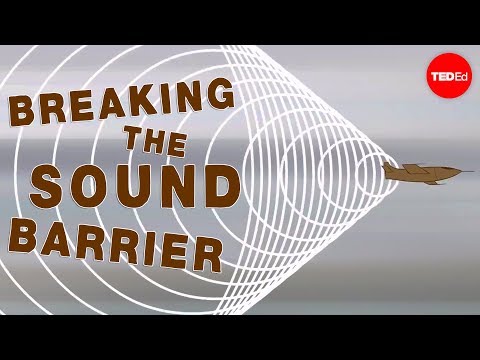
Alright, so picture this: you’re chilling outside, maybe sipping a soda on a hot day. Suddenly, out of nowhere, you hear this loud *bang*. It’s like someone dropped a giant bag of potato chips! But nope, it’s just a jet flying overhead, breaking the sound barrier.
Crazy, right? That’s a sonic boom for ya! It’s not just noise; it’s physics doing its thing in the most impressive way possible.
So, what is all this about soundwaves and booms? Well, let me tell you; it’s pretty mind-blowing! Seriously. The way sound travels and interacts with the world around us can lead to some wild effects.
Stick around because I’m about to take you through this awesome journey into sonic boom physics. You’re gonna look at soundwaves in a whole new light!
Understanding the Physics of Sonic Booms: A Comprehensive Exploration
So, let’s talk about sonic booms, shall we? Ever heard one? It’s like a loud clap of thunder outta nowhere. But what’s really happening behind that crazy sound? Well, grab a seat because it’s pretty cool.
When an object moves through the air, it creates waves. You know how when you throw a stone in a pond, it makes ripples? Same idea! But with sound waves, the object can change the game when it zooms past the speed of sound. That speed is around 343 meters per second or about 767 miles per hour at sea level. If something breaks that barrier, you get a **sonic boom**.
So here’s the thing: as an object goes faster and faster through air, it compresses those sound waves in front of it. Picture this: imagine pushing through a crowd—that crowd gets squished toward the front. When you hit that “sound barrier,” all those compressed waves can’t keep up anymore and stack up together. They eventually break loose and create a huge wave—the sonic boom!
- Shock Waves: This is literally what happens during a sonic boom. You can think of shock waves like little invisible walls crashing down around an aircraft.
- Double Boom: Sometimes you hear two booms instead of one! That could be because two shock waves are produced from different parts of the aircraft moving at different speeds.
- The Cone Shape: The shock wave forms a cone shape trailing behind the object as it flies. If you’re in that cone when the wave reaches you—it’ll be loud!
Now, let me throw in an anecdote here for some flavor! I remember once being outside during an airshow and feeling this sudden rush when a jet broke the sound barrier above us. It was like someone dropped a giant book on my head—startled me for sure! Everyone around went “Whoa!” It brought to life just how intense these booms can be.
Another fascinating piece is how sonic booms affect our world below them. Turns out they can cause structural damage if they’re too strong—think broken windows or rattling roofs! Not ideal for residential areas, right?
Here’s something to chew on: they’re actually regulated by laws in many places due to their intensity and noise pollution concerns. Commercial planes usually fly below this speed over populated areas to avoid causing disturbances.
In essence, sonic booms are not just random loud noises—they’re powerful physical phenomena tied to how sound moves through air and how fast things go. Think about that next time you’re outside and hear one! Oh, science—how cool is that?
Understanding Sonic Booms: Do Pilots Experience the Phenomenon in Flight?
So, sonic booms! They’re those crazy loud sounds you hear when something flies faster than the speed of sound, which is around 343 meters per second at sea level. But do pilots actually hear this phenomenon while they’re flying? Let’s break it down.
When a plane breaks the sound barrier, it creates shock waves. This happens because the plane is moving faster than the sound waves can travel away from it. Basically, you know how when you throw a rock into a pond, ripples spread out? Well, imagine that but with sound waves, and you’ve got the idea of a sonic boom.
Now, as for pilots experiencing these sonic booms in-flight? The answer is kind of interesting. When they fly through that boom, they often won’t hear it in the same way everyone else does on the ground. Here’s why:
So imagine being in a fast car zooming down a highway; if you were whizzing past at an insane speed and someone told you there’s a big *boom* happening outside—that would kind of be hard to notice in all that whoosh! And pilots flying supersonic jets are doing just that.
Interestingly enough, people on the ground do hear these booms. It usually sounds like an explosion or thunder rumbling nearby when those shock waves hit them. This can cause some confusion and concern sometimes! Picture people looking up during their picnic thinking “Did I just hear a meteorite?” Nope! Just your friendly neighborhood jet zooming by.
But here’s where things get cool: studies have shown varying effects on the environment because of sonic booms. Sometimes structures might rattle or even crack! So there’s always talk about regulations regarding where and how supersonic flights can occur over populated areas—yeah, no one wants to crack their windows daily!
In short, while pilots are cruising along at ridiculous speeds—being total bosses—they don’t really experience the boom as we do on the ground. They’re focused on flying and making sure everything runs smoothly up there. Isn’t science awesome? It’s like we get to peek behind curtains to see how things work in ways we never even think about day-to-day!
Exploring the Dangers of Sonic Booms: Can They Cause Fatal Injuries?
So, let’s talk about sonic booms. You know, those loud noises that happen when something flies faster than the speed of sound? It’s like a sudden clap, and while it might sound cool to some people, it can actually be quite alarming—especially if you’re the one hearing it!
When an object moves through the air at a speed greater than around 1,125 feet per second, or roughly 343 meters per second, it compresses air in front of it. This creates shock waves. Imagine throwing a rock into a still pond; you see those ripples spreading out in every direction. A sonic boom is kind of like that, but with sound waves.
Now, the real question: Can these booms cause injuries? Well, they can definitely cause some serious problems—just not often to people directly.
- Noise Pollution: Sonic booms can be incredibly loud, reaching levels over 100 decibels! That’s equivalent to standing next to a jackhammer. This kind of noise can lead to hearing loss or other health issues for folks exposed regularly.
- Physical Damage: There have been cases where sonic booms caused physical damage to buildings or shattering windows. It’s not unheard of for homes near military bases or flight paths to have this issue.
- Wildlife Impact: Animals are sensitive creatures. A sudden boom can scare them away from their habitats or disrupt breeding patterns.
- Panic and Stress: Imagine chilling at home and suddenly experiencing a loud bang! That could really freak someone out and lead to panic attacks or stress reactions.
But let’s get back on track. While sonic booms are loud and disruptive, they’re more likely to cause property damage rather than actual physical injuries to people. You see, there aren’t many documented cases of someone getting hurt directly by a sonic boom itself.
A friend used to live near an airbase; he shared how he could hear jets flying overhead all the time. He described one time when a particularly fast jet flew by and the house shook—the windows rattled like crazy! But luckily, nothing broke nor did anyone get hurt.
In terms of fatal injuries related directly to sonic booms? Well, there just isn’t much evidence that supports this happening in real life. The main concerns are still about noise pollution and potential property damage.
So yeah, while sonic booms might seem like just another interesting phenomenon in the sky—or something sci-fi movies love—they do come with their set of issues. They’re more about shaking up our lives than actually injuring us physically!
You know, sonic booms are like nature’s way of showing off a little bit. They’re those booming sounds you hear when an airplane flies faster than the speed of sound. It’s wild to think that sound travels at about 343 meters per second, or around 1,125 feet per second, depending on the temperature and altitude. When something breaks that speed, it creates this shock wave—a sudden change in pressure—that can rattle windows and make your heart skip a beat.
I remember one time I was sitting outside with a friend, sipping on some iced tea, totally unaware of what was about to happen. Out of nowhere, there was this massive crack—like thunder without rain! We both jumped, looking around to see if a tree had fallen or something. Turns out it was just a jet flying overhead. That moment stuck with me; it made me realize how powerful these sound waves can be.
So what really happens? Well, when an object speeds past the sound barrier, it compresses air molecules in front of it. Normally when something moves through air, the molecules get pushed aside gently. But if you’re moving fast enough—like supersonic fast—those molecules can’t just move over; they pile up and form the shock wave I mentioned. This wave eventually releases its energy in that big ol’ boom.
It’s not just loud; sonic booms can actually cause damage too! Some folks have reported cracked windows or even minor structural issues after one of those bad boys passes by their homes. That’s why there are strict regulations on supersonic flights over land—you definitely don’t want to be raining down sonic chaos on unsuspecting neighborhoods!
And then there’s this whole idea of how we perceive sound itself during a sonic boom—it’s kind of trippy. You hear things differently because that shock wave creates a sort of cone shape in the air as it moves outwards from the source. If you’re outside when it happens—it hits you all at once rather than rolling in gradually like regular sound waves. Kinda makes you appreciate how intricate our world is!
So yeah, sonic booms are much more than just noises; they tell us about physics and how energy works in our atmosphere! It’s like they remind us how interconnected everything is—incredible stuff happening all around us while we sip tea or whatever!