You know, my friend once joked that menopause is like getting a surprise ticket to the world of extreme moods. One minute you’re laughing, and the next you might toss your favorite coffee mug across the room.
But seriously, menopause can feel like a rollercoaster ride you didn’t sign up for! It sneaks up on you when your body starts saying, “Hey, guess what? We’re done with those monthly visitors now!”
And boy, does it come with a whole lot of changes — hot flashes, night sweats, mood swings…you name it. It’s like your body is having its own party, but no one gave you the memo about what to expect.
Let’s chat about what really goes down during this phase and how it can affect health in ways you might not even realize. Seriously, it’s worth diving into!
Comprehensive Overview of Menopause Physiology: A Detailed PDF Resource for Scientific Research
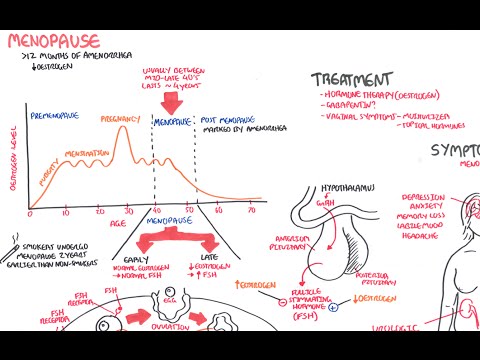
Menopause is a natural phase in a woman’s life that marks the end of her reproductive years. It usually happens between the ages of 45 and 55, but, like most things in life, there are exceptions. Some women might experience it earlier, while others may be later on the clock.
So, what’s actually happening? Well, during menopause, the ovaries gradually produce less estrogen and progesterone. These hormones are super important for regulating many body functions beyond just reproduction. As their levels drop, various changes occur.
- Irregular periods: You might notice your menstrual cycle becoming erratic before it completely stops.
- Hot flashes: These sudden feelings of heat can hit you at any time and might come with sweating or chills.
- Mood swings: Hormonal changes can make emotions run high and low.
- Sleep disturbances: Insomnia or waking up at odd hours can be frustrating.
- Bone health: Lower estrogen levels can lead to decreased bone density, which increases the risk of osteoporosis.
It’s not just about physical changes either; emotional well-being plays a huge role too. Lots of women report feeling anxious or even depressed during this transition. And guess what? It’s completely normal to feel overwhelmed by these shifts.
Let me tell you a little story. I remember talking to my aunt about her experience with menopause years ago. She described hot flashes like suddenly being wrapped in a warm blanket—only to have it ripped away moments later! She found humor in it over time but admitted that the mood swings were a different beast altogether.
The science behind it comes down to complex interactions within our endocrine system—the network responsible for hormones in our bodies. When estrogen dips, various organs adjust their functions too, often leading to that rollercoaster of physical and emotional symptoms.
However, not every woman will experience menopause the same way. Genetics play a role; if your mom had tough symptoms, there’s a chance you might too—but not always.
Coping strategies? They vary widely! Some women find relief with lifestyle changes: regular exercise, balanced diets rich in calcium and vitamin D (think leafy greens or almonds), and stress management techniques like yoga or meditation could help ease symptoms.
There are also medical options available if needed—hormone replacement therapy (HRT) is one commonly discussed route but isn’t for everyone. Always best to chat about these options with your healthcare provider.
In summary, menopause is more than just an end; it’s a transition filled with physiological changes affecting both body and mind. Understanding this process can empower you or someone you know going through it—it helps put things into perspective! You’re definitely not alone in this journey.
And hey, don’t hesitate to reach out for support when needed! Whether from friends who’ve been there or professionals who specialize in women’s health.
Exploring the Latest Research on Menopause: A Comprehensive PDF Guide in the Field of Science
Menopause is one of those big life changes that every woman goes through, but there’s a lot more to it than just hot flashes and mood swings. You probably know that it marks the end of your menstrual cycles. But what does that really mean for your overall health? Let’s break it down.
First off, what is menopause? Basically, it’s when your ovaries stop producing hormones like estrogen and progesterone. This natural transition usually happens between ages 45 and 55. When this shift occurs, women often experience a variety of symptoms that can range from mild to pretty overwhelming.
- Physical Symptoms: These can include hot flashes, night sweats, and weight gain. Hot flashes are like your body suddenly deciding it’s time for a sauna session—totally unexpected and often inconvenient.
- Mood Changes: Hormonal fluctuations can lead to increased feelings of anxiety or depression. It’s normal to feel a bit more irritable or emotional at times.
- Bone Health: Estrogen plays a crucial role in maintaining bone density. When levels drop, women become more susceptible to osteoporosis. That means bones can become fragile and break more easily.
- Heart Health: With menopause, the risk of heart disease can increase. That’s because estrogen helps keep blood vessels flexible and healthy.
Now, thinking back to my aunt who seemed so full of life until she hit her late 40s—it was like watching someone flip a switch. One minute she was bubbly; the next she was dealing with insomnia and all kinds of physical discomforts. It made me realize how essential it is for women going through menopause to understand what their bodies are doing.
Research lately has been fascinating! Scientists are digging deep into how menopause affects different aspects of health:
- Hormone Replacement Therapy (HRT): This treatment has gained attention for helping manage symptoms and potentially offer long-term benefits for heart and bone health.
- The Role of Lifestyle: Studies show that diet, exercise, and sleep play significant roles in managing menopausal symptoms. For instance, regular physical activity can help alleviate mood swings!
- Cognitive Function: Some research suggests cognitive decline might be linked to changes in estrogen levels post-menopause; however, other studies indicate mental sharpness isn’t affected as much as once thought.
It’s also worth noting that every woman experiences menopause differently; some may breeze through while others find it challenging. And hey, talking about these changes openly with friends or healthcare providers can make a world of difference.
In short, understanding menopause is key! The latest research offers insights not just about managing symptoms but also about embracing this new chapter in life with confidence. It’s all about being informed so you can navigate these changes effectively—with maybe only a few less “sauna moments” along the way!
Understanding the Early Signs of Menopause at 40: A Scientific Perspective
Menopause is a natural part of life, but it can be a confusing time, especially when it hits earlier than expected. If you’re around 40 and starting to notice changes, understanding these early signs could really help. So, let’s break down some of what happens during this transition.
What is Menopause? Basically, menopause signifies the end of a woman’s reproductive years. It usually occurs between ages 45 and 55, but some women can experience it earlier due to various factors such as genetics or medical conditions.
Now, at around 40, you might notice some shifting patterns in your body. It’s not just about stopping the monthly cycle; it’s everything leading up to that moment. The early signs may include:
- Irrregular Periods: Your menstrual cycle might start playing tricks on you—sometimes heavy, sometimes light. It can feel like your body’s in a constant state of confusion.
- Hot Flashes: Suddenly feeling hot when everyone else feels fine? Yep, that’s a hot flash. They’re caused by hormonal changes that affect your body’s temperature regulation.
- Mood Swings: Just like a rollercoaster ride! One minute you’re happy, and the next? Well, let’s just say emotions can be all over the place as hormone levels drop.
- Sleep Problems: If you’re tossing and turning more often than not, those hormonal shifts can mess with your sleep patterns. Night sweats can also factor in.
- Changes in Libido: You might find that your interest in sex isn’t what it used to be. Hormonal fluctuations and other symptoms like dryness can play a big role here.
The thing is, these symptoms aren’t universal; they vary from one person to another. This variation can depend on how your body reacts to decreasing estrogen levels—a crucial hormone for many bodily functions.
Interestingly enough, studies show that genetics play a role too! If your mom went through menopause early or had significant symptoms, there’s a chance you might too.
Anecdote Time: A friend of mine started noticing these signs right at 40. At first she thought she was just stressed out from work or maybe eating too much chocolate (we all have our vices!). But when her periods became unpredictable and those hot flashes kicked in during meetings? That got her attention!
You know how important hormones are for regulating mood and bodily functions? Well, a decline in estrogen is what sets off most of these symptoms. Estrogen affects other hormones too; think serotonin—the mood stabilizer—or even cortisol—the stress hormone—that’s released during times of anxiety or pressure.
With lower estrogen levels circulating through your system comes the potential risk for other health issues like osteoporosis or heart disease down the line.
If any of this sounds familiar or you’re concerned about changes happening at 40 or beyond—chatting with a healthcare provider can provide clarity on what’s going on with your body. Knowledge truly is power! Remember though: every woman experiences menopause differently; so keeping track of personal signs along with professional advice could shape your journey through this phase much more smoothly.
A quick reminder: early menopause isn’t the end; rather it’s just another chapter waiting to unfold!
So, let’s chat about menopause. You know, that phase in life where things start to change, and it can feel like your body is throwing a surprise party—but it’s not the fun kind of surprise. One day you’re cruising along, and the next thing you know, you’re dealing with hot flashes, mood swings, and all sorts of other surprises.
Menopause usually kicks in for women in their late 40s or early 50s. It’s when the ovaries start winding down hormone production—especially estrogen and progesterone. These hormones are like tiny messengers that keep everything running smoothly: your menstrual cycle, bone strength, even mood stability. So when they’re on vacation—or stop showing up altogether—it can really shake things up.
I remember my aunt telling me her stories about menopause, laughing one minute and tearing up the next. She described waking up drenched in sweat like she just ran a marathon while dreaming of ice cream! That unpredictability can be super challenging emotionally too. Sometimes it feels like your mood is on a rollercoaster—up one minute and down the next—and that’s no fun for anyone involved.
The impact doesn’t stop at hot flashes or mood swings; it can also lead to long-term concerns like bone density loss or an increased risk of heart disease. Estrogen plays a big part in keeping our bones strong. Without enough of it, women may become more susceptible to osteoporosis—the kind where bones become fragile and break easily.
But here’s the thing: while menopause might feel like an end to some things—like regular periods—it’s also a new beginning of sorts. Women often find themselves reclaiming their time and energy as they no longer have to juggle monthly cycles or worry about birth control. Many discover they have more freedom to pursue passions that were pushed aside during earlier stages of life.
Yeah, menopause has its challenges, but it’s also an opportunity for growth in so many ways. Understanding what’s happening can help make this transition smoother—not just for women going through it but also for those around them who want to support them through this journey.
So yeah, if you know someone navigating this phase—or if you’re living it yourself—just remember: it’s totally okay to reach out for help or share what you’re feeling because those conversations can create connections that make all the difference!