Okay, picture this: you’re at a family reunion, right? There’s that one uncle who looks exactly like the funny grandpa from your favorite show. You can’t help but wonder, “How does that happen?” Genetics is like the ultimate family mystery—so many quirks and traits passed down through generations.
Now, imagine if we could peek into those genetic mysteries with something called spectral karyotyping. Sounds fancy, huh? But seriously, it’s just a cool way to visualize our chromosomes—like a colorful map of your DNA.
This tech is shaking things up in genetic research. It’s helping scientists understand more about what makes us… well, us! From figuring out diseases to seeing why some people have blue eyes while others go for brown. So let’s chat about how this advancement is changing the game in understanding our genetic blueprints.
Exploring Recent Advances in Karyotyping Techniques: Innovations in Genetic Analysis and Applications
Karyotyping is like taking a snapshot of an organism’s chromosomes. It’s a way to see the genetic makeup of a cell. Recently, there’s been some cool stuff happening in this area, especially with a technique called spectral karyotyping, or SKY for short. Let’s break it down!
Basically, traditional karyotyping involves staining chromosomes so we can see them clearly under a microscope. You know? It’s like coloring in your favorite coloring book! But with all the colors and patterns, sorting out which chromosome is which can be tricky.
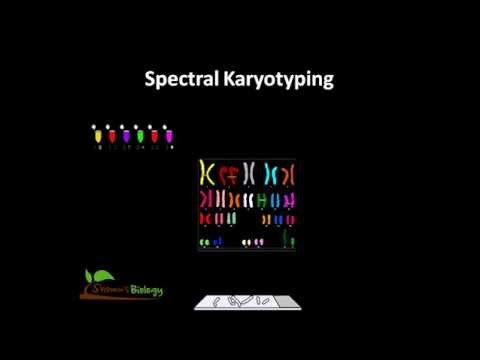
That’s where spectral karyotyping comes in. This method uses special fluorescent dyes that give each chromosome a unique color. So, instead of just squinting at stained chromosomes and guessing, researchers can look at the colors and easily identify each one. It’s pretty neat!
One major advance is the use of digital imaging technology. This tech allows for capturing high-quality images of these colorful chromosomes. Imagine taking a picture where you can see *every* detail! The software analyzes these images to detect chromosomal abnormalities—like extra or missing chromosomes—way faster than you could do by eye.
Another exciting innovation is combining SKY with other techniques like next-generation sequencing. This combo provides even deeper insights into genetic conditions. It means not only can you see if there’s an abnormal number of chromosomes but also peek into their specific structure and function.
The applications of these advances are huge! For example:
- Cancer research: Abnormalities in chromosome number or structure are often linked to cancers. With better karyotyping techniques, scientists can track how cancer cells evolve over time.
- Genetic disorders: Conditions like Down syndrome arise from chromosomal defects. Spectral karyotyping helps diagnose such disorders quickly.
- Prenatal screening: In pregnancies, analyzing fetal cells helps identify potential genetic issues early on.
I remember reading about a couple whose baby was diagnosed with Turner syndrome through these techniques while still in the womb. The emotional rollercoaster they went through was intense: from anxiety to relief knowing they could prepare for the challenges ahead thanks to early detection.
So yeah, the field of karyotyping is evolving rapidly thanks to advances in spectral techniques and digital imaging. These innovations are helping us understand our genetics better than ever before—and opening doors for earlier diagnosis and new treatments for various conditions. Pretty exciting stuff if you ask me!
Exploring the Advantages of Spectral Karyotyping in Genetic Research and Diagnostics
So, let’s chat about **spectral karyotyping** (SKY) and why it’s kinda a big deal in the world of genetic research and diagnostics. This technique has really changed the game, you know? It’s like giving scientists these super cool glasses that let them see chromosomes in all their colorful glory.
First off, what exactly is SKY? Well, it’s a method used to visualize chromosomes during cell division by using fluorescent dyes that bind to specific DNA sequences. Each chromosome can light up in its own color! This makes it way easier for researchers to see any abnormalities or changes in chromosome structure.
Now, let me break down some of the **advantages** of using spectral karyotyping:
- Higher Resolution: With traditional methods, like standard karyotyping, identifying subtle chromosomal abnormalities can be tough. SKY lets you spot those little changes more easily since every chromosome is visually distinct.
- Speed: You can get results more quickly with SKY compared to old-school techniques. In fast-paced environments, like hospitals or research labs, every minute counts!
- Better Accuracy: The chance of making a mistake goes down when you have such a clear view of what’s going on with the chromosomes. That means diagnoses can be spot-on.
- Comprehensive Analysis: SKY allows scientists to look at all chromosomes at once rather than examining them one by one. This is super helpful when studying complex genetic disorders.
One time I remember reading about how this technique helped identify a rare chromosomal disorder that had baffled doctors for years. By using SKY, they could finally pin down exactly what was wrong so they could start treating the patient more effectively. It’s stories like these that really highlight just how significant this technology can be!
Another neat aspect of spectral karyotyping is its ability to show changes not just in individual genes but also in larger segments of DNA—like pieces getting duplicated or deleted altogether. These kinds of alterations can lead to serious conditions including cancers and genetic syndromes.
But it’s not just about spotting mistakes; understanding the complex relationships between different chromosomes helps researchers learn about how certain traits are inherited or what might make someone prone to specific diseases.
Although there are still some challenges—like cost and technical expertise needed to interpret results—more researchers are embracing this tool each day because of its potential.
In summary, spectral karyotyping opens doors for breakthroughs in genetics by offering clarity and speed that traditional methods just can’t match. And who knows? Maybe someday it’ll help find cures for diseases we thought were impossible to tackle! It’s really exciting to think about where this technology could lead us next!
Exploring Karyotypes: Catalysts for Scientific Advances in Genetics and Cell Biology
Karyotypes are like snapshots of an organism’s chromosomes. Imagine you’re flipping through a family photo album, but instead of faces, you’re looking at carefully arranged strands of DNA. Each chromosome can tell you something about the organism—like whether it has the right number or if there are any funky mutations. So, when scientists explore karyotypes, they’re really diving into the genetic code that makes up life itself.
Now, let’s chat about **spectral karyotyping** (SKY). It’s a game-changer in genetics! Using different fluorescent dyes, researchers can tag each chromosome with a unique color. When viewed under special light, it’s like watching a wild rainbow dance of chromosomes. Seriously cool stuff! This colorful approach not only makes it easier to see the structure and number of chromosomes but also helps identify abnormalities.
So, why does this matter? Well, abnormal numbers or structures in chromosomes can lead to various diseases, including cancers and genetic disorders. For instance:
- Down syndrome is caused by an extra copy of chromosome 21.
- Cancers often involve changes in chromosome structure or number.
With techniques like spectral karyotyping evolving over time, scientists have made substantial progress in diagnosing these conditions more accurately.
Let’s take a quick detour into cell biology. Karyotypes come into play during cell division—when cells split and multiply. They help scientists understand how errors occur during this process. If a chromosome doesn’t separate properly, it can result in cells with too many or too few chromosomes. This is known as aneuploidy and can be linked to several health issues.
Imagine being in school trying to solve a math problem but losing track halfway through because someone distracted you—kinda chaotic! That’s like what happens in cells during division sometimes.
Now here’s another cool fact: cytogenetics—the study of chromosomes—relies heavily on karyotyping techniques for research advancements. With SKY and other methods making waves in this field, scientists can explore genetic conditions with much greater precision than before. They can now not only spot problems but also understand their origins—kinda like piecing together a mystery!
The next time you hear about genetics or health conditions related to our chromosomes, remember that karyotyping is at the heart of it all! It’s amazing how this colorful tool helps unravel the complexities that make us who we are while paving the way for future discoveries in biology. And honestly? It’s just super interesting to think about how much our understanding has improved over time because of these advances!
So, spectral karyotyping—sounds fancy, right? But really, it’s just a way of taking a super close look at our chromosomes using cool technology. Imagine peeking into the tiny building blocks of life, those twirly bits of DNA that are basically the instruction manual for everything about you. The advancements in this field have been nothing short of fascinating.
I remember sitting in a lab once, watching some researchers work on this project. They had these colorful images spread out everywhere, vibrant displays of chromosomes that looked like art pieces rather than biological tools. And I thought, wow! This isn’t just science; it feels like piecing together a puzzle where each color and shape tells its own story. You know? It’s not just about counting chromosomes; it’s about understanding what they do and how they interact with each other.
With spectral karyotyping, scientists can visualize chromosomes in ways that weren’t possible before. They can differentiate between them based on specific fluorescent colors—sort of like having a superpower to see details that were hidden in plain sight. This makes spotting abnormalities easier—like missing pieces or extra ones that shouldn’t be there—which is crucial for diagnosing genetic disorders.
But the thing is, it’s not only about identifying problems. These advancements help researchers delve deeper into how genetics relate to diseases and traits. It allows them to study genetic variations more closely and understand what makes us who we are at a molecular level. Pretty mind-blowing when you think about it!
And there’s this emotional aspect too, right? Imagine being a parent with concerns about your child’s health or development. Tools like this can offer clarity and hope by providing the answers needed to better understand potential risks or conditions. In many ways, spectral karyotyping is more than just data; it’s part of real-life stories that affect families in profound ways.
So yeah, as technology keeps pushing forward—not just in genetics but across all fields—we’re getting closer to those ‘ah-ha’ moments where we might finally start piecing together the intricate tapestry of human genetics. It’s really exciting!