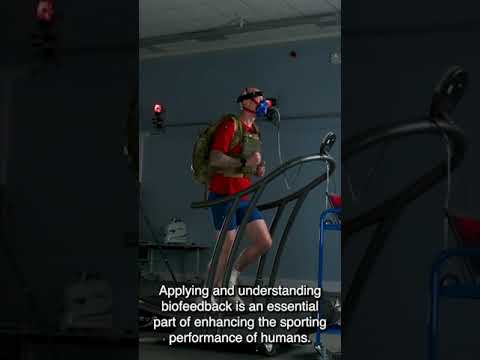
So, picture this: You’re at a sports event, and you see an athlete do something amazing. Like, they just sprinted across the field like a gazelle on espresso. You’re left there wondering, “How do they do that?” Well, that’s where sports science swoops in like a superhero.
Let me tell you something. It’s not just about training hard or having the latest gear. There’s this whole world of science behind every move. Yup! The way athletes perform, recover, even prevent injuries—all of it is backed by some serious research.
Think about it for a sec. If you could tap into that knowledge, maybe you’d crush your next workout? Or help your kid ace their soccer game? Education in sports science isn’t just for elite athletes; it can seriously boost human performance at any level.
So stick around! We’re gonna explore how getting a bit schooled in sports science can change the game for everyone—whether you’re hitting the gym or cheering from the sidelines. Trust me, it’s gonna be an exciting ride!
Exploring the Human Performance Alliance: Advancing Scientific Understanding of Human Capabilities
Exploring the Human Performance Alliance is all about enhancing our understanding of what humans can do, especially in the realm of sports. It’s kind of like a think tank where scientists, educators, and athletes come together to figure out how we can push the limits of human capabilities.
So, here’s the deal: human performance isn’t just about running fast or lifting heavy. It involves a mix of physical abilities, mental toughness, and even emotional resilience. Imagine an athlete scoring the winning goal. The strength in their legs is only part of it; there’s also a whole world of strategy and psychology at play.
One key aspect is research. The Human Performance Alliance dives deep into various studies that look at factors like nutrition, recovery, and training techniques. For example, did you know proper hydration can drastically affect an athlete’s performance? It’s not just about staying away from soda; it’s about how water impacts muscle function and endurance.
Another focus is education. They emphasize the importance of teaching coaches and trainers about the latest advancements in sports science. This isn’t just for elite athletes; it trickles down to everyone who participates in sports or fitness activities. Think about your local running club—if coaches understand biomechanics better, they can help prevent injuries!
Here are some areas they examine:
- Psychological Factors: Mental health plays a huge role in performance. Stress management techniques are essential for athletes facing high-pressure situations.
- Nutritional Science: The right fuel helps athletes recover faster and perform better—carbs aren’t just for pasta parties before events!
- Biomechanics: This is where it gets really cool! Understanding body mechanics leads to better training regimens tailored to individual needs.
You know how you might hear stories about athletes overcoming crazy odds? That’s often tied to their mental approach too. Coaches working with insights from this alliance can help their players build that mindset.
There’s also a strong emphasis on community involvement within this alliance. They aim to raise awareness about human performance not just at high levels but across all platforms— schools, clubs, even workplaces! When people understand how physical activity benefits them holistically—like reducing stress or improving mood—they’re more likely to stay active.
In essence, through initiatives like the Human Performance Alliance, there’s a concerted effort to take scientific knowledge and apply it in real-world settings. Every little bit helps us inch closer to unlocking our full potential as humans.
So yeah, whether you’re an athlete aiming for that personal best or someone trying to maintain a fit lifestyle, this initiative offers invaluable insights into how science can make a tangible difference in our everyday lives!
Exploring the Wu Tsai Human Performance Alliance at Stanford: Pioneering Advancements in Human Science and Performance Research
So, let’s talk about the Wu Tsai Human Performance Alliance at Stanford. It’s this super interesting initiative that’s all about unlocking the secrets of human potential. You might be thinking: “What’s in it for me?” Well, a lot, actually! The research here aims to improve athletic performance and general well-being through sports science education.
What’s the big deal? Basically, this alliance is a collaboration involving a bunch of experts across different fields. They dig into everything from physiology and psychology to biomechanics and nutrition. This interdisciplinary approach is key to getting a well-rounded look at what makes humans tick, especially when it comes to peak performance.
Imagine you’re an athlete training for the Olympics—or maybe just trying to beat your personal best at a local marathon. Researchers here study how factors like sleep, stress management, and even mental focus can impact your performance. They’re interested in individual differences too. It turns out everyone responds differently to training loads or nutritional strategies.
Here are some key areas they focus on:
- Performance optimization: Finding what conditions help athletes give their best.
- Injury prevention: Learning how to keep athletes healthy so they can keep doing what they love.
- Mental resilience: Understanding how mindset affects performance and recovery.
- Nutritional strategies: Figuring out what fuels are best for different types of training and competition.
You know what I find really cool? They’re not just working with elite athletes! There’s an emphasis on applying their findings to everyday folks too—like you or me—wanting to enhance our fitness levels or recover from injuries more effectively.
And then there’s sports science education. The idea is that by sharing knowledge with coaches, trainers, and even recreational athletes, the benefits ripple outwards. Educating people means better practices in sports settings everywhere.
However, like any growing field, it comes with challenges. For example, integrating new findings into training programs can be tricky! But as researchers learn more about human potential through their studies at Stanford—they’re figuring out ways around those hurdles too.
At the end of the day, advancing human performance through sports science education isn’t just about breaking records; it’s about enhancing quality of life for everyone involved in physical activity. Because feeling good physically absolutely boosts our mental health too!
So yeah, whether you’re an elite athlete or just someone who enjoys moving your body every now and then—what’s happening at the Wu Tsai Human Performance Alliance could have some pretty neat implications for you! Keep watching this space; exciting stuff is underway!
Optimizing Athlete Performance: Innovative Solutions Backed by Science
Sure, let’s chat about optimizing athlete performance and how science plays a huge role in that.
So, first off, athletes are like high-performance machines, right? They need the right fuel, tuning, and care to function at their best. And guess what? Science digs deep into this. Sports science focuses on understanding how the body works during different types of physical activities and what we can do to enhance that performance.
I still remember watching my buddy train for his first marathon. He thought running more would make him faster; however, when he started incorporating interval training—short bursts of speed followed by recovery—it changed everything for him! His time dropped significantly because he was not just running but training smart.
And then there’s the whole sleep thing—athletes often underestimate its power! Sleep is when your body does most of its repairing work—so catching those Z’s isn’t just nice; it’s necessary for peak performance.
There was this incredible study where athletes who practiced visualization showed *significantly* better performances compared to those who didn’t even if both groups trained equally hard!
In short, when looking at optimizing athlete performance through sports science education it involves a multi-faceted approach: proper nutrition fuels your workouts; tailored training schedules enhance skill development; recovery ensures you’re ready for more action; while mental techniques keep your head in the game.
All these aspects come together like pieces of a puzzle making up holistic athlete development strategies that aim not just for moments of glory but long-term success and well-being too! It’s pretty neat how science can help shape champions and maybe even encourage someone who’s just starting out to see what they could achieve with these techniques in their corner!
You know, when I think about sports science education, I can’t help but recall that time I tried to run a 5K. Sounds innocent enough, right? But there I was, pumped with adrenaline and a little clueless about what my body actually needed. By mile two, I was gasping for air like a fish out of water. All that enthusiasm didn’t quite translate into performance without the right knowledge!
That’s the thing about sports science education. It’s like having a backstage pass to understanding how our bodies work during physical activity. Imagine knowing exactly how your muscles react when you sprint or how your heart adjusts to different types of exercise. It’s kinda mind-blowing! You get familiar with biomechanics, nutrition, psychology—all those little pieces come together to optimize performance.
And wait for it—it’s not just for athletes aiming for gold medals! Think about the average person trying to get fit or just feel better in their day-to-day life. Sports science education can be super valuable there too. It teaches you what’s effective and what’s not when it comes to exercise routines. Ever heard someone say stretching is essential? Well, learning about flexibility and mobility helps you realize why that advice makes sense.
But honestly? It goes beyond the physical stuff. The mental aspect can’t be overlooked either! Understanding motivation and mindset is just as crucial as building strength or endurance. I’ve noticed when people learn how their brains respond to challenges in sports, they often push past limits they never thought they could break through.
It feels almost poetic in a way—how intersecting knowledge of biology and psychology can lead to real-life transformations both on the field and off of it! So yeah, advancing human performance through sports science education isn’t just limited to pushing bodies further; it’s about enriching lives overall.
So next time you’re considering starting some kind of training program or if you’re simply curious about why some folks seem to excel while others struggle, don’t discount that foundation of knowledge behind them. There’s so much more at play than we often realize!