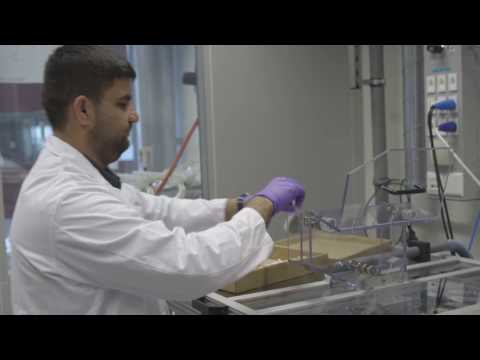
So, picture this: you’re at a party, and there’s this weird drink someone swears by. They say it’s “totally organic” and “100% safe.” But wait… how do we actually know that? Like, what if it has something sketchy in it?
Here’s where in vitro toxicology struts onto the scene like a superhero. Instead of testing stuff on animals or humans, scientists are using cell cultures and tissues to figure out if products are safe. It’s like giving them a health check-up without putting anyone at risk!
Imagine your favorite skincare cream being tested for safety without any bunnies getting involved. Pretty cool, right? These innovations are shaking things up big time.
Let’s dig into why this is all such a game changer for the stuff we use every day!
Advancements in In Vitro Toxicology: Enhancing Product Safety Through Innovative Techniques (2022)
In the world of product safety, **in vitro toxicology** is becoming a big deal. This fancy term basically means studying the effects of substances in a controlled environment, like test tubes or petri dishes, instead of using animals. It’s like doing science experiments without the messy bits of live testing. This method is gaining ground because it can save lives, time, and of course, our furry friends.
So what’s new in this area? Well, more and more tools and technologies are popping up that are making in vitro tests even better. Here are some key advancements:
- Organoids: Think tiny versions of organs that you can grow from stem cells. Scientists use them to see how a product might affect real organs. It’s like having a mini-liver in a dish!
- High-throughput screening: This technology allows researchers to test thousands of compounds at once. Instead of doing one test at a time and waiting days or weeks for results, you can get answers way faster.
- Computational models: These advanced computer simulations help predict how chemicals interact with biological systems. You can analyze data from hundreds of sources without even cracking open a lab book!
- 3D cell cultures: Moving beyond the flat layers of cells used in traditional tests, 3D cultures can mimic how cells behave in real life more accurately. It’s like giving cells their own little city to live in.
The importance of these advancements can’t be overstated. For example, imagine you’re developing a new skincare product. With these innovative techniques, companies can identify harmful effects of ingredients much earlier in the process—before they reach consumers’ skin!
There was this moment I’ll never forget during my time volunteering at a lab where we worked on these methods. A researcher came rushing out one day with results showing that an ingredient they thought was safe actually caused cell death in organoid cultures! They were able to pivot quickly based on those results instead of rolling out a faulty product—talk about saving face!
But it’s not just about safety; it’s also about efficiency and cost-effectiveness. Testing products through conventional methods often involves extensive animal trials that take forever and cost tons of money! By using advanced in vitro methods, companies can not only speed things up but also avoid potential legal issues related to animal testing.
Now you might be thinking about regulations—surely there must be hurdles? Well, you’re onto something there! Regulatory bodies are still catching up with these tech advancements. Some have started recognizing the value but others require more traditional testing methods before approving products.
In summary, advancements in **in vitro toxicology** are changing the landscape for safer products dramatically. With innovations like organoids and high-throughput screening leading the way, we’re moving toward safer consumer goods without sacrificing ethical standards or speed!
So next time you see “cruelty-free” on your favorite shampoo bottle, remember that there’s some serious science backing those claims—and it’s getting even better every day!
Exploring FDA Alternative Methods: Innovations in Scientific Research and Regulatory Compliance
You know, when you think about regulations, it can feel like a big, tangled web. But that’s where the FDA steps in. They have these guidelines to keep our products safe and effective. Lately, though, there’s been a push for alternative methods in scientific research—especially when it comes to toxicology testing. So let’s break that down a bit!
First off, traditional methods often involve animal testing which, let’s face it, doesn’t sit well with a lot of people. That’s why researchers are exploring in vitro toxicology. This approach uses cells or tissues outside of a living organism to test toxicity levels. It’s like trying your new recipe on a small scale before serving it at dinner!
Now, think about how many chemicals we come across every day—from beauty products to cleaning supplies. Using in vitro methods means we can test these substances more ethically and sometimes even faster! And who doesn’t love efficiency?
Here are some key points about these alternative methods:
- Reduction of Animal Testing: By relying on in vitro tests instead of animal models, researchers can significantly cut down the number of animals used in experiments.
- Better Predictability: In vitro tests might offer more reliable results for human reactions since they’re designed using human cells.
- Cost-Effectiveness: These tests can save money over time because they often require less time and resources than traditional methods.
- Real-Time Results: New technologies allow for quick assessments—important when you’re racing against deadlines!
It’s pretty exciting stuff! If you’ve ever seen those colorful petri dishes in science class—that’s similar to what happens with these tests. Scientists expose cells to a substance and then watch how they react under various conditions.
But here’s where it gets even cooler: innovations like organ-on-a-chip technology! Imagine tiny chips that mimic human organs; they can give us insights on how different substances might affect those organs without using live animals.
And with the ongoing development of these alternative methods, regulatory bodies are starting to take notice. The FDA is really looking at incorporating these innovations into their review process, which could revolutionize how products are evaluated and approved.
There are challenges, though—a lot of them revolve around ensuring that these in vitro methods truly reflect real-world conditions. You wouldn’t want a test that says something is safe when it really isn’t! That’s why scientists are working hard to refine their techniques.
So yeah, as we push forward into this new era of scientific exploration and regulatory compliance, it’s crucial for both safety and ethics. The progress happening right now could lead us toward safer products while respecting life in all forms.
In the end? Alternative methods aren’t just about pushing boundaries—they’re about making sure what we use every day is safe for us all!
Advancing Biomedical Research and Regulatory Testing through Innovative New Approach Methodologies (NAMs)
So, have you heard about these Innovative New Approach Methodologies (NAMs)? They’re shaking things up in biomedical research and regulatory testing, especially in the field of in vitro toxicology. Basically, NAMs are techniques that aim to replace traditional methods that often involve animal testing. Instead, they focus on human-relevant data collected from cells and tissues grown in labs.
Imagine a world where we can test the safety of products without relying solely on animal models. That’s where NAMs come into play. They harness modern science—think cell cultures, computer modeling, and advanced technologies—to get a clearer picture of how substances interact with human biology.
You see, traditional toxicology has its limits. Animal studies can take ages and are sometimes not very reliable when predicting human responses. By using NAMs, researchers can speed up the process and improve accuracy significantly. Here’s how:
- Cell-Based Assays: These are tests done with living cells outside of a whole organism. For instance, scientists can expose human liver cells to a drug to see if it’s toxic before it even hits the market.
- Computational Models: These models use data from experiments to predict how chemicals might behave in humans. With advanced algorithms, researchers can simulate complex biological processes!
- Organ-on-a-Chip: This is like creating mini organs on tiny devices! They imitate real organ systems and allow for real-time observation of how drugs affect them.
This brings me to an emotional story about a friend who worked on developing safer drugs using these methods. She told me how moved she was when they replaced harmful animal trials with cell-based assays that saved countless lives—both animal and human! It felt like a breakthrough moment for her team; it gave them hope that they could indeed create safer products faster.
Also worth mentioning is the regulatory side—this is huge! Agencies like the FDA are starting to embrace NAMs as part of their assessment processes. This shift means less red tape for getting innovative therapies out there while ensuring safety standards remain high.
The thing is, while NAMs present all these exciting possibilities, there’s still work to be done in validation and standardization across different labs worldwide. Scientists need more robust datasets to back up their findings so everyone can trust those results equally.
A future where we depend more on NAMs isn’t just about skipping animal testing; it’s about being smart with our resources while keeping public health at the forefront. So yeah, as these innovative techniques continue growing and getting refined, they could truly revolutionize how we develop safer products for everyone!
You know, when you think about all the products we use every day, it’s a bit overwhelming, right? I mean, from shampoos to cleaning supplies, we’re surrounded by stuff that could be harmful if not tested properly. That’s where in vitro toxicology comes into play—basically a high-tech way to check if these products are safe for us and the planet.
Not too long ago, I remember being at a friend’s house. She used this fancy new face cream that smelled like flowers. But after using it for a couple of days, she developed this crazy rash! At that moment, it hit me—what if there was a way to test those products without putting anyone at risk? That’s kind of what in vitro toxicology is all about.
These innovations in testing methods are pretty neat. Instead of using animals or waiting ages for clinical trials—which can take years—scientists can now use human cells and tissues in the lab to see how things react. It’s like having a mini version of your body right there! They can look at how ingredients cause irritation or even more serious issues like cancer without involving any living creatures. Isn’t that something?
What really excites me is the shift toward using technology here. We have computer models that can predict how substances will behave inside our bodies based on existing data. And it’s getting better all the time! Imagine a world where new products get greenlit much faster because they’ve gone through these advanced tests. It means safer products on shelves sooner.
There are challenges too, though. Sometimes these lab tests don’t fully replicate how substances behave in real life once they mix with other ingredients or when they interact with our complex biology. But hey, it’s definitely a step up from the past methods!
Sometimes it feels like we’re living in an era where science fiction is becoming reality—and I love it! Next time you grab that bright-colored bottle off the shelf, think about all that cool tech working behind the scenes to keep you safe. It makes you appreciate those little things more, doesn’t it?