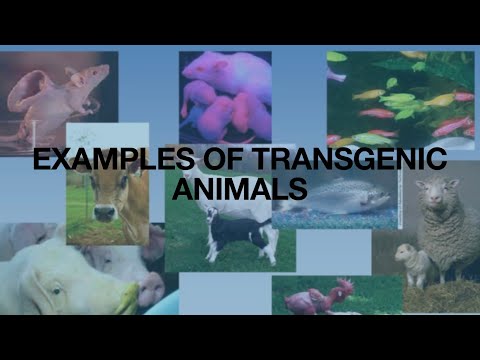
You know, it’s pretty wild when you think about it—scientists are actually creating animals with genes from other species! Imagine if your dog had the ability to glow in the dark. Sounds like something straight out of a sci-fi movie, right? But this stuff is happening right now.
Transgenic animals are basically nature’s mashups. They’ve got DNA from other creatures mixed in, and it’s all for research purposes. It’s more than just a science experiment; these critters help us understand diseases, test new treatments, and conduct all sorts of fun (and serious) studies.
So, let’s chat about some cool examples of these amazing animals. You won’t believe what they’re being used for!
Exploring Transgenic Animals: Two Key Examples in Genetic Engineering
Transgenic animals are like the superheroes of genetic engineering. They carry genes from different species, which gives them special abilities. Sounds cool, right? These creatures help researchers learn more about diseases, genetics, and even help produce medicines. Let’s explore two key examples: the GloFish and the Enviropig.
GloFish are these amazing fluorescent fish that glow in bright colors under UV light. They started out as ordinary zebrafish but were modified to have a jellyfish gene inserted into their DNA. Why jellyfish? Well, they have this protein called green fluorescent protein (GFP) that makes them shine. This wasn’t just a fun project; it actually helps scientists monitor environmental pollution levels. When GloFish swim in toxic water, they change color! Isn’t that a neat alarm system?
Then there’s the Enviropig. This pig was created with a twist—a bit of mouse DNA was added to help them digest phosphorus better. Normally, when pigs eat feed, they excrete excess phosphorus in their waste. But Enviropigs break it down efficiently! Think about it: less phosphorus means less pollution in waterways from pig farms—an excellent solution for farmers and the environment.
So why bother with transgenic animals at all? Well, you know how hard it is to develop new drugs or study diseases in humans? Animal models give researchers insights without the ethical concerns of human testing. Transgenic animals can mimic human diseases better than regular animals do.
- GloFish: Modified zebrafish that glow under UV light; used for pollution monitoring.
- Enviropig: Designed to digest phosphorus efficiently; minimizes environmental impact.
Transgenic animals also open doors for biotechnology advancements. Scientists can make these creatures produce proteins or antibodies useful in medicine. It’s like having tiny factories working on solutions.
But working with transgenic animals isn’t without its ethical debates. Some people worry about animal welfare and what these modifications could mean for the future of biodiversity. It’s important we tread carefully and consider the implications of our scientific advances.
By looking at GloFish and Enviropigs, you really see how versatile transgenic animals can be for research and environmental sustainability. While there are challenges ahead, their potential benefits are pretty exciting! So next time you hear someone mention genetic engineering, remember these fascinating examples and what they bring to science!
Exploring Successful Applications of Transgene Technology in Modern Science
Transgene technology, also known as genetic engineering, is like giving a makeover to an organism’s DNA. You take a gene from one species and insert it into another, which can lead to some pretty remarkable results. Just think about it—what if we could create animals that help us solve complex medical mysteries? That’s what researchers are doing with transgenic animals!
One of the most famous examples is the transgenic mouse. This little critter has been engineered to carry genes that make it susceptible to diseases like Alzheimer’s or cancer. Why does this matter? Well, having these mice in labs allows scientists to study how diseases progress and test new treatments. It’s like having a mini version of human health issues right in the lab!
Then there are transgenic pigs. I know, right? Pigs! These guys have been modified to produce proteins that can be used for medical purposes, such as human insulin or other therapeutic proteins. Imagine pigs not just being cute but essentially acting as bio-factories!
Another exciting application is in agricultural science. Transgenic goats have been created to produce milk containing medicines and nutrients—like antithrombin, which helps prevent blood clots. Seriously! A goat’s milk could contain life-saving drugs.
And it’s not just about humans. Researchers have also developed transgenic fish, like the AquaAdvantage salmon. These fish grow faster than their non-transgenic counterparts, which means we might solve some challenges in food production and sustainability by meeting greater demands without overfishing.
You might be wondering about the ethics behind all this gene editing stuff. Yeah, that’s a hot topic! Scientists are really careful and must follow strict guidelines when creating these animals. The goal is always to enhance understanding or provide solutions without causing harm.
But let’s bring it back down to earth for a minute with a personal anecdote: I remember going on a school trip where we visited a lab developing transgenic mice for research purposes. It was surreal seeing how they could pinpoint specific genes related to disease traits! Just knowing those tiny creatures could help advance medicine felt pretty inspiring.
So basically—transgene technology is opening up doors in both medicine and agriculture that we never thought possible before! There’s so much potential for making our world better through these innovative applications. Exciting times ahead for science lovers everywhere!
Transgenic Animals in Biotechnology: Two Key Products for Biological Compound Production
Transgenic animals, huh? They’re like the superheroes of biotechnology! Scientists have taken genes from one species and inserted them into another. This process creates animals that can produce valuable biological compounds. Let’s break down a couple of big players in this field.
1. Antithrombin Production:
One cool example is the production of antithrombin, a protein that helps prevent blood clots. Normally, it’s found in human blood, so getting enough for people with certain conditions is tricky. Here’s where transgenic goats come in! Scientists have engineered these goats to produce antithrombin in their milk. When you think about it, these goats are like living factories!
Using their milk means we can collect and purify this important protein more easily than getting it from human sources or traditional methods. Isn’t it wild that a goat could help save lives?
2. Factor IX for Hemophilia:
Another amazing use is with Factor IX, which helps blood clotting and is crucial for people with hemophilia. Researchers created transgenic cows that produce Factor IX in their milk too! So patients can receive treatment with less risk and more efficiency.
Imagine this: every time a cow gets milked, there’s potential medicine flowing right there! This innovative approach might change how treatments are produced in the future.
So, to wrap this up—transgenic animals are playing a huge role in biotechnology by producing biological compounds essential for treating various health conditions. With goats making antithrombin and cows creating Factor IX, we’re seeing just how creative science can be to tackle real-world problems. It’s like mixing nature with technology to find new solutions!
So, you know how scientists are always looking for ways to push boundaries and solve complex problems, right? Well, one of the coolest and perhaps slightly mind-boggling areas they’ve explored is transgenic animals. These are creatures that have had their DNA altered – this isn’t your everyday genetic tweaking we’re talking about. It’s like giving them a little upgrade so they can help researchers unravel mysteries of diseases or biology in ways we’d never imagined.
I remember sitting in a class way back, when the professor showed us a video of a glowing green rabbit. At first, I thought it was some sort of science fiction movie! But no, they had inserted a jellyfish gene into its DNA. The rabbit glowed under certain lights! And while it may sound like something out of a cartoon, it was all part of research aimed at better understanding genetics and disease.
Transgenic mice often come up in discussions too. These little guys are massive heroes in the lab world because they can be engineered to develop illnesses that mimic human conditions. So when researchers study these mice, they’re really getting insights into how certain diseases work or responding to treatments without needing to jump straight into human trials right away.
Then there’s another fascinating example: cows engineered to be disease-resistant. Imagine breeding livestock that don’t get sick as easily! That could mean less use of antibiotics and healthier food down the line for us humans. It’s not just about curing what’s wrong; it’s also about preventing issues before they start.
But here’s where things get tricky – and kind of emotional if you ask me. The ethics surrounding transgenic animals stir up all kinds of debates about animal welfare and the implications for nature itself. Are we playing God? Can we fully understand the consequences? There are quite a few people who feel uneasy with these modifications, even if they could save lives or improve agriculture.
So yeah, transgenic animals are pushing boundaries in research – both scientifically and ethically. It’s this constant balancing act between innovation and responsibility that makes it all so complex yet intriguing. Each glowing rabbit or disease-resistant cow leads us deeper into questions about our role in nature, what we should do next, and ultimately how far we’re willing to go for knowledge’s sake. You follow me? It makes you think twice about what goes on behind those lab doors!