So, picture this: you’re chilling on the couch, scrolling through your phone, and suddenly you land on a video of a turtle with a straw stuck up its nose. Yikes, right? I mean, who knew straws could be so deadly?
But that’s just one tiny glimpse into the huge mess happening in our environment right now. Seriously, it’s like Mother Nature has thrown a tantrum. From climate change to plastic pollution, there’s a whole lot going on that we just can’t ignore.
You know when you’re at a party and everyone’s talking over each other? That’s kinda what’s happening with different environmental issues — all shouting for our attention. Each one is important in its own way.
It feels overwhelming sometimes, doesn’t it? Trying to wrap your head around it all can be tough. But hey, let’s break it down together! We’ve got some serious talking to do about what’s shaping our planet today.
Exploring Today’s Key Environmental Challenges: Insights from the Field of Science
Well, you know, our planet’s facing some pretty serious environmental challenges today. It’s not just about climate change, even though that gets all the headlines. The thing is, there are a bunch of issues out there that are shaping our world. Let’s break down some of the key ones.
Climate Change
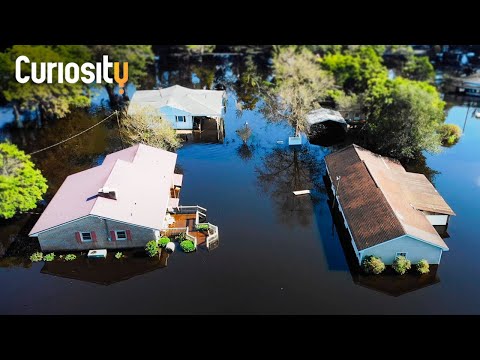
First off, let’s tackle climate change. Seriously, it’s like an elephant in the room that we can’t ignore. The Earth’s average temperature is rising because of greenhouse gases trapping heat in our atmosphere. You might remember those hot summers or wild weather changes? That’s all part of it! And this isn’t just a science fiction story; it affects everything—our oceans, wildlife, and even our food production.
Plastic Pollution
Next up is plastic pollution. Picture this: every year, millions of tons of plastic end up in our oceans. It’s pretty heart-wrenching when you think about sea turtles mistaking plastic bags for jellyfish or birds feeding their chicks bits of plastic instead of food! Groups are working hard to clean it up and reduce plastic use, but it’s tough when so much packaging is just everywhere.
Biodiversity Loss
Now let’s chat about biodiversity loss. This one hits home too! It’s like losing pieces from a puzzle that doesn’t come back together easily. When habitats get destroyed for things like agriculture or urban development, species struggle to survive. And did you know that around 1 million species are at risk of extinction? That’s not just numbers; it’s entire ecosystems being disrupted!
Deforestation
And then we have deforestation. Think about rainforests being chopped down for palm oil or paper products—it’s heartbreaking! These trees aren’t just pretty; they’re essential for regulating the climate and supporting countless species. When they go, we lose so much more than just trees; we lose homes for wildlife and contribute to carbon emissions too.
Water Scarcity
Water scarcity is another pressing issue. So many people around the world don’t have access to clean water! It’s alarming how a basic necessity can be so difficult to find in some areas due to pollution and overuse of resources. Some regions are literally running dry!
Ocean Acidification
Oh! And let’s not forget ocean acidification! With more CO2 in the air dissolving into our seas, the water’s pH level drops—making it more acidic over time. This hurts marine life like corals and shellfish, which struggle to build their shells in such conditions.
In short, these challenges paint a pretty stark picture of what we’re dealing with on Earth today—but it doesn’t mean all hope is lost! Scientists around the globe are hustling to research solutions and push for better policies and practices.
So yeah, while things look tough right now, there’s a lot we can do at individual levels too—from reducing waste at home to supporting sustainable practices wherever possible—every little bit counts!
Exploring the Contemporary Effects of Environmental Impact on Human Health and Ecosystems
Well, let’s talk about how our environment is, like, totally affecting our health and the ecosystems around us. Seriously, it’s pretty wild how interconnected everything is. So, what’s the deal with environmental impact these days? Here are some key points to get the ball rolling.
Air Pollution is one of the biggest culprits out there. You know those smoggy days where you step outside and it feels like you’re breathing in a soup? That’s not just annoying; it can lead to serious health issues like asthma and lung cancer. Particulate matter—tiny particles in the air—can even seep into your bloodstream! Imagine that!
Then there’s climate change, which isn’t just about warmer summers. It messes with weather patterns, making storms more intense and droughts longer. Think about your favorite summer activities—they might be disrupted by extreme weather! Plus, crops can suffer, which leads to food shortages. Less food leads to malnutrition, which hits vulnerable populations hardest.
Now let’s talk water pollution. Picture this: water that’s supposed to be refreshing and clean gets tainted with chemicals or waste. It can carry bacteria too! Drinking contaminated water can cause gastrointestinal diseases and long-term health issues. Not cool at all!
You also can’t forget about deforestation. Cutting down trees has so many ripple effects: fewer trees mean less oxygen and more carbon dioxide in the atmosphere. Also, many animals lose their homes when forests disappear, leading to extinction of species we haven’t even discovered yet!
Another big player here is waste management. We produce tons of trash every day—plastic bottles, old electronics—you name it. Landfills are overflowing! If they leak toxins into nearby soil or water sources, it can pose serious risks for both humans and wildlife. Imagine living next to a garbage dump; pretty gross right?
Let’s not skip over toxic substances. Chemicals used in agriculture or manufacturing often make their way into our environment. Pesticides may keep bugs away from crops but can harm beneficial insects like bees that are crucial for pollination! And trust me: if bees go extinct, we’re looking at major food supply issues.
To sum up all this madness:
- Air pollution<!– impacts respiratory health.
- Climate change<!– disrupts weather patterns.
- Water pollution<!– causes diseases.
- Dereforestation<!– leads to loss of biodiversity.
- Waste management<!– problems overflow landfills.
- Toxic chemicals<!– affect ecosystems severely.
- Climate change<!– disrupts weather patterns.
You see? The problems are all intertwined! And we really need to think critically about how our actions—like consumption habits or energy use—are shaping the planet today. Just take a moment to think about this: every little choice you make contributes either positively or negatively to our environment and its impact on health.
It’s crucial we stay informed because the health of our planet directly affects us all—we’re not off the hook just because we live in cities! So as you go through your day-to-day life, remember that what happens out there has a ripple effect right back at us—and it’s up to us to make better choices for both ourselves and the environment we share.
“Exploring Biodiversity: Key Insights and Advancements in Scientific Research”
Biodiversity is like the amazing tapestry of life on Earth. It includes everything from the tiniest microbes to the tallest trees, all playing a role in maintaining the balance of ecosystems. The thing is, biodiversity isn’t just about having lots of different species; it’s crucial for our survival as well.
When you hear scientists talk about biodiversity, they’re usually focusing on three main levels: genetic diversity, species diversity, and ecosystem diversity. Let’s break that down a bit.
- Genetic diversity: This refers to the variations in genes among individuals within a species. Think about how dogs vary from pugs to Great Danes. This genetic mix is super important for resilience against diseases and environmental changes.
- Species diversity: This one’s straightforward – it’s about the variety of different species in a habitat. More species can create more stable ecosystems. If one species suffers, others can step in to fill that gap.
- Ecosystem diversity: Different ecosystems, like forests, wetlands, and coral reefs, each have unique communities and functions. Preserving different ecosystems ensures a range of services we rely on, like clean air and water.
Now let’s talk numbers because they really drive home how crucial this stuff is. Scientists estimate that we’re losing around 1 million species right now due to human activities! Deforestation, pollution, climate change – they all play a part in this staggering loss.
One key insight from recent research is how interconnected everything is. For instance, studies have shown that areas with high biodiversity tend to be better at filtering water and sequestering carbon – vital processes that help tackle climate change! Isn’t it wild how much we rely on our planet’s rich variety?
Another big advancement is in technology. We now have tools like **environmental DNA (eDNA)** sampling! It allows scientists to collect DNA from soil or water samples instead of needing direct sighting of every single organism. This not only speeds up research but also helps uncover hidden biodiversity that might be overlooked.
Moreover, citizen science has become an exciting way for people like you and me to contribute. Platforms where anyone can record observations help scientists gather huge amounts of data quickly and efficiently. Your backyard might just be a treasure trove for researchers looking into local wildlife!
But here’s where things get heavy: loss of biodiversity leads to ecosystem services decline—everything from pollination by bees to nutrient cycling happens with healthy ecosystems. Without them? Well, we could face food shortages or increased natural disasters.
So yeah, protecting biodiversity isn’t just an environmental issue; it’s tightly linked with economic stability and public health too! It’s clear that if we want a healthy planet for future generations (and ourselves), preserving this rich array of life should be at the top of our list.
In short? Biodiversity matters now more than ever—let’s keep exploring it while we can!
You know, when you take a step back and look at the state of our planet, it’s kind of overwhelming, isn’t it? I mean, there are so many environmental issues creeping in like uninvited guests at a party.
One thing that hits me is climate change. It’s not just some distant problem anymore. It’s knocking on our doors and even messing with the weather we used to rely on. Just a couple of years ago, I remember sitting in my backyard during what was supposed to be summer, and it felt more like an early fall day. I couldn’t help but think about how odd it was to experience something that just didn’t feel “normal”.
And then there’s pollution. Oh man. It’s everywhere—like that sticky residue from a spilled soda that you can never quite clean up. Whether it’s plastic choking our oceans or smog hanging over cities like a heavy curtain, pollution feels relentless. Sometimes, I wonder if we’ve become kind of numb to it all because we see it so often.
Speaking of oceans, let’s not forget about marine life! Overfishing is another biggie—our fishy friends are getting fewer and fewer as we keep pulling them out of the water faster than they can reproduce. It’s hard to imagine someday going out for sushi only to find half the menu missing because those fish became too rare.
And then there are the forests—seriously heartbreaking stuff there too! Deforestation is similar to ripping chapters out of a book; every tree cut down takes away a little part of our planet’s storybook. Those trees are habitats for countless species and key players in keeping our air clean.
But here’s what gets me: despite all these challenges, I’ve noticed this rising wave of awareness. More people are talking about sustainability than ever before! Whether it’s through community clean-ups or choosing eco-friendly products, there’s this spark igniting hope and action.
So yeah, while diverse environmental issues certainly shape our planet today in some heavy ways, each small effort counts—a shift in habits here or choices made there can really add up over time. And maybe if we keep pushing for change together, we just might start turning those tides around!