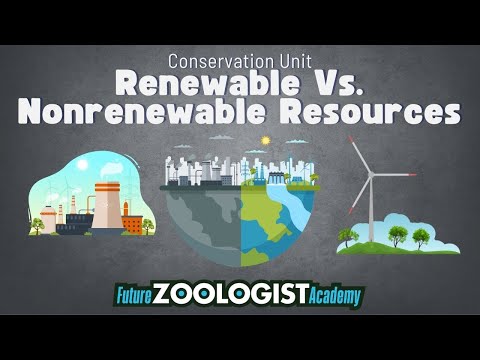
You know what’s wild? The fact that every time you flip a light switch or hop in your car, you’re kinda dipping into the Earth’s stash of nonrenewable resources. It’s like pulling the last slice of pizza out of the box—sure, it’s delicious, but someone’s gonna be bummed out about it later.
So, picture this: you’re sitting at a campfire, the sky’s darkening, and the stars start twinkling above. You think about how those stars are millions of light-years away, yet your little campsite is powered by resources hidden deep beneath your feet. Crazy to think about how much goes into our daily lives! And really, some of these resources are getting short on supply.
In this chat, we’ll dive into five key nonrenewable resources that are not just part of our everyday lives but also big players in shaping our planet’s future. Trust me; they’re more interesting than they sound!
Exploring 5 Renewable and 5 Non-Renewable Resources: A Scientific Overview
Renewable Resources are like nature’s way of giving us a thumbs up! They can be replenished naturally and, generally speaking, won’t run out if we manage them right. Here are five important ones:
- Solar Energy: This is energy from the sun. It’s pretty amazing how sunlight can be converted into electricity using solar panels. Just think about how many sunny days we get!
- Wind Energy: Wind turbines catch the breeze and turn it into power. It’s clean and abundant in places where the wind just doesn’t quit, like coastal areas.
- Hydropower: This comes from flowing water—think rivers or dams. The movement of water spins turbines to generate electricity. Ever seen a big dam? That’s where some of this magic happens!
- Geothermal Energy: Here, we tap into heat from beneath the Earth’s surface. It’s like using Earth’s natural oven to warm up our homes or generate electricity.
- Bioenergy: Made from organic materials like plants and waste, this energy source uses stuff that grows back again! It fuels things like biofuels for vehicles or even heating.
On the flip side, we’ve got Non-Renewable Resources. These are resources that can run out because they form over millions of years and once depleted, they’re gone for good! Check out these five:
- Coal: A fossil fuel formed from ancient plant matter, it’s been a key player in powering industries. Unfortunately, burning coal releases lots of carbon dioxide.
- Natural Gas: Often found near oil deposits, this gas is used for heating and cooking. It produces fewer emissions than coal but still contributes to greenhouse gases.
- Copper: A vital metal used in electrical wiring and plumbing; it doesn’t renew itself quickly at all! Mining copper can cause ecological damage if not done carefully.
- Petróleum (Oil): This black gold powers our vehicles and industries but extracting it can lead to significant environmental impacts, including spills!
- Uranium: Used mainly for nuclear power generation, uranium is mined from deep within the earth. Its safety concerns often raise eyebrows due to radioactive waste.
So what does all this mean? Well, as you might guess, there’s a growing debate about how we manage these resources moving forward. Many folks argue for shifting towards renewable options to conserve non-renewables for future generations.
Think back to when you were last outdoors—maybe on a hike or just enjoying nature—and you could hear the wind rustling through trees or feel warm sunlight on your skin. That’s nature reminding us how interconnected everything is! Even small changes in our resource use today could mean big benefits for tomorrow’s planet.
So yeah, whether you’re sipping coffee made with bioenergy or driving a car that runs on electric power generated by solar panels—you’re part of this evolving conversation about resources that shape our future! Let’s keep thinking about these choices because every little bit counts in making sure Earth stays healthy and thriving!
Exploring Non-Renewable Energy Sources: Current Trends and Future Implications in Science
So, let’s chat about non-renewable energy sources. They’re a vital part of our everyday life yet they come with a bunch of challenges. Fossil fuels, nuclear energy, and some other resources that we can’t really replenish like we can with wind or solar power are what we’re talking about here.
Fossil fuels are probably the most well-known non-renewable energy sources. This includes oil, coal, and natural gas. When burned, they release energy that can power our homes or fuel our cars. But here’s the kicker: they also emit greenhouse gases, which contribute to climate change. And honestly, that’s a big deal.
Then there’s nuclear energy. It might seem clean because it doesn’t produce direct emissions like fossil fuels do, but there’s a whole different side to it. The waste produced is radioactive and needs careful management for thousands of years! Seriously! Just think about trying to keep something safe for millennia; it’s mind-blowing.
You may have heard about shale gas, right? This method of extracting natural gas from rock formations has been gaining traction in recent years. It’s created jobs and lowered energy prices in some places but has raised concerns over environmental impacts like groundwater contamination and seismic activity from fracking.
Now let’s take a look at some current trends regarding these resources:
- Increased Efficiency: Technologies are improving to get more energy out of less fuel. For example, modern coal plants can be much more efficient than older ones.
- Diverse Sources: Countries are trying to mix their energy sources more instead of relying solely on one type, which is smart but tricky!
- Sustainability Efforts: Some areas focus on capturing carbon emissions from fossil fuel use to reduce their impact. It’s not perfect but definitely makes you think.
The future implications are pretty cool yet concerning at the same time. Energy demands are rising as populations grow and developing countries ramp up their consumption. Many scientists believe we need to make significant changes ASAP! Shifting towards renewable sources might help ease our dependency on non-renewables.
Bigger picture? Long-term reliance on non-renewable resources could lead us to environmental degradation and climate crisis if we don’t change course soon. As someone who cares about where we’re headed as a planet, it’s important to keep this dialogue alive!
You know what I mean? We need concrete action mixed with fresh ideas if we want a sustainable future that doesn’t leave our planet hanging out in the dust!
Exploring 10 Key Examples of Non-Renewable Resources in Scientific Context
So, let’s talk about non-renewable resources. These are the bits and pieces of our planet that just won’t regenerate fast enough for us to keep using them. They’re like that favorite snack you have; once it’s gone, you can’t just pop down to the corner store and get more right away. Well, in this case, we’re looking at resources that’ll take millions of years to form again!
First off, fossil fuels are probably what pops into your head when you think about non-renewables, right? We’re talking oil, coal, and natural gas. They’re all formed from ancient plants and animals buried under layers of earth for eons. When we burn them for energy, we release carbon dioxide into the atmosphere. Not exactly great for our planet.
Then there’s uranium, used in nuclear power plants. This heavy metal is mined from the Earth and fissioned (which means splitting the atoms) to produce energy. The tricky part? The waste produced is super radioactive and needs careful handling for thousands of years. Kinda freaky when you think about it!
Alright, moving on to natural gas. It’s often touted as a cleaner energy alternative compared to coal or oil since it emits fewer pollutants when burned. However, it still contributes to climate change because it releases carbon dioxide too! So while it helps reduce some harmful emissions, it’s not perfect.
Now let’s chat about coal. It’s been around forever—and not in a good way sometimes! Used for electricity generation and industrial processes, burning coal releases a ton of greenhouse gases and particulates that can really mess up our air quality.
Next up is peat, which is kind of like an earlier version of coal that forms in wetland areas over thousands of years. Some folks use peat as a source of fuel or even in gardening (hello organic gardeners!). But it also releases carbon dioxide when burned—so beware!
What about something more exotic—like rare earth elements? These are essential in making electronics like smartphones or electric car batteries but they’re hard to find and extract! Mining them often leads to significant environmental degradation – think toxic waste contaminating nearby soil and water.
Then there are phosphate rock, mainly used as fertilizer in agriculture. But phosphate mining can cause some serious harm too – like habitat destruction and water pollution from run-off.
Another interesting example would be lithium. As we lean more toward electric cars and renewable energy storage solutions (like batteries), lithium has become essential. But extracting lithium isn’t without its own environmental concerns—it can deplete local water supplies.
Next up is iron ore, a vital component for producing steel which is everywhere! From buildings to appliances, steel is truly fundamental. However, iron mining results in land degradation and pollution issues because of the heavy machinery used.
Finally, don’t forget gold. This shiny stuff isn’t just pretty; it’s also used in electronics due to its excellent conductivity! Unfortunately, gold mining often leads to deforestation and toxic waste disposal issues which can harm local ecosystems.
So yeah, these non-renewable resources are key players on our planet but come with strings attached—like environmental impacts that can be pretty rough on our home Earth! With so much riding on these resources shaping our future (and not always positively), figuring out sustainable alternatives becomes super important!
You know, when I think about nonrenewable resources, it strikes me just how crucial they are to our everyday lives but also how precarious their future is. I remember a school project where I had to create a model of Earth made from different materials. I accidentally used some plastic instead of just cardboard, and it hit me that while it looked good, that plastic was destined for a long time in the landfill. It’s kind of like that with certain materials we rely on—super useful right now but not so great for our future.
Let’s break this down a bit. First up is fossil fuels—think oil, coal, and natural gas. These bad boys power our cars, heat our homes, and generate electricity. But the more we consume them, the quicker we’re depleting them, not to mention the massive carbon footprint they leave behind. Just imagine if one day we ran out or faced restrictions on their use; how would that change our daily routines?
Then there’s uranium, which is used in nuclear power. It can produce massive amounts of energy from a tiny bit of material—it’s pretty wild! But the whole nuclear waste thing? Yeah… it gives me pause. We don’t have a perfect plan for what to do with that stuff once it’s spent.
And let’s not forget about metals like copper and aluminum. These are everywhere—from electronics to construction materials. But as demand increases because of tech advancements and urban growth, we face challenges in mining these resources sustainably.
Rare earth elements play another significant role too; they’re essential for making high-tech gadgets like smartphones and electric vehicles. The catch? Mining them often hurts the environment more than we realize.
So thinking about all this makes me wonder: what does our future really hold? Sure, nonrenewable resources are shaping things right now—our economies and technologies are built around them—but if we don’t get creative or make some changes soon, things could get tricky.
It’s easy to feel overwhelmed by all this info sometimes—like you’re standing at the edge of a cliff looking down into uncertainty—but hey! There’s still hope in innovation and finding alternatives out there. Sustainability isn’t just a buzzword; it’s becoming essential as we look ahead together as caretakers of this planet.