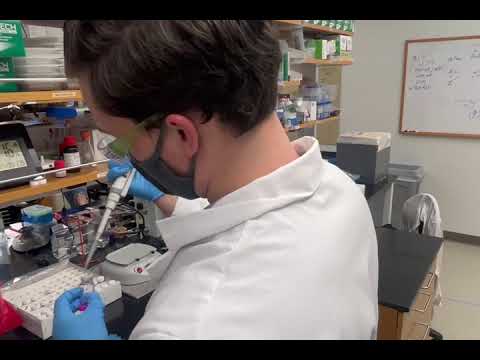
You know that moment when you accidentally mix vinegar and baking soda? Boom! Instant volcano, right? It’s like science magic happening right in your kitchen.
Well, imagine taking that spark of curiosity and turning it into a full-blown career. That’s where chemical engineering comes in. It’s about creating solutions, understanding reactions, and maybe even saving the world one experiment at a time.
At Vanderbilt, they’re not just crunching numbers or memorizing formulas. They’re diving into real-life problems and figuring out how to tackle them with science. Sounds cool, huh?
So let’s chat about what makes their chemical engineering programs so special. Seriously, there’s a lot going on!
Exploring Vanderbilt University’s Chemical Engineering Program: A Comprehensive Overview
Vanderbilt University’s Chemical Engineering program offers a solid blend of theory and practical application. You’ll find that it’s designed not just to teach you about molecules and reactions, but also to prepare you for real-world challenges. The curriculum emphasizes critical thinking, problem-solving, and teamwork—skills that really come in handy in the field.
First off, the **faculty** is a major highlight. They’re not just professors; many are actively involved in cutting-edge research. That means when you study there, you’re learning from people who are pushing the boundaries of what we know about chemical processes and materials. It’s pretty inspiring to be around such passionate individuals.
In terms of courses, students typically start with foundational classes like thermodynamics and fluid mechanics. These subjects might sound heavy, but they’re essential for understanding how substances behave under different conditions. Then as you move forward, you’ll tackle more advanced topics such as chemical reaction engineering and transport phenomena.
Vanderbilt also puts a lot of emphasis on research opportunities. Undergraduates often have the chance to work alongside graduate students or faculty on exciting projects. Imagine being part of a team working on ways to make biofuels more efficient! That hands-on experience is invaluable.
There’s also a focus on interdisciplinary learning. You might collaborate with students from environmental science or mechanical engineering on projects that address complex issues like climate change or renewable energy solutions. This kind of teamwork not only enriches your education but also helps build networks that can be super useful later.
Furthermore, the university offers various resources like labs equipped with state-of-the-art technology for practical experiments. Having access to these facilities can really enhance your learning experience and help you understand complex concepts better.
What’s really cool is that Vanderbilt encourages students to get involved outside the classroom too. There are plenty of clubs and organizations related to chemical engineering where you can meet other students who share your passions, engage in discussions, or even organize events that relate back to your studies.
One thing worth noting is the **career support** available for graduates. The program works closely with industry leaders to ensure you’re ready for whatever comes next after college—whether it’s further studies or stepping directly into the workforce.
In sum, Vanderbilt University’s Chemical Engineering program is structured to not only give you a solid understanding of essential scientific principles but also prepares you for real-life applications in an ever-evolving field. So if you’re passionate about chemistry and want to make an impact, this could be an interesting avenue for you!
Evaluating the Value of a Chemical Engineering Degree in 2025: Career Prospects and Industry Trends
So, you’re thinking about a degree in chemical engineering, huh? That’s a pretty solid choice! Let’s chat about what the landscape looks like in 2025 concerning career prospects and industry trends. You might find it helpful for figuring out if this path aligns with your goals.
Job Demand
One of the biggest things to consider is job demand. Chemical engineering has historically been a strong field, and it’s not slowing down anytime soon. Industries like pharmaceuticals, energy, and environmental science are booming right now.
- Pharmaceuticals: With an aging population and a growing need for innovative treatments, chemical engineers will play crucial roles in drug development.
- Energy Sector: You’ve probably noticed the buzz around renewable energy. Chemical engineers are key players in creating more efficient ways to produce and store solar and wind energy.
- Environmental Solutions: As we grapple with climate change, there’s an increasing need for sustainable chemical processes. Companies are looking for engineers who can innovate greener methods.
And hey, think about companies that focus on developing materials that can withstand extreme conditions or that help in waste reduction! It’s exciting stuff.
Salary Expectations
Next up: money talks! A degree in chemical engineering often leads to some nice financial rewards. According to recent data, the average salary for a fresh graduate hovers around $70,000 per year. And with experience? That can jump significantly!
- A mid-level chemical engineer could see salaries between $85,000 to $110,000.
- If you move into management or specialized fields like process design or product development? You’re looking at six figures!
Just picture yourself working on groundbreaking projects while making good bank—sounds pretty nice, right?
Skills Needed
Now let’s talk skills because having a degree is only part of the equation. You’ll want to be sharp on:
- Coding Skills: Yup! Programming is becoming more important in this field. Knowing things like MATLAB or Python can definitely give you an edge.
- Critical Thinking: You’ll need to solve complex problems creatively every day.
- Collaboration: Many projects require teamwork across various disciplines. Being able to communicate effectively is key!
Honestly, it feels rewarding when you see how your work fits into the larger picture—like piecing together a giant puzzle!
The Impact of Technology
Oh! And don’t forget about technology trends shaping this field in 2025. Artificial intelligence (AI) and machine learning are changing how processes get designed and optimized.
Imagine using AI algorithms to predict outcomes from new chemical reactions—pretty cool stuff! This tech isn’t just helping efficiency; it’s leading us toward breakthroughs we can’t even imagine yet.
Although there may be fears about automation taking jobs away—it’s more likely that tech will create new roles requiring different skill sets rather than wipe out existing ones.
Your Network Matters
Finally, building connections during your studies can’t be stressed enough. Networking can lead you straight into internships and job opportunities after graduation!
From career fairs at your university to online platforms like LinkedIn—being proactive is crucial. Seriously, it always helps to know someone who knows someone!
So there you have it—a glimpse into what studying chemical engineering could mean for you by 2025. It looks promising if you’re passionate about innovation and problem-solving while contributing positively to society!
Exploring Vanderbilt’s Chemical Engineering Program: Innovating the Future of Science
Sure, let’s talk about Vanderbilt’s Chemical Engineering program. It’s a field that has a huge impact on our daily lives, from the products we use to the energy we consume. So, what makes this program stand out?
First off, innovation is at the heart of chemical engineering. These folks are not just crunching numbers; they are creating solutions to real-world problems. Think about it—everything from pharmaceuticals to clean energy relies on chemical engineers’ expertise. You know, I once met an engineer who worked on developing more efficient solar panels. It was so inspiring to see how chemistry and engineering can come together for sustainability.
- Interdisciplinary Approach: One cool aspect of Vanderbilt’s program is how they blend different fields. Students often collaborate with those in biology, materials science, and even economics. This mix enriches learning and sparks creativity.
- Research Opportunities: The hands-on research available is pretty impressive. Students get to work on cutting-edge projects that could lead to breakthroughs in various industries.
- State-of-the-art Facilities: The labs and resources at Vanderbilt are designed for exploration and innovation. Being able to experiment with advanced technology makes a big difference in education.
- Strong Community: There’s a tight-knit atmosphere among students and professors alike. Small class sizes mean more personalized attention, which really helps you connect with the material—and your peers.
Now let’s talk about what you might learn while you’re in this program. Core subjects like thermodynamics or reaction engineering might sound daunting at first, but they’re essential for grasping how chemical processes work—like how fuel gets converted into energy.
And the faculty? They’re conducting important research which means students can learn from their experiences firsthand. Imagine being able to discuss real applications of theory right in class!
Also notable is their focus on sustainability. Many projects align with making processes greener or finding alternative resources that reduce harmful impacts on the environment.
In short, Vanderbilt’s Chemical Engineering Program isn’t just about crunching numbers; it’s about crafting solutions for a brighter future through science and collaboration! Whether you’re interested in renewable energy or healthcare innovations, there’s something here for everyone looking to make an impact. How awesome is that?
So, you know, when we think about how science really gets pushed forward, it’s like a big puzzle where every piece counts. Vanderbilt’s Chemical Engineering programs play a unique role in this. I remember an old friend of mine who was super passionate about chemicals and materials; he would always geek out over how small changes in formulas could lead to huge breakthroughs. His excitement made me realize just how interconnected everything is.
At Vanderbilt, students are diving deep into the world of chemistry, engineering, and even biology. They’re not just confined to textbooks—oh no! These programs encourage hands-on experiences that let them experiment with real-world problems. It’s kind of like mixing different flavors when cooking; sometimes you need that pinch of this and a dash of that to create something amazing.
You’ve got folks tackling issues like pollution and energy efficiency. It’s inspiring to think about young minds coming together to collaborate on sustainable solutions! Imagine being part of a team figuring out how to turn waste into useful products. That spark of creativity is contagious, right?
While there are certainly challenges—like navigating complex equations or late nights working on group projects—the journey is rewarding. Students learn not just from professors but also from each other, sharing insights and those little “aha” moments that really stick with you.
Those connections they form may last well beyond their time at Vanderbilt. Networking can lead to collaborations down the road that’ll help push scientific boundaries even further! And let’s be honest: sometimes it’s those late-night conversations over coffee that lead to the next big idea.
So yeah, advancing science isn’t just about what you study; it’s about who you meet along the way and the experiences they share together. Programs like these are paving the way for future innovators who will no doubt make positive changes in our world—and that’s pretty exciting if you ask me!