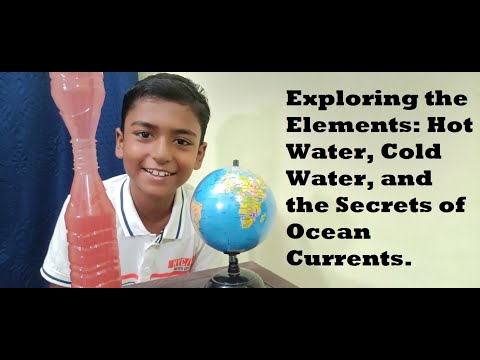
Ever tried to swim in the ocean and wondered why one side feels like a warm bath while the other side’s like ice? Yeah, that’s all about those sneaky ocean currents.
So, imagine this: you’re at the beach, splashing around, and suddenly you hit a patch of freezing water. It’s like nature’s way of saying, “Surprise!” But what causes these hot and cold water zones anyway?
Basically, it’s all about movement. The ocean isn’t just sitting there looking pretty—it’s got a whole system going on under the surface. These currents are not just fascinating; they affect our weather patterns and marine life too.
Stick around while we unravel how these warm and cold waters dance across our oceans!
Understanding Ocean Currents: The Movement of Cold and Warm Water in Marine Science
Ocean currents are pretty much the highways of our oceans. Just like cars zooming down a road, water flows through the vast expanses of the sea in different patterns, driven by various forces. Understanding these currents is essential because they impact everything from climate to marine life.
So, what causes these currents? Well, the main drivers are wind, the Earth’s rotation, temperature differences, and salinity levels. It’s like a big dance party where every element influences the rhythm.
- Wind: When wind blows over the ocean’s surface, it creates waves and pushes water along with it. Imagine blowing across a bowl of water; you see how it moves? That’s similar to how winds move surface waters.
- The Coriolis Effect: This is a fancy term that describes how the Earth’s rotation influences moving objects. In simple terms, it causes currents to curve instead of moving in a straight line. So, in the Northern Hemisphere, currents turn right and in the Southern Hemisphere, they turn left.
- Temperature Differences: Warm water is lighter than cold water. So when warm water rises at the equator and cold water sinks at the poles, you get vertical movement too! This process helps mix nutrients throughout different ocean layers.
- Salinity: The saltiness of seawater affects its density as well. Water with more salt is denser and sinks whereas fresher (less salty) water floats on top.
These currents play a massive role in regulating our climate! For example, take the Gulf Stream in the Atlantic Ocean—this warm current transports heat from tropical areas up towards Europe. Without it, Europe would be much colder! Can you imagine London with Arctic temperatures? Yikes!
Now flip this around: cold currents can also influence things significantly. The California Current brings chilly waters down from Alaska along America’s West Coast which cools off coastal temperatures and impacts local weather patterns.
A cool little story: did you know that sailors used these ocean currents for centuries? Back in the day—before GPS or smartphones—navigators relied on their knowledge of these watery highways to cross vast oceans safely and efficiently.
Oh! And there’s something called “upwelling,” which refers to deeper waters rising to replace surface layers as they’re pushed away by winds or currents. This process brings nutrients from deep waters right up to where marine life thrives near coasts. It’s like nature’s little buffet for fish!
So yeah! Understanding ocean currents isn’t just nerdy science; it’s super important for marine ecology and climate science too! They connect every part of our planet’s system—you see how vital these underwater rivers really are?
Exploring Ocean Currents: Key Geographic Patterns and Their Impact on Marine Science
So, ocean currents! Seriously, they’re like the rivers of the sea. These massive, flowing bodies of water are shaped by a bunch of factors—think winds, Earth’s rotation, and even temperature differences. You might think they’re just there to carry boats or keep fish moving around, but it’s much more complex than that.
First off, you’ve got **warm and cold currents**. Warm currents flow from the equator toward the poles and help regulate climate by transferring heat. Cold currents, on the other hand, come from polar regions and cool down areas they pass through. Ever heard of the Gulf Stream? It’s a famous warm current that flows from the Gulf of Mexico across the Atlantic to Europe. It makes places like England surprisingly mild for their latitude!
Now let’s talk about where these currents are found—it’s all about geography! Currents tend to form in **circular patterns** known as gyres. There are five major gyres in our oceans:
- The North Atlantic Gyre
- The North Pacific Gyre
- The South Atlantic Gyre
- The South Pacific Gyre
- The Indian Ocean Gyre
These gyres influence weather patterns and can even affect marine ecosystems! For instance, in areas where warm water mixes with cold water—like at upwelling zones—you get a nutrient-rich environment that supports tons of marine life. It’s like an underwater buffet!
Speaking of ecosystems—ocean currents play a huge role in biodiversity. They help distribute nutrients and larvae needed for coral reefs and other habitats. Picture all those tiny baby fish hitching a ride on a current to find a new home! How cool is that?
But here’s something interesting: not all ocean currents are consistent. Some change with the seasons or due to weather events like El Niño or La Niña. These shifts can have big impacts on fish populations and local economies that depend on fishing.
And then there’s climate change! As temperatures rise, ocean currents can alter their paths or speeds. This fluctuation affects everything from global weather systems to marine life migration patterns. It’s kinda scary if you think about it—the future health of our oceans hinges on these flowing waters.
So yeah, ocean currents aren’t just chillin’ out there; they’re doing some serious work influencing our planet’s climate and supporting marine ecosystems! The next time you hear about them or feel them while at sea or at the beach, remember there’s so much more going on beneath the surface than meets the eye!
Understanding Wind-Driven Ocean Currents: A Comprehensive Overview of Surface Currents in Marine Science
So, wind-driven ocean currents are pretty cool once you start to look into them! Basically, they’re massive rivers in the ocean that flow at the surface. The wind blows across the water and, like magic, it gets everything moving. You might be wondering how this works exactly. Well, let’s break it down.
First off, wind doesn’t just poke the ocean’s surface; it actually pushes on the water molecules. This creates movement. But not all currents are created equal! Some go really fast while others creep along like a sleepy tortoise.
The main factors affecting these currents include:
- Wind speed: Stronger winds mean faster water movement.
- Wind direction: If the wind blows from the north, it can push water south.
- Coriolis effect: Because Earth is round and spins, moving air and water is deflected to the right in the Northern Hemisphere and to the left in the Southern Hemisphere.
Now, why do we care about these currents anyway? Well, they play a major role in our climate! For example, warm currents can heat regions they pass through. Think about places like Western Europe—a lot of their mild weather comes from warm currents flowing up from tropical areas.
You’ve likely heard of The Gulf Stream. It’s one of those famous warm-water currents that starts in Florida and flows all the way up towards Europe. It’s like Mother Nature’s heater for that region!
On the other side of things, you have cold currents, which can really cool an area down. The California Current is a classic example; it brings cooler waters from Alaska down along California’s coast. You feel that brisk air? Yep, that’s partly thanks to this current!
<pThe importance of these currents isn’t just weather-related though! They also impact marine life by transporting nutrients across vast distances. So when you think about fish populations or coral growth areas, a lot depends on where these currents flow.
Your personal experience with ocean trips or beach days might give you a taste of how crazy current flows can be! I remember visiting a beach where my friends and I attempted to swim against a strong current—let’s just say we ended up going sideways instead! It’s wild how much power lies within these seemingly calm-looking waters!
This whole system is super interconnected as well. Wind-driven surface currents affect deeper ocean layers too because as they move, they create upwelling or downwelling zones. This means cold deep waters can rise to replace warmer surface waters—something crucial for marine ecosystems!
If you zoom out even further and look at Earth as a whole: all these different currents create what scientists call “ocean circulation.” It’s like our planet has its own heart pumping water around! How amazing is that?
To sum things up, understanding wind-driven ocean currents helps us grasp not just local temperatures but also global climate patterns and marine biodiversity—all thanks to those persistent winds blowing across our oceans!
You know, when you spend a day at the beach, it’s easy to get lost in the beauty of the waves and that salty breeze. But there’s this whole unseen world under the surface that’s just mind-blowing. Ocean currents! They’re like giant rivers moving through the sea, carrying warm water from places like the equator to colder regions and vice versa.
I remember one summer, I took a trip to this little coastal town. The water was freezing at first, but as I swam further out, it suddenly got warmer. I thought maybe I was imagining things, but nope—those currents were playing tricks on me! It was such a cool feeling to realize that what I was swimming in had traveled from who-knows-where.
So let’s break it down a bit. Ocean currents are driven by wind patterns and differences in water temperature and salinity. Warm water is lighter and tends to rise above colder, denser water. This is like when you pour oil into a glass of water—the oil floats on top because it’s less dense. That’s basically what happens with ocean currents; they help redistribute heat across our planet. How wild is it that these currents can influence weather patterns too? They can make some places warm and tropical while others stay chilly.
Another fascinating aspect is how they affect marine life. Currents can carry nutrients and plankton—tiny organisms that form the base of the ocean food chain—all over the ocean. So where there’s a current rich in nutrients, you’ll find fish galore! It’s like nature’s own delivery system.
But here’s a thought: with climate change messing around with temperatures and sea levels, these currents are shifting too. That could mean big changes for ecosystems and weather patterns globally—not just somewhere far away but even in our backyards!
So yeah, next time you’re splashing around at the beach or even just watching waves crash against rocks from afar, think about those invisible highways beneath you. They’re not just an interesting science topic; they’re vital for life as we know it—and maybe they’ll spark your curiosity to learn more about what lies beneath those beautiful waves!
</p