You know that moment when you step outside, take a deep breath, and then start coughing like you just inhaled a dust cloud? Yeah, that’s pollution for you. It’s like that unwelcome party crasher no one invited but somehow shows up every single time.
So, pollution isn’t just one thing; it’s got a bunch of different flavors. We’ve got air, water, soil, and noise pollution—all wreaking havoc in their own special way. Each type has its quirks and impacts that are kinda mind-boggling if you really think about it.
Let’s peel back the layers on these four troublemakers and see how they mess with our planet—and us! So buckle up!
Exploring the Four Types of Pollution: Their Impact on Environmental Science and Human Health
Alright, let’s chat about pollution. You probably know that it’s a big deal, right? There are four main types of pollution that we need to pay attention to: air pollution, water pollution, soil pollution, and noise pollution. Each one has its own effects on the environment and our health. Let’s break it down a bit.
First up is air pollution. This bad boy comes from cars, factories, and sometimes even wildfires. When you breathe in polluted air, you might feel fine at first, but it can lead to serious issues later on—think asthma or other respiratory problems. It’s not just your lungs that suffer; heart health can also take a hit. You know that hazy smog you see in big cities? Yeah, that’s air pollution at work.
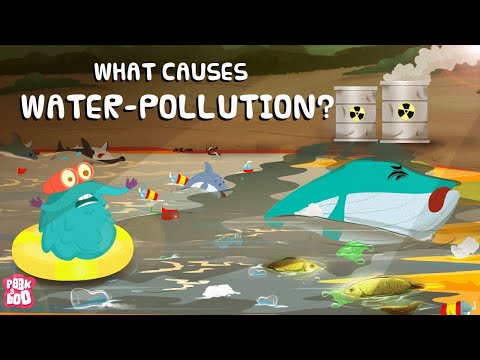
Next on the list is water pollution. This happens when harmful substances like chemicals or waste end up in our rivers, lakes, and oceans. Imagine swimming in a beautiful lake only to find out it’s contaminated with pesticides or heavy metals—yikes! Waterborne diseases can spread quickly through dirty water too. Just think of places where people are struggling to get clean drinking water; it really puts things into perspective.
Now let’s talk about soil pollution. This happens when hazardous waste or chemicals seep into the ground. It can come from farming practices using too many fertilizers or pesticides, or even from industrial spills. Dirty soil means less healthy crops and can affect food safety too. I remember hearing about communities nearby landfills dealing with contaminated soil; it really shows how far-reaching the effects can be.
Finally, we have noise pollution. Not something you think about often, right? But seriously loud sounds from traffic, construction sites, or even crowded events can lead to stress and sleep issues for folks living nearby! You’d be surprised at how much stress noise adds to our daily lives—kind of makes you want some peace and quiet!
The implications of all this are massive for environmental science. Pollution disrupts ecosystems, and all these types work together in ways we may not fully understand yet. Animals might lose their homes due to contaminated habitats; plants struggle without clean soil and air. The cycle continues because if nature suffers, so do we.
You see how every type of pollution connects back to our health? It’s kind of chilling if you think about it! Staying aware of these issues leads us toward better solutions for both humans and the planet.
Exploring the Four Types of Environments in Scientific Study: A Comprehensive Overview
When we talk about environments in scientific study, we’re often diving into some pretty serious stuff. Basically, there’s a lot to unpack. You may not know this, but environments can vary widely, especially when we consider pollution. So, let’s break down the four main types of environments related to pollution and their scientific implications.
1. Air Pollution is probably one of the most well-known forms of pollution. Ever walked through a foggy city and thought it looked beautiful? Yeah, well that fog could be full of pollutants! Things like smoke from factories and car exhaust fill our air with harmful particles. This can lead to serious health problems like asthma or even long-term lung damage. Scientists study air quality by measuring pollutants like carbon monoxide and particulate matter, which help us understand how clean or dirty the air really is.
2. Water Pollution, oh man, this one hits home too! Imagine you’re at a lake, ready to have a picnic or go swimming, but then you see that gross green film on the surface. That’s usually algae proliferating because of runoff from fertilizers and sewage. The thing is, polluted water can affect entire ecosystems and humans alike—think fish with weird mutations or even contaminated drinking water that leads to diseases! Scientists often analyze water samples for bacteria, heavy metals, and various chemicals to assess how bad things really are.
3. Soil Pollution might not seem as flashy as air or water pollution but trust me; it’s just as significant. Our soil holds nutrients that our plants depend on, so when it gets polluted with pesticides or heavy metals, it can dramatically affect food quality. Remember that fresh salad you love? If the ground it’s grown in is tainted, you might be munching on something unhealthy without even knowing it! Experts study soil composition and contamination through sampling techniques that reveal levels of harmful substances in our earth.
4. Noise Pollution doesn’t involve physical contaminants like the other types but can still mess with our health big time! Think about living next to a busy road—it’s noisy all day long. Chronic noise can lead to stress-related issues like anxiety or sleep problems—even high blood pressure! Researchers measure sound levels using specialized equipment, helping us understand how noise contributes to our overall well-being.
You see? Each type of environment linked to pollution offers its unique challenges for scientists and society alike. Understanding them helps us make informed choices about conservation efforts and policies aimed at protecting our planet.
If you ever find yourself touching on these topics in conversation—maybe over coffee—remember how interconnected everything is when it comes to environments and pollution!
Understanding Pollution Science: Key Concepts and Impacts on Environmental Health
Pollution is one of those things that, like, you can’t really escape, right? It’s all around us and affects everything from the air we breathe to the water we drink. So let’s take a closer look at the four main types of pollution: air, water, soil, and noise. Each type has its own quirks and impacts on our environment and health.
Air Pollution is probably the most talked about. It involves harmful substances like smoke, dust, or chemicals in the atmosphere. You know when you see that hazy skyline? That’s usually not a good sign! One big source is vehicle emissions—think cars and trucks spewing out exhaust fumes. These pollutants can lead to respiratory issues like asthma or even heart disease.
Water Pollution, on the other hand, happens when harmful contaminants get into our rivers, lakes, or oceans. This can come from industrial waste being dumped directly into water bodies or runoff from farms loaded with fertilizers and pesticides. Imagine how many fish are affected by this! Water pollution doesn’t just harm aquatic life; it also endangers humans who rely on clean water for drinking or farming.
Then there’s Soil Pollution. This type often gets overlooked but is super important too. It occurs when hazardous substances like heavy metals or chemicals seep into the ground. For example, if a factory spills oil or uses pesticides carelessly, it can drastically affect soil quality. And that means food grown in that soil might also be contaminated! Not exactly appetizing.
Finally, we can’t forget about Noise Pollution. While it might seem less tangible than others, constant loud sounds—like traffic or construction noise—can have serious effects on our mental health and well-being. Studies have shown it can lead to stress-related issues like anxiety or sleep disturbances. Ever tried sleeping with traffic zooming by? Yeah, not cool!
So there you have it—the four main types of pollution! Each has unique sources and consequences that impact not just our environment but also our health as individuals and communities. Understanding these concepts helps us appreciate why tackling pollution isn’t just an environmental issue; it’s a public health concern too.
And remember: small changes in our daily lives can make a big difference in reducing these pollutants!
Pollution is like that uninvited guest at a party, you know? You don’t really want it there, yet it shows up in various forms and makes things messy. Let’s sort through four types of pollution—air, water, soil, and noise—and see what’s going on with them.
First up is air pollution. I remember as a kid when my family went on a road trip and we drove through smog-filled cities. It was kind of eerie; the sky looked gray and heavy, almost like it had a mood. Air pollution mainly comes from cars, factories, and burning fossil fuels. It messes with our breathing and can lead to some serious health problems like asthma or worse. The scientific implications here are huge; we’re talking about climate change too! More greenhouse gases mean more warming planet.
Water pollution? Oh man, that one hits home too! I grew up near a river where we used to fish. One summer, I noticed fewer fish and weird foam on the surface. Turns out, all that runoff from farms—like fertilizers and pesticides—can end up in our streams and lakes. When water gets polluted, it not only affects aquatic life but can also harm us if we drink contaminated water or eat the fish from there.
Then there’s soil pollution. Picture this: your favorite park becomes a landfill because people throw trash around without thinking twice! Chemicals from pesticides or waste can seep into the ground and affect plants growing there. If you eat those veggies grown in polluted soil? Well, you could be ingesting those nasty chemicals too! Scientists study this stuff because healthy soil is essential for food production—not to mention keeping ecosystems balanced.
Last but not least is noise pollution—it might seem less serious at first glance but think about living next to constant honking or loud construction sounds all day long. It can really wear you down! Chronic exposure can mess with your sleep patterns or stress levels even without you noticing it straight away.
So yeah, each type of pollution has its own set of troubles tied to science and health implications that ripple through our lives in ways we may not even see at first glance. Keeping an eye on these types makes us appreciate nature more—you want clean air to breathe, fresh water to drink, fertile land for food…and peaceful places to enjoy being alive!