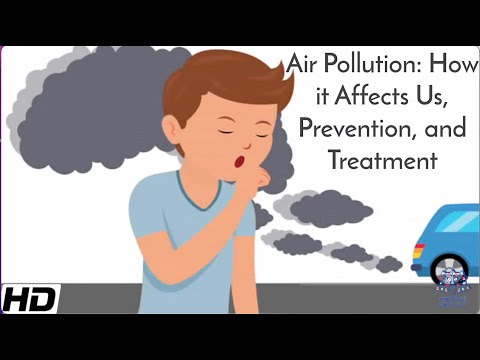
So, imagine this: you’re walking down the street on a sunny day, the birds are chirping, and suddenly you catch a whiff of something that smells like burnt rubber mixed with a rotten egg. Ugh, right?
Well, that’s just one tiny taste of air pollution. It’s sneaky. It hangs around like an unwelcome guest at a party—no one invited it, but there it is, messing things up!
Air quality isn’t just about those hazy gray days; it’s about what we breathe in every single day. And believe me, it can mess with our health in ways we often don’t even realize.
You know how sometimes you feel sluggish for no reason? Or maybe you get allergic reactions more often than you’d like? There’s more to that than just the changing seasons. Air pollution might be one of the culprits lurking behind the scenes.
Let’s chat about what actually goes into our air and how it affects us. Spoiler alert: It’s not pretty!
Exploring the Impact of Air Pollution on Public Health: Scientific Insights and Implications
So, let’s talk about air pollution and how it messes with our health. You might think of smoggy skies or that annoying smell when you get stuck in traffic, but there’s a lot more going on under the surface. Seriously, it’s bigger than just a bad day outside.
Air pollution isn’t just an eyesore; it’s a major player in health issues globally. People breathe in tiny particles, gases, and other yucky stuff that can cause all kinds of problems. But what exactly are we talking about? Well, let’s break it down.
First off, there are particulate matter (PM). These are basically tiny specks floating around that can get deep into your lungs and even sneak into your bloodstream. There are two common types: PM2.5 and PM10. The numbers refer to their size – PM2.5 is super small and really concerning because they can go deep inside your lungs. It’s like inviting someone to your house who overstays their welcome!
Then we have nitrogen dioxide (NO2), which often comes from car exhaust or industrial activity. Exposure to NO2 can lead to respiratory issues like asthma—think of that wheezing you hear when someone has a bad allergy attack.
Now consider ozone (not the good kind you hear about protecting us high up in the atmosphere). Ground-level ozone is created by sunlight reacting with other pollutants, mostly from vehicles and power plants. This stuff can make your throat hurt and even mess with your lungs if you’re exposed for too long.
So what does this mean for our health? Well:
- Respiratory diseases: Air pollution contributes to conditions like asthma and chronic obstructive pulmonary disease (COPD). People living in polluted areas often find it harder to catch their breath.
- Cardiovascular problems: Studies show that long-term exposure can lead to heart attacks and strokes because those tiny particles get into your blood and mess with your heart.
- Cancer risk: Weirdly enough, inhaling polluted air has been linked to lung cancer as well! It’s like every breath could be loaded with risk.
- Mental health: Believe it or not, there’s emerging research suggesting that poor air quality might be linked to anxiety and depression too.
You know how they say “what goes up must come down”? Well, pollution doesn’t follow those rules—it hangs around longer than you’d expect. The effects aren’t confined just to the outdoors either; indoor air quality is also a biggie! If you’re burning candles or using certain cleaning products at home—that can release harmful chemicals too.
And here’s where it gets emotional for me: I once visited a city where smog hung over like an unwelcome guest at dinner. Seeing people carrying inhalers while trying to enjoy time outside really hit home for me. Air should be clean—it should nourish us!
So what do we do about all this? It feels overwhelming sometimes, right? But lowering emissions from vehicles, supporting cleaner energy sources—like wind or solar—and even planting trees help combat this issue bit by bit.
In short, air pollution isn’t just a minor inconvenience; it’s a serious concern for public health worldwide. We should care about it not only because it affects us individually but because collective efforts could clear the air for everyone!
Air Quality and Public Health: Analyzing the Scientific Implications of Environmental Pollution
Alright, let’s chat about air quality and how it messes with our health. You probably don’t think about the air you breathe all that much, right? It’s just there. But, hold up! The air can be full of all sorts of nasty stuff that can really impact how we feel and function in our day-to-day lives.
Air pollution comes from a lot of places, like cars, factories, and even wildfires. When these things release harmful substances into the air, it leads to what we call poor air quality. And when we breathe in polluted air, our bodies can react in some pretty unpleasant ways.
- Respiratory Issues: Ever notice how some days you just can’t seem to catch your breath? That could be pollution playing tricks on your lungs! Asthma and other breathing problems can get worse when the air is full of pollutants like particulate matter (PM) or ozone.
- Heart Problems: It’s not just about your lungs; our hearts take a hit too. Studies show that long-term exposure to polluted air increases the risk of heart attacks and strokes. Crazy, right?
- Cognitive Effects: Believe it or not, pollution doesn’t stop at physical health. Research suggests it might even mess with our brains! Some studies hint at links between poor air quality and conditions like anxiety or depression.
You may have heard about Pittsburgh’s early industrial days. It was known for its smoggy skies due to heavy coal use. People suffered from terrible respiratory issues back then – not fun at all! Thankfully, efforts were made over the years to clean up the act there, but it highlights how pollution can shape public health narratives over time.
The young ones are especially vulnerable too. Kids breathe more rapidly than us adults and their bodies are still developing. If they’re exposed to polluted air regularly, they might face hurdles like delayed lung development or increased asthma rates later on. It’s scary stuff when you think about it!
Now let’s talk about solutions because we can’t just sit around moping about bad air! Cities are starting to invest in public transport options and clean energy sources. There’s also a push for stricter regulations on emissions from industries. You know, little changes can make a big difference if we all pitch in together!
The thing is—air quality isn’t just an environmental issue; it’s a **public health crisis** waiting to happen if we’re not careful. So next time you’re out and notice that weird haze in the sky or smell something funky outside—take a moment to think about what’s going into your lungs.
You feeling me? Let’s keep talking about this because it’s super important for everyone—even if we aren’t scientists by trade!
Understanding the Public Health Impacts of Air Pollution: Key Scientific Insights
Air pollution is more than just a hazy day or that annoying smell from the traffic. It’s a serious issue that affects our health in ways we often don’t see. Understanding the public health impacts of air pollution can help us realize why clean air is so vital.
To start, let’s break it down. Air pollution mainly comes from vehicles, factories, and even natural sources like wildfires. The main culprits include particulate matter (PM), nitrogen dioxide (NO2), and sulfur dioxide (SO2). You know those tiny particles floating in the air? They’re not just invisible annoyances; they can get deep into our lungs and bloodstream.
So, what does this mean for our health? Well, studies have shown that long-term exposure to polluted air can lead to serious conditions like asthma, heart disease, and lung cancer. Think about asthma attacks as the body’s reaction to those pesky pollutants. Kids are particularly vulnerable since their lungs are still developing.
Then there’s mental health to consider. Emerging research suggests a link between poor air quality and mental disorders like anxiety and depression. Imagine trying to focus on a school project while you’re coughing or feeling fuzzy-headed—air pollution doesn’t just mess with your body; it can cloud your mind too.
Now let’s get more specific about those key pollutants.
- Particulate Matter (PM): These are tiny bits of dust or soot that can penetrate our lungs and enter the bloodstream, causing inflammation.
- Nitrogen Dioxide (NO2): Mainly from cars, this gas irritates your lungs and lowers immunity against respiratory infections.
- Sulfur Dioxide (SO2): Often produced by burning fossil fuels, it contributes to acid rain and respiratory problems.
The effects are not just individual; they ripple through communities. High levels of air pollution often correlate with lower socioeconomic status. Areas with less green space or higher industrial activity usually suffer more from bad air quality. It’s like a cycle: poor air health leads to poor community health.
But hey, it’s not all doom and gloom! There are steps we can take as individuals and communities to improve air quality. Reducing car usage by biking or walking makes a huge difference! Even simple actions like planting trees can help absorb harmful pollutants.
In short, keeping an eye on air quality isn’t only for environmentalists—it’s essential for our daily lives and well-being. So next time you step outside, remember you’re breathing in more than just fresh air; you’re investing in your health! Whenever you hear news about pollution levels or regulations being put into place, think of how they relate directly to your well-being—and that’s seriously important stuff!
Air quality pollution is, you know, one of those things that doesn’t always get the attention it deserves. But seriously, the air around us can be a real health hazard. I remember one time when I was visiting a city known for its smog—like, you could almost see the air! It felt heavy, and honestly, it made me cough just walking around. That experience really brought home how vital clean air is for our well-being.
So here’s the thing: when we talk about air pollution, we’re referring to all those nasty substances floating around in the atmosphere. We’re talking about dust, smoke from vehicles or factories, and even chemicals that come from things like paints and cleaning products. Over time, being exposed to this junk can lead to serious health problems. You might think of asthma or other respiratory issues right off the bat! But it doesn’t stop there; research has shown links between poor air quality and heart disease too.
It’s kind of unsettling when you think about how our daily lives connect to this issue. Like, take a moment while you’re outside—do you smell something off? Is that a hint at something bigger going on? And get this: children are particularly vulnerable because their lungs are still developing. Imagine kids growing up in polluted areas; it’s heartbreaking!
But here’s where it gets interesting—people are becoming aware of these issues more than ever before. Communities are coming together to demand cleaner air and better policies from governments. Of course, change takes time but every little step counts! The more we learn about how pollution affects us directly—from headaches and allergies to long-term diseases—the more motivated we might feel to make some noise about it.
So yeah, next time you step outside or catch a whiff of that fresh breeze (or not-so-fresh), remember that what we’re breathing in really matters for all of us. Clean air isn’t just a luxury; it’s pretty essential for living healthy lives. And who doesn’t want that?