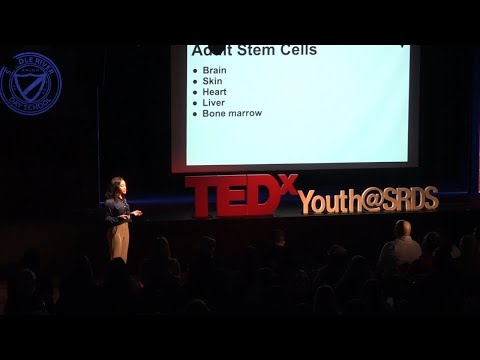
Okay, so imagine this: you’re chilling at a friend’s baby shower, surrounded by cute onesies and cake. Then someone starts talking about amniotic cells. Seriously? At a party? But hold on a second—these little guys are actually super cool!
Amniotic cells are like the hidden heroes of regenerative medicine. They hang out in the amniotic fluid surrounding babies before they’re born. You know, all that gooey stuff nobody really thinks about until it becomes important for science.
But here’s the kicker: those same cells have some crazy potential to help heal injuries and treat diseases later on in life. I mean, who knew that something so weird could pack such a punch? Let’s dig into how these tiny cells are making huge waves in medicine!
Understanding the Harvesting Process of Amniotic Stem Cells in Modern Science
Amniotic stem cells are a fascinating topic in modern science, especially when we talk about their role in regenerative medicine. So, let’s break down this whole harvesting process and why it’s important.
First up, **what exactly are amniotic stem cells?** Well, they’re a type of stem cell found in the amniotic fluid which surrounds a developing fetus during pregnancy. This fluid isn’t just there for cushion; it contains these cells that can turn into various types of tissue. It’s super cool because they have the potential to help with healing and repairing damaged tissues in adults.
Now, let’s chat about the **harvesting process**. To get these cells, doctors usually collect them during a procedure called amniocentesis. This is where a needle is inserted through the abdomen into the amniotic sac to withdraw some of that fluid. It sounds a bit intimidating, but keep in mind it’s generally safe and done when necessary for prenatal tests. The cells are then separated from the fluid and can be stored or used right away.
Why are these cells so special? For one, they’re less controversial than other sources of stem cells because their extraction doesn’t harm anyone—like embryos or fetuses. Plus, they have some unique qualities like being able to grow into various types of tissues and having low chances of being rejected by the body after transplantation.
So what happens next with these harvested cells? After they’re collected, scientists need to culture them—basically giving them an environment where they can grow and multiply. They use specific nutrients and conditions to help those little guys thrive. Once they’ve got enough of them growing strong, researchers can start experimenting with how best to use them for treatments.
For instance, amniotic stem cells hold promise for treating conditions like spinal cord injuries or heart disease. Imagine someone who has damaged their spine; scientists believe injecting healthy tissue created from these stem cells could potentially help restore function.
It’s not just all science fiction either! There are already some clinical trials out there looking at these possibilities. People with certain injuries or diseases might someday benefit from treatments developed using amniotic stem cells.
But wait! This field isn’t without challenges. For one thing, scientists need to figure out the best ways to guide these stem cells into becoming the right type of tissue needed for specific injuries or diseases. That process is still being explored today.
So yeah, the whole process—from collection to culturing—plays a huge role in how viable amniotic stem cells become as tools in regenerative medicine. And while we’re not quite there yet where every injury can be fixed with a simple injection of these wonder-cells, each study brings us closer!
In summary:
- Amniotic stem cells come from amniotic fluid surrounding fetuses.
- The harvesting involves withdrawing this fluid safely during procedures like amniocentesis.
- They’re less controversial than other types of stem cells.
- Their potential includes treatments for things like spinal cord injuries and heart damage.
- This field has challenges yet holds incredible future possibilities.
Isn’t it amazing what science is doing? 💡 We’re really on an exciting journey here!
Advancements in Amniotic Fluid Stem Cells: Unlocking Potential for Regenerative Medicine and Therapeutic Applications
Amniotic fluid stem cells have been creating quite a buzz lately, and for good reason! Nestled in that protective bag of water surrounding a fetus, these little guys are like hidden treasure chests for regenerative medicine. They hold an amazing potential that researchers are only beginning to tap into.
First off, what exactly are amniotic fluid stem cells? Well, they’re a type of stem cell isolated from the amniotic fluid—yep, that fluid that cushions babies in the womb. These cells have some remarkable properties. They can turn into many different types of cells in the body, which is pretty cool because it means they could potentially help repair damaged tissues or treat diseases.
One of the most interesting aspects of these cells is their ability to self-renew. This means they can make copies of themselves indefinitely. Imagine having an army of identical twins at your service! This self-renewal makes them super useful for creating more cells when needed.
Another noteworthy feature is their immunomodulatory properties. Basically, this means they can help modulate the immune response. So if someone has an autoimmune disease where their immune system attacks their own body, these stem cells might help put things back in balance.
You might be wondering why amniotic fluid stem cells are so special compared to other stem cell types like those from bone marrow or embryonic sources. Well, one reason is ethical considerations. Collecting amniotic fluid is much less controversial than using embryonic stem cells since it’s often done during routine prenatal procedures. Plus, there’s minimal risk involved!
Now let’s get into some cool examples of what’s happening with these amazing little cells:
- Tissue Repair: Scientists are investigating how amniotic fluid stem cells could help heal heart tissue after a heart attack.
- Neurological Disorders: There’s research looking into using these cells to treat conditions like spinal cord injuries and multiple sclerosis.
- Wound Healing: Some studies suggest they might boost healing processes for chronic wounds or burns.
Oh! And there was this moment I read about—a researcher who worked on getting these cells to help treat cerebral palsy in kids. Seeing kids improve through this work really hits home; it’s like watching hope blossom right before your eyes.
The path ahead isn’t without its bumps though. Sure, there’s tons of promise here, but we’re still figuring out how to best utilize them effectively and safely in humans. Research is ongoing and you can bet people are keeping a close eye on the developments.
In short, advancements in amniotic fluid stem cells open up new doors for regenerative medicine with lots of exciting therapeutic applications ahead. It’s all about harnessing that power tucked away in the womb to help mend our bodies when life decides to throw challenges our way! Isn’t science just wild?
Exploring Amniotic Stem Cell Injection: Innovative Applications in Regenerative Medicine
So, let’s chat about amniotic stem cell injection and how it’s shaking things up in the world of regenerative medicine. You know, those clever little cells can do some pretty neat stuff!
Amniotic stem cells are derived from the amniotic fluid that surrounds a developing fetus. This fluid is basically a cozy protective bubble. It’s rich in nutrients, proteins, and yes, those precious stem cells. The cool part is that these cells have the ability to become different types of cells in the body. They’re like those blank canvases you sometimes wish you had for your art project – ready to be transformed!
Why are they special? Well, amniotic stem cells aren’t just any run-of-the-mill stem cells. They come with some major advantages:
- Less ethical baggage: Since they’re harvested from amniotic fluid after birth, there are fewer ethical concerns compared to embryonic stem cells.
- Better immune compatibility: These cells have a lower chance of being rejected by the body. They can kinda sneak in under the radar!
- High proliferation rate: They can grow and multiply rapidly while maintaining their ability to change into different cell types.
Now here’s where it gets exciting: regenerative medicine aims to repair or replace damaged tissues or organs. Amniotic stem cells could play a starring role here! Imagine if we could use them to heal serious injuries or degenerative diseases? It’s like living out one of those sci-fi movies!
For example, concrete applications include treating conditions like osteoarthritis. Studies are showing that injecting these little heroes into damaged joints can reduce inflammation and promote healing. People dealing with chronic pain might find relief through this approach.
And there’s more! Research also suggests that they could help with heart damage after a heart attack by promoting tissue regeneration and improving function—like giving your heart a reboot.
But wait, there’s still so much we don’t know about how these injections work at a detailed level—or long-term effects for that matter. Like any cool new tech, it takes time to see its full potential.
The scientific community is buzzing about the possibilities but also keeps it real with caution. The thing is you want to make sure it’s safe and effective before going all out with treatments.
So yeah, exploring amniotic stem cell injections opens up some wild avenues in regenerative medicine! While we’ve only scratched the surface on understanding their full capabilities (and maybe still learning how not to mess things up), it does feel like we’re on the edge of something promising—like finally finding a solution to those puzzles we’ve been grappling with for ages.
In short: this area is blossoming with potential but demands thoughtful research as we head deeper into uncharted territory! Exciting times ahead for medicine, right?
You know, it’s kind of mind-blowing to think about how our bodies work, right? I mean, take amniotic cells. These little guys are found in the amniotic fluid that surrounds a developing fetus. It’s like nature’s own protective bubble! But what’s even cooler is their potential role in regenerative medicine.
I remember this one time when a friend of mine had a pretty serious injury while playing soccer. He was devastated and thought that his chances of getting back to the sport he loved were pretty slim. That’s when we came across something about stem cells, including those from amniotic fluid, and how they might help heal injuries much faster than traditional methods. I got really fascinated by the idea that cells taken from what’s essentially “baby bathwater” could help fix damaged tissue in grown-ups!
Amniotic cells are known for their special properties; they’re super versatile and can develop into different types of tissues, which makes them hot contenders for research in healing wounds or even regrowing organs someday! Imagine getting a new knee or part of your heart just because these magical little cells can turn into whatever your body needs at that moment. Seriously, it feels like we’re living in some sort of sci-fi movie!
But here’s the kicker: using these cells isn’t without its challenges. There are ethical dilemmas and lots of technical hurdles too. Not everyone is on board with using them, so there’s always this balancing act between exploring new frontiers in science and keeping everything above board.
In casual discussions with friends or family over coffee, I find myself talking about the wonders of science—like amniotic cells—and their potential to change lives. It’s inspiring! We’re slowly pulling back the curtain on what our bodies can heal and regenerate—a real game-changer for all sorts of medical conditions.
So yeah, as we continue to explore regenerative medicine with these remarkable little guys, who knows what other breakthroughs await us? Keep your fingers crossed!