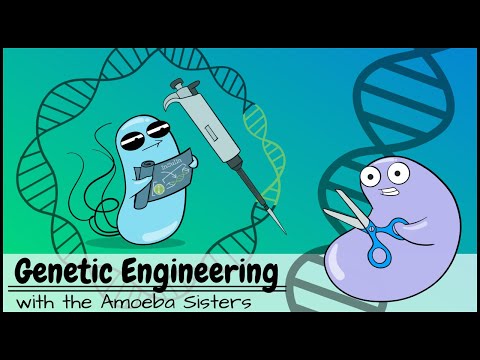
You know, I once read somewhere that bacteria are like tiny little superheroes. Seriously! They can do stuff we can only dream of, like eat oil spills or even help us digest our food. Crazy, right?
But what’s even cooler is how we’ve been getting to know these microscopic champs a lot better lately. I mean, advancements in bacterial genetics are opening up possibilities that sound like science fiction!
Think about it: modifying bacteria to produce medicine or even tackle environmental issues? It’s wild. Isn’t it amazing how these little guys have the potential to change the game in so many ways?
Anyway, let’s unpack some of the exciting things happening in this field! You’ll be surprised at just how far we’ve come and where we’re headed next.
Exploring the Applications of Bacterial Genetics in Science and Biotechnology
Bacterial genetics is, like, super cool and, honestly, it’s making waves in science and biotech. Seriously, bacteria aren’t just tiny little organisms; they’re like the superheroes of the microbial world. They can do all sorts of things that have huge implications for medicine, agriculture, and even environmental cleanup.
First off, let’s talk about genetic engineering. By tweaking bacterial DNA, scientists can create strains that produce valuable substances. For instance, some bacteria are engineered to produce **insulin**—a game changer for people with diabetes. The process involves taking the gene responsible for insulin production and inserting it into bacterial DNA using a method called **recombinant DNA technology**. This way, bacteria become mini factories churning out insulin!
Another fascinating application is in **bioremediation**. Picture this: certain bacteria can munch on oil spills or heavy metals in contaminated soil. Scientists find these hungry microbes and tweak their genes to make them even better at breaking down pollutants. It’s like giving them an upgrade so they can clean up our mess better! So when you hear about a bacteria-infused solution cleaning up an oil spill, just know there’s some serious genetic magic happening there.
And let’s not forget about the **production of biofuels**! Some genetically modified bacteria are engineered to convert plant material into ethanol or other types of renewable energy. It’s like turning trash into treasure! Instead of relying solely on fossil fuels, these little guys help us find more sustainable energy sources.
Then there’s the area of **medicine**, where bacterial genetics plays a critical role in developing new treatments and vaccines. Researchers study how bacteria evolve resistance to antibiotics through genetic changes—this is super important because it helps us understand how to combat antibiotic-resistant infections.
But here’s something else that just blows my mind: synthetic biology! With it, scientists design new biological parts or systems from scratch using the principles of engineering. They could build custom microbes that produce anything from medicines to biodegradable plastics! Imagine ordering your own tailor-made bacterium to solve specific problems—that’s next-level stuff!
So yeah, the world of bacterial genetics is buzzing with possibilities and has real-world applications that can solve our biggest challenges. Whether it’s cleaning our environment or creating life-saving medications, these tiny organisms are truly powerful allies in science and biotechnology today!
Exploring the Five Key Applications of Genetics in Modern Science
So, let’s talk about genetics and how it’s really shaping modern science. When you think about genetics, you might imagine DNA strands and maybe even some fancy lab work. But the thing is, it goes way beyond just understanding heredity. There are some amazing applications of genetics that are making waves today, especially in bacterial genetics. Here’s a look at five key areas where genetic knowledge is being put to use.
1. Medicine and Healthcare
Genetics plays a huge role in medicine, especially with things like personalized medicine. Imagine doctors tailoring treatments based on your unique genetic makeup! For example, in cancer treatment, knowing a patient’s genetic profile can guide which therapies will be the most effective. Bacterial genetics comes into play here too; scientists are developing targeted antibiotics by understanding the genetic differences between bacterial strains. This means fewer side effects and more effective treatments. Pretty cool, huh?
2. Agriculture
Then there’s agriculture—genetics is being used to create crops that can withstand harsh conditions like drought or pests. Scientists are using techniques like CRISPR (which sounds like something out of a sci-fi movie) to edit plant genes directly for better yields or nutritional content without needing chemicals! In terms of bacterial genetics, researchers are also working on beneficial bacteria that help crops absorb nutrients more efficiently.
3. Environmental Science
Genetics helps us understand ecosystems better too! By studying the genes of various organisms in an environment, scientists can track changes over time and even monitor pollution levels or climate change impacts. And bacteria? They can be superstars here because certain types can break down pollutants in soil or water through their metabolic processes—talk about nature’s clean-up crew!
4. Industrial Biotechnology
In industrial settings, genetically modified bacteria are used for producing enzymes and biofuels more efficiently than traditional methods would allow. You know how some detergents work better thanks to enzymes? Yeah, those enzymes often come from genetically tweaked bacteria! It’s all about finding ways to make production greener and cheaper while harnessing nature’s innate abilities.
5. Research Tools
Lastly, let’s not forget about research itself! Genetic tools derived from bacteria have become essential for molecular biology techniques—like cloning and gene expression studies—and they’re fundamental for advancements across various fields of science! Take plasmids: these small circular pieces of DNA found in bacteria are routinely used to transfer genes between organisms during experiments.
So there you go! Genetics isn’t just some complex theory locked away in textbooks; it’s actively shaping our world across several fields daily. Whether it’s improving our health or helping the environment thrive, understanding bacterial genetics is at the heart of many exciting innovations today—and who knows what else lies ahead?
Exploring the Applications of Microbial Genetics in Modern Science and Biotechnology
Microbial genetics is seriously cool and has a ton of applications in modern science and biotech. You know how bacteria can be found everywhere? Well, their ability to adapt and evolve so quickly makes them a prime candidate for genetic research. So, let’s break it down!
First off, microbial genetics helps us understand how bacteria work. When scientists study the DNA of these tiny organisms, they unravel secrets about their habits, strengths, and weaknesses. This knowledge is key for developing antibiotics. If we know how bacteria resist drugs, we can create better treatments to combat infections.
Genetic Engineering is where things get really exciting! Imagine you could tweak the genes of a bacterium to make it produce something useful—like insulin for diabetes management or even biofuels from organic waste. Researchers have done this with E. coli—a common gut bacterium—and turned it into a little factory churning out valuable products!
Another amazing application is in bioremediation. Some microbes are like nature’s cleanup crew! They can break down pollutants in soil or water. By understanding their genetics, scientists can enhance these abilities. For example, certain genetically modified strains of bacteria can digest oil spills way more efficiently than their wild counterparts.
Then there’s the whole realm of synthetic biology. This is like playing God with organisms! Researchers use microbial genetics to design new metabolic pathways or completely construct organisms that didn’t exist before. It’s like building with Legos but at a microscopic level.
Now let’s talk about vaccines. The development of vaccines has been revolutionized by microbial genetics too! Scientists can modify bacterial genes to create safer vaccine candidates that stimulate an immune response without causing disease themselves.
And don’t forget about gene editing tools, like CRISPR! This technique offers precision like never before in altering specific genes in microbes. It opens up tons of possibilities—from creating disease-resistant crops to studying gene functions in-depth by knocking out specific genes.
So yeah, microbial genetics not only plays a crucial role in medicine but also impacts agriculture and environmental science big time! It’s kind of mind-blowing when you think about how much our lives depend on these wee little creatures lurking around us.
In summary, the world of microbial genetics is brimming with potential and innovation:
- Antibiotic development
- Genetic engineering for valuable products
- Bioremediation for cleaning up pollutants
- Synthetic biology for designing new life forms
- Vaccine development using modified microbes
- Using CRISPR for precise gene editing
There’s still so much more to uncover here! And honestly? The best part is that scientists are just scratching the surface—who knows what breakthroughs are waiting just around the corner?
Bacterial genetics has taken some wild turns lately. It’s like watching a sci-fi movie come to life, with scientists peering into the tiny worlds of bacteria and discovering ways we can use them to our advantage. Honestly, it’s pretty mind-blowing when you think about how much power these minuscule organisms hold.
I remember back in college when we were talking about CRISPR—like this groundbreaking tool that allows scientists to edit genes with laser-like precision. I was blown away! I mean, picture a pair of molecular scissors that can snip out undesirable genes and replace them with something better. Imagine the possibilities! We’re not just talking about theoretical experiments anymore; we’re talking real-world applications.
You know, one interesting thing about bacterial genetics is how it can help us tackle antibiotic resistance. This is such a huge problem worldwide. Bacteria can become resistant to antibiotics, making some infections super tricky to treat. But here’s where advancements in genetic engineering come into play. With new techniques, researchers are working on ways to combat these resistant strains, using modified bacteria or even creating new antibiotics inspired by bacterial systems.
And let’s not forget the environmental side of things! Scientists have been modifying bacteria to help clean up oil spills or break down plastic waste. Just think about that for a second—tiny little critters doing their part to save our planet! It’s like having an army of microscopic superheroes ready to jump into action whenever there’s trouble.
But it’s not all sunshine and rainbows; there are ethical questions we need to grapple with too. Just because we *can* do something doesn’t always mean we *should.* The idea of messing around with genetic material brings up concerns about safety and long-term effects on ecosystems or human health. It’s vital that as we explore these advancements, we keep a keen eye on the implications they could have.
So yeah, bacterial genetics might sound like something only scientists care about, but its ripple effects are reaching far and wide—from healthcare breakthroughs to environmental solutions. It’s like opening a door into a world filled with potential and challenges alike, reminding us just how connected everything really is—even at the tiniest level!