Have you ever watched your dog freak out over a squirrel? One minute he’s calm, just sniffing around, then BAM! The squirrel darts by, and suddenly it’s like he’s in a superhero movie. His behavior changes in an instant!
That’s kind of what behavior perspective psychology is all about. It’s like peeking into the inner workings of how actions and reactions unfold. We’re not just talking about humans here—animals play a huge role too. You know, like when a cat decides to pounce after watching a bird?
So, how does all this tie into modern science? Well, researchers are using behavior perspective to understand everything from anxiety to social interactions these days. It’s all about observing actions and finding out what drives them. Let’s dig deeper into this fascinating world together!
Exploring the Behavioral Perspective in Modern Psychology: Insights and Implications in the Field of Science
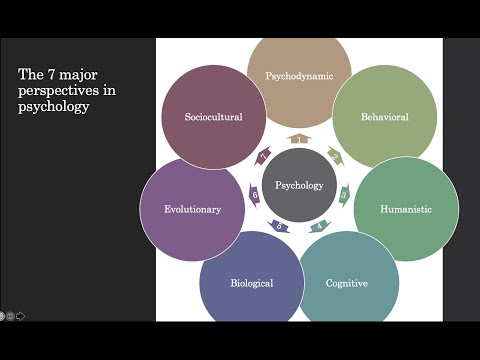
The behavioral perspective in psychology has been around for quite a bit, and it’s like the cool kid on the block. It focuses on observable behaviors rather than internal thoughts or feelings. You get that? If you want to know how someone behaves, you just watch them do their thing. This approach has its roots in early 20th-century ideas from folks like John B. Watson and B.F. Skinner.
So, what does this mean in modern psychology? Well, there are some pretty cool insights that are shaping how scientists understand behavior today.
- Focus on Learning! The behavioral perspective emphasizes *learning processes*. Think Pavlov’s dogs! He conditioned them to salivate at the sound of a bell, which shows how behaviors can be learned through associations.
- Reinforcement is Key! Skinner introduced the idea of reinforcement—basically rewards for good behavior. You might have seen this used in classrooms or even at home with kids. When they do something right, they get praise or a treat, which encourages that behavior to happen again.
- Behavior Modification. This concept is used in therapy! For example, if someone has a phobia, therapists might use techniques based on the behavioral perspective to help them face their fears little by little until they feel more comfortable.
- The Role of Environment. The environment plays a huge part in shaping behaviors. If you’re surrounded by people who smoke or drink heavily, you’re more likely to pick up those habits yourself. That’s why understanding behavior isn’t just about the individual; it’s about their whole context.
- Application Across Fields. From education to business—it’s everywhere! In schools, teachers often use behavioral methods for classroom management. In marketing, companies study consumer behavior to make products more appealing.
You know what’s interesting? I once read about this kid who had severe anxiety when speaking in front of his classmates. With some behavioral techniques like gradual exposure and positive reinforcement from his teacher and peers, he went from avoiding class presentations to actually enjoying them! It was incredible to see how changing behaviors can lead to big improvements in one’s life.
But here’s the thing: while focusing solely on behavior has its perks, it doesn’t tell us everything about human experience. Emotions and thoughts are crucial too! The behavioral perspective often gets paired with other approaches like cognitive psychology for a well-rounded view of what makes us tick.
In modern research, scientists keep digging into how these principles apply across various topics—from mental health treatment strategies to understanding social influences on aggression or altruism. Each piece adds richness to our comprehension of why we act as we do.
So yeah, exploring the behavioral perspective gives us valuable insights into human action and interaction today! Understanding behavior shapes not just therapy but also education policies and societal norms—affecting real lives out there!
Exploring the Scientific Study of Behavior: Insights from Current Psychological Perspectives
So, let’s talk about behavior and psychology, alright? Basically, the scientific study of behavior digs into how we act, why we do what we do, and what makes us tick. You know, it’s not just about looking at what happens on the outside but also about trying to understand what’s going on inside our heads. This perspective has a whole lot of layers.
Behaviorism, for instance, is like the granddaddy of this field. It says that behaviors are learned through interactions with the environment. Think classical conditioning and operant conditioning. Remember Pavlov’s dogs? They learned to salivate at the sound of a bell because they associated it with food. That’s classic behaviorism right there!
Then there’s cognitive behavioral theory. This approach is all about how our thoughts influence our behaviors. If you believe you’ll fail at something, guess what? You’re probably not going to give it your best shot. It’s all interconnected! And that’s where modern research shines — by combining these perspectives.
- Emotional Behavior: Our feelings can shape behaviors too! For example, anxiety might make someone avoid social situations.
- Cultural Context: Different cultures can influence behavior significantly. What’s accepted in one place might be totally off-limits in another.
- Neuroscience Influence: Today, studies often look at how brain activity correlates with specific behaviors. It helps tailor psychological approaches to individuals.
You see, modern psychology isn’t just one thing; it blends old school ideas with new discoveries in neuroscience and cultural insights. Take social psychology, for instance; it digs into how people influence each other and behave in groups. Ever noticed how you might act differently when you’re with friends than when you’re alone? Yup, that’s them social factors kicking in!
The beauty of studying behavior scientifically is that it’s super applicable too. From therapy techniques stemming from cognitive-behavioral therapy to understanding consumer behavior in marketing — these insights really matter in the real world.
I remember a time when I was working on a project related to behavioral change for wellness programs at work. I noticed that just talking about incentives didn’t work as well as expected; people simply had different motivations based on their personal experiences and backgrounds! That taught me firsthand how crucial understanding these behavioral insights is.
Overall, this scientific study isn’t just fascinating—it’s essential for figuring out everything from mental health treatments to improving educational outcomes or even designing better social policies. In short, exploring human behavior from these current psychological perspectives opens up so many doors for understanding ourselves better.
Exploring the Application of Behaviorism in Modern Psychology: Insights and Implications for Science
Behaviorism, right? It’s one of those fascinating branches of psychology that really focuses on how our environment shapes our actions. Basically, it zeroes in on observable behaviors rather than internal thoughts or feelings. This might sound a bit old school, but even today, behaviorism has some serious applications in modern psychology.
Classical Conditioning is one of the main ideas you’ll bump into when exploring behaviorism. Think back to Pavlov and his dogs; he rang a bell and fed them at the same time. Eventually, these dogs started to salivate just at the sound of the bell! It shows how a neutral stimulus can become associated with positive feelings or reactions. In modern therapy, techniques that use classical conditioning can help treat phobias by gradually introducing the feared object or situation in a controlled way.
Then we have Operant Conditioning, which is all about rewards and punishments. B.F. Skinner really made waves with this concept. He suggested that if you reward a behavior, it’s more likely to happen again—like giving a dog a treat for sitting on command! This principle is widely used not just in training pets but also in educational settings where reinforcement can encourage positive behaviors among students.
But here’s where it gets interesting: Behaviorism doesn’t just stop with animals or education; it plays a role in understanding human habits too. Think about all those times you tried to break a bad habit—like biting your nails or procrastinating—and how hard that can be! Modern psychologists use principles from behaviorism to create interventions aimed at changing those habits through consistent reinforcement or consequences.
Also worth noting is how behaviorism intersects with technology. Ever heard of Behavioral Nudges? These are subtle prompts designed to influence our decisions without us realizing it—like placing healthier food options at eye level in supermarkets. The science behind this kind of nudge is steeped in behavioral principles and shows real promise for improving public health.
Let’s not forget about research methods! In modern psychology, researchers often rely on quantitative data. They’ll track behaviors over time to see if interventions are effective or not—a clear nod to the roots of behaviorism that stress measurable outcomes over introspection.
Anyway, while some critics say this focus on observable actions misses the depth of human experience, many agree that understanding behaviors lays down foundations for treatments and strategies that really work! So yeah, while behaviorism might seem like an old-school concept, its applications are super relevant today—and likely will be for quite some time as we keep figuring out the best ways to understand and shape human behavior!
So, let’s chat about behavior perspective in psychology. You know, like how we all kind of think and act based on what we’ve experienced? Well, this approach has really made its mark in modern scientific research, and it’s super interesting to see how it’s evolved.
I remember this time when I was chatting with a friend who had this habit of biting their nails. It drove me crazy! But then, they shared how they picked it up as a kid during stressful times. It hit me — their environment and experiences shaped that behavior. That little story got me thinking about behavior perspective psychology, you know? Basically, it looks at how our actions stem from our surroundings rather than just what’s going on inside our heads.
In today’s research scene, scientists are diving deep into understanding behaviors through experiments and observations. They’re looking at things like conditioning — yeah, that classic Pavlov stuff where dogs salivate at the sound of a bell because they associate it with food. It’s wild to think that our behaviors can be trained like that! Researchers have been using similar techniques to explore phobias, habits, and even social interactions.
What’s really exciting is how this approach helps us tackle real-world issues. Take addiction or anxiety disorders; behavior perspective offers tools for therapy that focus on changing unhealthy patterns instead of just talking about feelings endlessly. It’s all about action—what you do matters!
Additionally, technology has made it easier to analyze behaviors than ever before. With all the data from social media or even wearable health tech, researchers can now map out trends and see what makes people tick in real-time. This means the findings are more relevant to everyday life!
But there’s always a flip side; some critics argue that this focus can be too narrow. They believe inner thoughts and feelings also play a crucial role in shaping who we are. And honestly? They might have a point! After all, isn’t it the mix of our thoughts and experiences that makes us human?
So here we are today—balancing between understanding behaviors through actions and recognizing the inner workings of our minds! It’s a dance between science and life experience, which makes psychology such an evolving field.
Anyway, it’s cool to see how far we’ve come while still keeping things relatable to people’s everyday experiences. All in all, behavior perspective psychology definitely has its place in modern research; combining science with human stories is where the magic happens!