You ever tried to juggle? I mean, really give it a go? It’s kind of hilarious watching someone flail around, right? Well, juggling is basically a dance for your hands. And let me tell you, those hands are pretty amazing!
Think about it. Your hands can do everything from texting your friends to whipping up a gourmet meal. Seriously, they’re like superheroes in disguise. But what’s going on inside all that hand and wrist action? It’s wild!
This little slice of anatomy is packed with bones, muscles, and tendons working together like a well-oiled machine. You know? There’s so much science behind it all! So, grab a snack and let’s unravel this intricate web of bones and joints that help us navigate our daily lives. You’re gonna love it!
Anatomy and Function: Exploring the Bones of the Hand and Wrist in Human Biology
So, let’s talk about the amazing bones in your hand and wrist. Seriously, they’re like a clever little team working together to give you all that cool movement and dexterity. Your hands are super important for, you know, everything! From writing to playing guitar or just giving a good high-five.
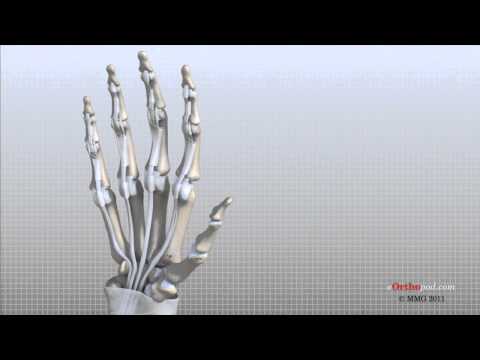
First off, the **bones** in your hand and wrist are divided into three main parts: the carpals, metacarpals, and phalanges. Each group plays its own role:
- Carpals: There are 8 of these little guys. They form the wrist and allow for tons of movement. They’re arranged in two rows: four in the proximal row (closer to your arm) and four in the distal row.
- Metacarpals: These are 5 long bones that connect your wrist to your fingers. They help shape your palm and give it flexibility.
- Phalanges: Your fingers have 14 of these bones! Each finger has three (except for your thumb, which has two). Phalanges help with grip and fine movements.
Now about those carpals—let’s get into it! The carpal bones include names like scaphoid, lunate, triquetrum—yep, these names sound fancy but they each have unique shapes. For example, the scaphoid is like a boat-shaped bone on the thumb side; it’s actually really important because it helps with wrist motion.
What’s super interesting is how these bones connect with each other: they form complex joints that let you twist and turn your wrist like it’s no big deal. Ever tried spinning a basketball on your finger? That kind of movement requires all those tiny joints working hard!
Then we move on to the metacarpals. These guys give structure to our hands; without them, our hands would be floppy! Think of them as the framework of a building—rather crucial for holding everything up without falling apart.
And now onto our fingers—the phalanges—the ones everyone notices when they point or do jazz hands (so cool!). Each finger’s ability to bend depends on joints called interphalangeal joints connecting one phalanx to another. That’s how you can grasp things or type away furiously!
Now here’s where it gets wild: there’s a lot more going on than just talking about bones! Muscles don’t just attach anywhere; they’re connected through tendons that pull on these bones when you want to move something. So basically, every flick of your fingers is this awesome dance between your muscles pulling tendons that tug on bones.
To add some spice to this whole skeleton story—ever sprained your wrist? Ouch! That’s often an injury involving those delicate ligaments supporting all those small bones working together like an intricate puzzle.
So yeah, it’s kind of amazing how much goes into simply waving hello or grabbing coffee! The design of our hand structure is so finely tuned that we can perform all kinds of tasks from delicate painting to heavy lifting.
Your hand isn’t just a bunch of random bones—it’s teamwork at its finest! All day long you use them without even thinking about it…until someone reminds you how cool they really are! Isn’t biology just fascinating?
Anatomy and Function of Hand and Wrist Joints: A Scientific Overview
The hand and wrist are like this amazing team that lets us do all sorts of things, from typing to baking a cake. They’re not just bunches of bones hanging out together; they’re super complex marvels of structure and function. So let’s break it down a bit.
First off, let’s talk about the anatomy. Your hand has 27 bones! Crazy, right? They can be grouped into three main sections:
- Carpals: These are the eight small bones in your wrist. Think of them as the foundation. They help connect your hand to your forearm.
- Metacarpals: There are five metacarpal bones, one for each finger (and thumb). They’re kind of the middlemen that give structure to the palm.
- Phalanges: Your fingers have a total of 14 phalanges—three in each finger (except for the thumb, which has two). They’re like tiny levers that make your fingers super flexible!
The wrist itself is made up of several joints. The interesting thing is that these joints allow for a ton of different movements. You can bend it forward (flexion), back (extension), and even rotate it side to side (radioulnar rotation). Seriously, think about how often you do those things without even realizing!
You’ve got major joints here like the radiocarpal joint. This connects your radius bone (one of your forearm bones) with some carpal bones. It allows for most wrist motions. Then there’s the midcarpal joint, which helps with side-to-side movements and adds a range in motion—it’s how we can wave hello or high five our friends!
Your wrists also have ligaments that hold everything together—like little ropes keeping a tent standing up. They’re quite strong and provide stability but still allow for flexibility so you can do stuff like write or play guitar without feeling all tight.
A fun fact? The sheer amount of nerve endings in your hands means they’re super sensitive! That’s why you can feel all those tiny textures when you’re touching something soft or prickly.
This entire setup works thanks to muscles too! Specifically, they’re responsible for moving those bones around at all those joints you’ve got going on.
- These are located in your forearm but control hand movements via tendons.
- Found within the hand itself, making finer movements possible like pinching or gripping something tightly.
You know how when you accidentally hit your funny bone and it sends this crazy tingle through your arm? That’s because nerves play such a big role too! The median nerve is particularly important; it runs through your carpal tunnel and affects how you feel sensations in those fingers.
The thing is, all these components work together seamlessly. Imagine trying to bake without having everything organized—the flour everywhere kinda thing! Even simple tasks require coordination among these different parts, making sure signals get sent between the brain and body efficiently.
If you think about it, we’ve built machines that mimic this sort of motion too—robotic arms or prosthetics try so hard to replicate what our hands naturally do every day. It’s amazing how intricate yet practical our anatomy is!
Your hand and wrist might seem simple at first glance; however, they’re complex structures that represent years of evolution perfecting our ability to interact with the world around us. From using tools to playing sports, they truly help define who we are as humans!
Exploring the Intricacies of Hand Anatomy: A Comprehensive Guide to Human Hand Structure and Function in Scientific Study
Sure! Let’s chat about hand anatomy, which is pretty fascinating if you think about it. Your hands are not just for showing off cool rings or giving high-fives—they’re complex structures with a ton of moving parts.
The Basics of Hand Anatomy
First off, let’s break down what your hand actually is. A human hand has 27 bones. You heard that right! These include:
- Carpals: There are 8 carpal bones in your wrist, forming the base of your hand. They’re kind of like the foundation!
- Metacarpals: You’ve got 5 long bones in your palm, and these connect the carpal bones to your fingers.
- Phalanges: Each finger (including your thumb) has three phalanges—proximal, middle, and distal—except for the thumb, which has two.
Isn’t it wild to think about how many tiny bones work together?
The Joints That Make It Happen
Now let’s talk joints. Your fingers have several joints that make movement possible:
- MCP (Metacarpophalangeal) joints: These are the knuckle joints where fingers meet the palm.
- PIP (Proximal Interphalangeal) joints: Located between the first two phalanges.
- DIP (Distal Interphalangeal) joints: Found at the tips of your fingers.
Every time you wave or type on a keyboard, these joints work so smoothly together. It’s like a well-choreographed dance!
Tendons and Ligaments
You can’t forget about tendons and ligaments! Tendons connect muscles to bones and help move your fingers when you want to grab a cup or point at something cool.
Ligaments hold those bones in place—kind of like how ropes keep a tent standing. They give stability while allowing enough flexibility to do things like play guitar or scratch that itch on your back.
Nerves and Blood Supply
Your hands are alive with sensation thanks to nerves! The median nerve is super important; it runs through the wrist and helps you feel things in most of your fingers. Imagine trying to text without feeling those little taps on your screen—hard right?
Blood vessels also play a critical role by delivering oxygen-rich blood to those busy hands so they can function well. Without blood flow, well… let’s just say our hands wouldn’t be so great for gripping pizza slices.
The Functionality of Your Hands
So why does all this matter? Well, our hands perform some incredible feats thanks to their structure:
- Precision grasp: Think about picking up a rice grain with chopsticks! This requires fine motor skills, which rely heavily on finger movements.
- A power grip: Like when you’re lifting weights or carrying groceries? That’s all about strength!
Most people don’t realize their hands are capable of such intricate functions until they’re limited by an injury or condition.
A Personal Touch
I remember spraining my wrist once while skateboarding—yeah, total rookie move! It was such an eye-opener seeing how much I relied on my hand movements every day. Simple things like brushing my teeth seemed like monumental tasks. It’s amazing how much we take for granted!
In short, understanding hand anatomy gives you insight into not just what makes us human but also why those everyday functions mean so much more than we often recognize. So next time you wave hello or type out that message, know there’s science behind all that action!
Alright, let’s chat about your hand and wrist for a sec. I mean, seriously, when was the last time you thought about how cool these parts of your body actually are? Like, we use them every day for everything from texting to cooking, but do we really appreciate all the hard work they do?
The anatomy of the hand and wrist is pretty mind-blowing if you think about it. You’ve got 27 bones working together—like a tiny crew of builders ready to construct whatever you need. Each finger has three bones (except for the thumb, which has two), and there’s this intricate system of muscles and tendons that allows for movement. Picture this: you’re reaching for your favorite mug in the morning. That simple action? It’s all thanks to those little guys moving in harmony.
And here’s something that gets me every time. The wrist is like a bridge connecting your hand to your forearm and is made up of eight small bones at the base. These little dudes give you flexibility and allow a range of motion that makes it possible to wave hello or throw a football. Fun fact: these eight bones are individually named—and let me tell you, they have some wild names! Scaphoid, lunate… pretty fancy for such tiny things!
I remember this one time when I was trying to learn how to play guitar. My fingers felt all discombobulated at first, struggling with chord changes—that’s when I started appreciating just how much coordination goes into using my hands! It was so frustrating but also eye-opening; suddenly, every strum and pluck felt like a mini miracle.
But it’s not just about bones and muscles; our hands are incredibly sensitive too! They house loads of nerve endings—millions, actually—making them super responsive to touch. Ever notice how just brushing your fingers across something soft feels different from touching something rough? That’s because your brain is getting signals from those nerves faster than a speeding bullet!
So next time you’re typing on a keyboard or petting a dog (or should I say *being* best friends with your dog?), remember there’s so much science behind what seems like simple actions. Your hands are like miniature masterpieces crafted by evolution over millions of years—now that’s something worth appreciating!