So, picture this: you’re sitting in your backyard on a lazy Sunday, sipping coffee and watching a little hummingbird zip around. You know, like a tiny, feathered superhero? Seriously, they can flap their wings like 80 times a second! That’s some serious cardio.
But here’s the kicker—have you ever thought about what makes those little guys tick? Their hearts are pretty wild. They have to pump blood with enough force to keep them buzzing around like that.
I mean, it’s crazy to think about how different their hearts are compared to ours. Yours is probably beating away at a nice chill rate while they’re over there in high-speed mode!
So yeah, let’s chat about bird heart anatomy. You might be surprised just how intricate and fascinating it really is!
Exploring the Unique Anatomical Features of Birds: Insights from Avian Biology
Birds are some of the most fascinating creatures on our planet. They’ve got unique anatomical features that help them adapt to their environments and thrive in ways we might not even think about. When you look at a bird, you’re actually seeing an incredible design that’s been shaped by millions of years of evolution.
Let’s zoom in on something really special: the bird heart. You might not know this, but the bird’s heart is remarkably different from ours. Most birds have a four-chambered heart, just like mammals. This setup includes two atria and two ventricles which helps keep oxygen-rich blood separate from oxygen-poor blood. This is super important for their high-energy lifestyles.
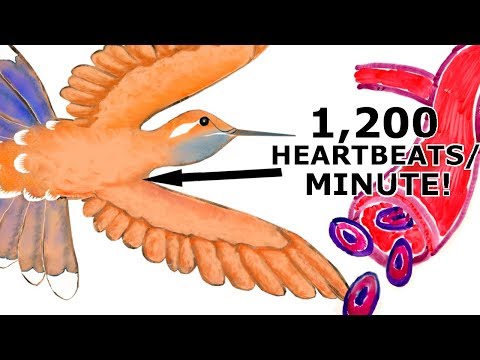
The reason birds need such a efficient system is simple: they have an incredibly high metabolic rate. Just think about how they flap those wings! For many species, like hummingbirds, their hearts can beat up to 1,200 times per minute. Imagine your heart racing that fast! This efficiency allows them to maintain their intense activity levels.
- Aerodynamic Structure: Birds have lighter bones filled with air sacs which reduces weight without sacrificing strength.
- Lungs and Air Sacs: Their respiratory system is super unique too; they have air sacs that help keep air flowing in one direction through the lungs, maximizing the oxygen exchange. This means they can take in more oxygen while flying high above ground.
- Circulatory Adaptations: The bird’s circulatory system also helps regulate body temperature and cope with harsh climates.
I remember reading about birds flying at over 20,000 feet—like some migratory species do—and just being amazed at how they manage to survive up there where even us humans struggle for breath! Their hearts are working hard all the time to make sure every bit of energy is maximized for those long flights.
The structure of their hearts also includes strong muscle walls which allow for powerful contractions. When you see a little songbird flitting around your backyard, it’s not just cute—it’s a living testimony to what evolution has crafted!
The thing is, studying birds can teach us a lot about anatomy and physiology more broadly. We could even learn something valuable about human health by understanding these avian systems better! How cool is it that something so small can inspire research into our own biology?
If you find yourself watching birds one day—whether it’s in your garden or out in the wild—take a moment and appreciate all that’s happening inside them. Their incredible heart anatomy isn’t just for show; it’s essential for keeping these amazing creatures alive and well in the skies above us!
Exploring the Unique Anatomy of Birds: Adaptations and Modifications in Avian Biology
Birds are some of the most fascinating creatures on our planet. Their anatomy is like a puzzle, with each piece perfectly adapted for survival in their unique environments. You know, it’s kind of amazing to think how these adaptations have shaped them over millions of years.
First up is their skeleton. Birds have lightweight bones that help reduce body weight while still providing strength. This design means they can fly easily. Many of their bones are hollow, which sounds fragile but actually makes them super strong. Think about it: a sparrow’s bone structure allows it to soar through the air but not at the expense of being sturdy enough to survive.
Now let’s talk about feathers. Oh man, feathers are incredible! They’re not just for looking pretty, although that helps. Feathers provide insulation and aid in flight. Did you know that different types of feathers serve different purposes? Contour feathers give birds their shape and smoothness, while down feathers keep them warm. Imagine feeling cozy in your favorite blanket—that’s sort of what down feathers do for birds!
And then there’s the heart. Bird hearts are really special; they’re more efficient than those of many other animals. A bird’s heart has four chambers just like ours, but it beats faster—especially during flight—to deliver oxygen-rich blood to its muscles quickly. This arrangement allows birds to sustain high levels of activity without running out of breath or energy.
Next on our anatomy tour is the respiratory system. Birds have an extraordinary way of breathing that includes air sacs, which help make their breathing super efficient. When they inhale, air goes into these sacs and is pushed through their lungs during exhalation. This means fresh oxygen is always being exchanged even when they breathe out! Imagine if you could take a deep breath and still have fresh air coming in—that’d be cool, right?
Oh! And don’t forget about their beaks. The shape and size vary drastically among species depending on what they eat. A hawk has a sharp beak perfect for tearing flesh, while hummingbirds sport long, slender beaks made for sipping nectar from flowers. It’s wild how evolution has tailored every little part to fit its environment perfectly.
Also noteworthy is the bird digestive system; it’s pretty unique too! They have a gizzard—a muscular pouch that helps grind up food since birds don’t have teeth. Remember seeing those big rocks some birds pick up? They actually use them inside the gizzard to help mash up seeds or insects!
So anyway, exploring bird anatomy reveals so much about how life adapts and thrives in different settings—not just flying high above us but also surviving in forests, deserts, and oceans alike. Each feature tells a story about the struggles and victories throughout evolution.
In summary:
- Lightweight skeletons enable flight.
- Feathers provide insulation and aid in movement.
- The four-chambered heart delivers energy efficiently.
- The unique respiratory system maximizes oxygen exchange.
- Beaks vary according to dietary needs.
- The gizzard aids digestion without teeth.
Birds truly show us how adaptability can lead to various forms of life thriving all around us! Isn’t nature just something else?
Exploring Avian Anatomy: Understanding the Unique Heart Structure of Birds in Comparative Physiology
So, let’s chat about bird hearts. Those little engines are pretty wild when you think about them. Now, birds are unique in a lot of ways—like how they can fly and sing—and their hearts are no exception. They’re specially made for their high-energy lifestyle!
First up, you should know that a bird’s heart is actually kind of similar to ours but with some cool twists. It’s got four chambers: two atria on top and two ventricles below. This design is super efficient for pumping oxygenated blood throughout the body, which is crucial for all that flapping around.
Now, here’s where it gets really interesting: the size and power of a bird’s heart can change based on its lifestyle and what it needs. For instance, hummingbirds, those tiny little guys flitting about, have hearts that beat like crazy—sometimes over 1,200 beats per minute! This allows them to hover in place while sipping nectar from flowers.
You might be wondering why they need such speedy hearts? Well, birds are warm-blooded creatures. They need a steady supply of oxygen to keep their body temperature up and energy flowing through those busy wings.
Also, the heart structure affects how they breathe—yup, interestingly enough! Birds have a unique respiratory system that works with their heart to maximize the amount of oxygen they get. They have air sacs that help push air through their lungs in a continuous flow, making sure that fresh air is always coming in even as they’re exhaling.
The circulatory system also plays into this whole thing nicely. Bird blood has a higher concentration of red blood cells than ours does—which means more hemoglobin that carries oxygen around. You see? Every part works together like a finely tuned engine.
But here’s a thought: did you ever get to see an eagle soaring high above? As majestic as they look gliding effortlessly on thermal updrafts, their hearts pump efficiently without skipping a beat even at high altitudes where oxygen levels drop dramatically.
Bird hearts really show us just how nature adapts life to make it work perfectly for each species’ needs! From tiny sparrows fluttering about to magnificent ostriches running on the ground—you’ve got all sorts of designs in action!
So yeah, understanding these unique structures isn’t just interesting; it opens your eyes to how life adapts across different species! And every time you hear a bird chirping or see one take flight, just remember: there’s an impressive heart at work behind all that beauty!
Birds, those feathered wonders that flit around us, have hearts that are pretty remarkable. I mean, think about it for a second—these tiny creatures can fly thousands of miles during migration! Their little hearts do some serious heavy lifting.
So, their hearts are actually quite different from ours. For one thing, birds have a four-chambered heart, much like mammals. This setup helps to keep oxygen-rich blood separate from oxygen-poor blood, which is super efficient. It’s kind of like having two engines running smoothly so you can zoom around the sky without losing out on energy.
I still remember the first time I saw a bird heart up close during a biology lab in college. We were examining it under a microscope and it was such an eye-opener! The chambers were distinct and really well-structured. I felt this connection to nature in that moment—like I was peeking into the blueprint of life itself.
The heart of a bird has this incredible muscle called the myocardium that’s way thicker than ours. Why? Well, because birds need to pump blood quickly to those active wings of theirs when they take off into the air or dart after some food. You know how your heart races when you run? Imagine how fast theirs has to go just to keep them flying!
And let’s not forget about the unique arrangement of their arteries and veins. In birds, there’s a special artery called the right aorta that allows more efficient blood flow to their lungs, giving them the oxygen boost they need during flight.
But here’s what gets me—the way they’ve adapted over millions of years is just mind-boggling! From little hummingbirds beating their wings frantically to mighty eagles soaring high above mountains, bird hearts are perfectly engineered for their lifestyle.
It’s fascinating how even something as small as a heart can tell us so much about evolution and survival strategies in nature. You start with basic anatomy and then find yourself pondering how each feature plays into these amazing life stories—like taking flight or migrating across continents.
So yeah, next time you see a bird flapping around outside your window or perched on a branch, remember there’s an intricate design at play inside—and it’s all thanks to those extraordinary little hearts working hard behind every chirp and flutter.