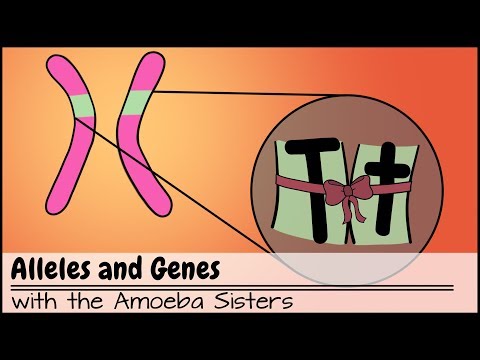
You know, I was thinking about how my grandma used to say I had my dad’s ears but my mom’s smile. Funny, right? It makes you wonder how traits get passed down through families.
That’s where classical genetics kicks in! This field is like the ultimate family tree detective, uncovering how characteristics are handed down from generation to generation.
From Mendel’s pea plants to today’s gene editing, it all started with some pretty nifty observations. It’s wild how much we’ve come to understand about ourselves just by looking at some tiny cells and chromosomes.
Seriously, classical genetics is like the backbone of so much in modern science now. Ready to dig into this cool journey through our genes? Let’s go!
Exploring Classical and Modern Concepts of Genetics in Science: A Comprehensive Overview
Alright, let’s talk about genetics! It’s a fascinating field that’s grown by leaps and bounds over the years. You know, when you think of genetics, it’s easy to get overwhelmed with all the fancy terms and concepts. But let’s break it down nicely, okay?
First up, we have classical genetics. This is like the foundation of the whole field. Back in the day, scientists like Gregor Mendel were doing some serious groundwork. Mendel studied pea plants and noticed how traits were passed down from one generation to another. He figured out that these traits are controlled by something called genes. Can you imagine? Just those little bits of information living in every cell, telling our bodies how to grow and function!
Mendel found that traits can be dominant or recessive. Think about eye color: brown eyes are often dominant over blue ones. So if one parent has brown eyes (dominant) and the other has blue (recessive), their kid might end up with brown eyes because that dominant gene takes charge. Isn’t it wild how something so tiny can determine things like what color your eyes will be?
Now, fast forward to today, and you’ll see how modern genetics has taken those classical ideas and run with them. We now understand DNA—deoxyribonucleic acid—which is basically the blueprint for all living things. DNA is made up of sequences of four chemical bases: adenine (A), thymine (T), cytosine (C), and guanine (G). These bases combine in various ways to make genes.
Here’s where it gets really interesting! Scientists can actually **sequence** DNA now, which means they can read its code. This has led to some groundbreaking discoveries in areas like medicine and conservation biology. For example:
- Genetic testing: You know how people get tested for certain genetic conditions? This helps in predicting health risks before they even show up.
- Gene therapy: Some diseases can potentially be treated by correcting faulty genes—imagine fixing a mistake in your DNA!
- CRISPR technology: This newish tool lets scientists edit genes directly! It’s like having a word processor for your genetic material.
I remember reading about a scientist who used CRISPR to modify plants for better food production in areas affected by climate change. That really hit home for me because it shows how genetics isn’t just about understanding ourselves but also improving our world.
The relationship between classical and modern genetics is pretty cool too; they’re interconnected! Modern techniques build on Mendel’s early findings but add layers of complexity that he could only dream about.
It’s all about piecing together this big puzzle that tells us who we are as humans—and a bit about every living thing on this planet too! What happens next? Who knows! Genetics continues evolving every day, revealing more mysteries as we keep exploring.
So yeah, whether you’re talking about Mendel’s peas or today’s gene editing tools, genetics is an ever-changing field buzzing with potential! Whether you’re learning about it casually or diving deep into research, there’s always something new to discover in this genetic journey we’re all on together!
The Impact of Genetics on Modern Society: Understanding Its Role in Science and Everyday Life
The impact of genetics on modern society is huge and touches almost every aspect of our lives, often in ways we don’t even realize! It’s like this invisible thread weaving through our health, relationships, and even the food we eat. So, let’s break it down a bit.
First off, one way genetics plays a role is in healthcare. You know how some folks have certain conditions that seem to run in their families? That’s not just coincidence. It’s all about genes. Certain genetic markers can help predict the likelihood of developing diseases like diabetes or cancer. This understanding means doctors can offer personalized medicine tailored just for you. It’s pretty cool to think that your DNA could hold the key to preventing illness!
Then there’s genetic testing. This isn’t just for people with family histories of diseases anymore. Nowadays, testing can show your ancestry or even uncover potential health risks for everyone. Imagine finding out you have a higher chance of having high cholesterol—this info can steer you toward healthier choices in your daily life. With companies offering at-home tests, it’s become super accessible.
Now, let’s chat about food production. Genetics has revolutionized agriculture; scientists use genetic engineering to create crops that are more resilient to pests and diseases or those that grow faster and yield more food. Like, did you know that the corn you’re eating might be genetically modified to resist drought? This helps keep our food supply stable while also trying to support the growing population around the globe.
On a more personal level, genetics also influences our relationships. Ever heard of “genetic compatibility”? Some studies suggest people might subconsciously choose partners who are genetically different from them because it enhances potential offspring’s immune systems. Pretty wild right? It adds a whole new layer to dating!
And let’s not forget how genetics affects behavior and personality. While it’s not all nature versus nurture—and environment plays a massive role—some traits can be linked back to genetic make-up. Research shows genes may influence things like risk-taking behavior or even creativity levels! So if you’ve got a wild streak in your family, it might be in the genes!
In summary, genetics is transforming modern society everywhere you look—from healthcare advancements and agricultural innovations to personal relationships and behavioral science. It’s as if we’re unlocking secrets hidden within our DNA every day! And honestly? That kind of exploration feels pretty exciting!
Understanding Classical Genetic Theory: Principles and Impact on Modern Genetics
Sure! Let’s chat about classical genetic theory and how it shapes what we know today in modern genetics.
Classical genetics is like the foundation of everything we do in genetics now. It started way back with Gregor Mendel, who was kind of the rockstar of this field. He took some pea plants and figured out how traits are passed from one generation to the next. Seriously, he was just a monk in a garden doing experiments, but his work opened up a whole new world.
Mendel’s main ideas came down to a few key principles:
- Law of Segregation: This means that every individual has two alleles for each trait, and these alleles separate during gamete formation. When fertilization happens, offspring get one allele from each parent.
- Law of Independent Assortment: Traits are handed down independently of one another. Like, just because you have curly hair doesn’t mean your child will definitely have brown eyes.
So, how do these principles impact modern genetics? Well, they laid the groundwork for understanding heredity. Fast forward to today, and we’re using those same basics but with way cooler tools like DNA sequencing.
Now, let’s talk about how all this applies to real life. Ever heard your grandma say you have her nose or your dad’s laugh? That’s the law of inheritance in action! You may inherit certain traits from your family thanks to those alleles Mendel talked about.
Moreover, modern science has taken Mendel’s ideas and run with them—into some pretty exciting territory! For instance:
- Genetic Testing: Nowadays, we can test for specific genes associated with diseases. This helps in predicting risks or even deciding on treatments tailored just for you!
- Crispr Technology: We even have tools that can literally edit genes! Imagine being able to fix genetic disorders before they manifest—like magic!
But it’s not all sunshine and rainbows; there are ethical questions popping up like mushrooms after rain. Should scientists be able to change human DNA? And if so, where do we draw the line?
In summary, classical genetics isn’t just dusty old theories sitting on a shelf somewhere—it’s actively shaping our understanding of biology today. It connects what Mendel discovered over a century ago to cutting-edge research that’s changing lives right now.
So yeah, if you ever hear someone say “genetics,” know that it’s rooted deep in what folks like Mendel figured out ages ago—and we’re still figuring stuff out from there!
You know, I was thinking back to when I first learned about classical genetics in school. It was one of those moments that really blew my mind. I remember staring at diagrams of Punnett squares and figuring out what traits I might inherit from my parents. Like, would I get my dad’s curly hair or my mom’s blue eyes? It felt like a little peek into the future.
Classical genetics, it’s all about understanding how traits are passed down from one generation to the next. Basically, it kick-started our journey into the world of genes and heredity. Mendel’s experiments with pea plants were like the first chapter in a long story that has shaped science today.
Now, fast forward to modern science, and wow! Genetics has exploded into this incredible field that touches nearly every corner of research. From medicine to agriculture and even conservation efforts—it’s everywhere! You see, by studying classical genetics, scientists paved the way for understanding complex things like DNA sequencing and gene editing techniques.
And it’s not just about peas anymore, either. Think about CRISPR technology; it’s a game changer in genetic engineering—it came from all those foundational principles established back in Mendel’s time! How wild is that? You can literally edit genes now! My mind races at how much potential lies ahead for curing diseases or improving crop resilience.
But there’s a human side to this too. With great power comes great responsibility. There are ethical questions we need to wrestle with as we dive deeper into genetic manipulation. How do we ensure we’re using these tools wisely? You know?
I guess that’s why reflecting on classical genetics feels so important today. It’s not just dusty old science; it’s the building block for a whole new world of possibilities—both thrilling and daunting—as we navigate through the complexities of life itself. So yeah, it’s pretty cool where we started and where we’re headed with all this genetic knowledge!