You know that feeling when you’re trying to find a pattern in your favorite playlist? Like, why does every third song make you wanna dance? Well, that’s kind of like what scientists do with correlation and regression. They dig into data to uncover relationships and make sense of the world.
So, think about it: if you’ve ever wondered why ice cream sales shoot up in summer or how studying more might boost your grades, then you’re already familiar with these concepts. It’s all about spotting connections between things.
Back in college, I remember analyzing data for my science project. I thought I was a genius when I discovered that stronger coffee correlated with higher productivity among students—turns out, there’s a reason for those late-night study sessions!
Basically, correlation is about seeing if two things are linked. And regression? That’s when we get fancy and try to predict one thing based on another. Curious yet? Let’s explore this stuff together—it can be surprisingly fun!
Understanding Correlation and Regression: Key Concepts in Scientific Research Methodology
Correlation and regression are two important concepts that help scientists understand relationships between variables. Imagine you’re trying to figure out if there’s a link between how much time students spend studying and their grades. That’s where these tools come into play!
So, what’s correlation? It’s basically a way to measure how two things relate. When one variable changes, does the other tend to change too? There are three main types of correlation:
- Positive correlation: This is like when the more you study, the higher your grades might get. They both go up together!
- Negative correlation: Think about when you study too much the night before a big exam—your sleep might go down, and that could lead to worse grades.
- No correlation: Sometimes, things just don’t relate at all. For instance, there’s no real connection between how many hours of TV you watch and your shoe size.
Now, let’s chat about regression. It builds on correlation but takes it a step further. Regression helps predict one variable based on another. Using our earlier example: if you were doing a regression analysis between study time and grades, you could actually come up with an equation! This equation might look something like: Grade = 50 + (5 * Study Hours). So if someone studies for 4 hours, their predicted grade would be around 70.
The beauty of regression is that it allows scientists to control for other factors too. Let’s say there are students who study the same amount but have different resources or backgrounds—regression can help account for those differences.
But hold on! Just because two things correlate or even regress doesn’t mean one causes the other. It’s like saying ice cream sales cause drowning incidents—they both rise in summer but aren’t connected directly!
It’s like my friend who thought running every day would make him a pro athlete overnight. He trained hard but neglected his diet; his performance didn’t improve because he missed that crucial part of the equation.
Understanding these concepts is vital in scientific research methodology because they provide clarity in data analysis and interpretation. Researchers can build better hypotheses and make informed decisions based on patterns they observe.
In summary, while correlation shows relationships between variables, regression dives deeper into predicting outcomes based on those relationships while accounting for various influences. Both of these tools play critical roles in shaping scientific inquiries and discoveries!
Essential Tools for Analyzing Correlation in Scientific Research: A Comprehensive Guide
When it comes to analyzing correlation in scientific research, you’ve got some essential tools that can make your life a whole lot easier. You know, correlation is all about figuring out if two things are related. Like, if you notice that when ice cream sales go up, so do the number of sunburns. That’s a classic example! But how do you actually measure and analyze these relationships? Let’s break it down.
First off, we need to talk about correlation coefficients. These are numerical values that tell us how strongly two variables are related. The most common one is called the Pearson correlation coefficient. It ranges from -1 to 1. A value close to 1 means a strong positive relationship (like those ice cream sales and sunburns), while a value near -1 indicates a strong negative relationship (like more hours spent on video games leading to less time outdoors). And if you’re near 0? Well, that usually means there’s no correlation at all.
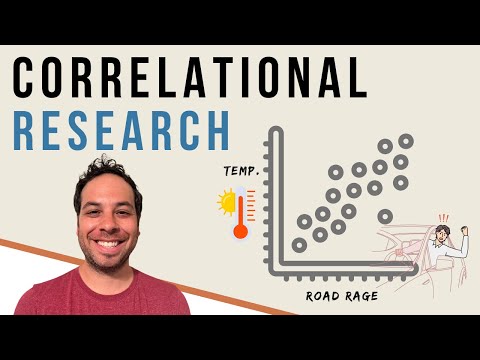
Next up is scatter plots. Picture this: you’ve got two variables plotted on a graph with dots representing different data points. That scatter of dots helps visualize the relationship between them! If the dots form a line going up from left to right, guess what? That’s a positive correlation! If it’s downwards? Negative correlation! Super handy for spotting trends at a glance.
Now let’s get into regression analysis. This tool takes your correlation analysis one step further. While correlation shows you how things relate, regression helps predict one thing based on another. For example, if you want to predict how much someone will spend based on their income level, regression can give you an equation or model for that. It’s like having your own crystal ball for data!
Another important tool is the correlation matrix. This one’s brilliant when dealing with multiple variables! Imagine explaining many variables all at once—it could get messy. But with a correlation matrix, each variable gets paired with every other variable showing their correlations in an easy-to-read table format. It helps quickly identify which variables are closely related without getting overwhelmed by numbers.
And then there’s statistical software. Look, using software like R or Python makes analyzing data way more efficient than doing it by hand—trust me on this one! You can run complex analyses in seconds and generate graphs instantly.
Finally, let’s not forget about interpretation! Analyzing numbers is only half the battle; understanding what they mean in real life is crucial too. For instance, just because two things are correlated doesn’t mean one causes the other—this is something researchers call “correlation does not imply causation.” Remember our earlier example? Just because more people eat ice cream while getting sunburned doesn’t mean ice cream causes sunburns!
So there you go! Analyzing correlations isn’t rocket science, but it does take some practice and these essential tools make it manageable and fun as you discover those hidden connections in your research!
Essential Tools for Regression Analysis in Scientific Research
So, let’s talk about regression analysis. Basically, it’s a statistical method that helps you understand relationships between different variables. You want to know how one thing influences another? Well, regression is your buddy!
Essential tools for regression analysis can really make your research shine. Here’s what you typically need:
- Statistical Software: Programs like R, Python, and SPSS are popular for running regression analyses. Each has its strengths and quirks. For instance, R is great for complex models, while Python offers flexibility with libraries like Pandas and NumPy.
- Data Visualization:** Visualizing your data can really help you see patterns. Tools like matplotlib (in Python) or ggplot2 (in R) let you create graphs that can reveal trends before you even run a regression.
- Understanding Variables: Identifying independent and dependent variables is crucial. The independent variable is what you think affects something else—the dependent variable—like how study time affects test scores.
- Assumptions Checking: Regression analysis comes with assumptions like linearity and normal distribution of errors. Using residual plots helps check these assumptions visually—it’s kinda like giving your model a health check!
- The Right Model: Choosing the right type of regression (linear, logistic, polynomial) based on your data type is key. For example, if you’re looking at success/failure outcomes (like passed or not passed), logistic regression would be the way to go.
Okay, imagine you’re trying to analyze how hours spent studying affects exam scores. You’d start by collecting data—like how many hours students studied versus the scores they got. With software in hand, you’d input the data and run a simple linear regression.
The output? You’d get a formula that predicts exam scores based on study hours—pretty powerful! If it turns out that for every extra hour studied students score two points higher on average, well, that’s valuable insight!
But there’s more: interpreting those results is where things get really exciting! Sometimes you’ll find unexpected relationships or maybe even realize some factors don’t impact what you thought they did. It’s like uncovering hidden gems in your data.
In summary, using the right tools makes all the difference in regression analysis for scientific research. So grab those statistical packages, visualize your data to get insights fast and make sure you’ve got everything set up correctly to draw meaningful conclusions!
Alright, so let’s chat about correlation and regression. You know, these two concepts are like the dynamic duo of statistical analysis. They help scientists figure out relationships between different things. You might be asking yourself, why does this even matter? Well, imagine you’re a detective trying to solve a mystery; correlation and regression are your trusty sidekicks guiding you through the clues.
I remember this one time when I was helping a friend with their science project. We were looking at how studying hours impacted test scores. At first, we just jotted down numbers like mad—hours studied on one side and scores on the other. Then we started noticing some patterns. The more hours my friend studied, the better they did! That’s when I realized that we were playing around with correlation without even knowing it—a simple yet powerful concept.
So, correlation shows us if two things move together. Like, if one goes up, does the other go up too? But it doesn’t mean one causes the other—you gotta remember that! For instance, ice cream sales might rise in summer while drowning incidents do too. Doesn’t mean ice cream causes drowning or anything! It just shows they correlate because of warm weather.
Now regression takes it further—it helps in predicting values based on this relationship you’ve spotted. So if you know how many hours you studied, regression can help predict your test score more accurately than guessing alone.
But here’s what really strikes me: data isn’t just numbers on a page; it tells stories about real people and situations. When scientists use these tools, they’re not just crunching numbers—they’re trying to make sense of life around them. Like figuring out what factors influence health outcomes or understanding how climate change impacts ecosystems.
It can be messy though! Sometimes data isn’t perfect and can lead to misinterpretations that affect decisions in big ways—think medical guidelines or public policies based on faulty correlations!
In essence, correlation and regression don’t provide all the answers but are super handy tools in scientific discovery. They foster curiosity and push us to ask more questions about our world—so next time you see those graphs and equations in research papers or news articles, think about how they’re helping us understand complex relationships that shape our lives!