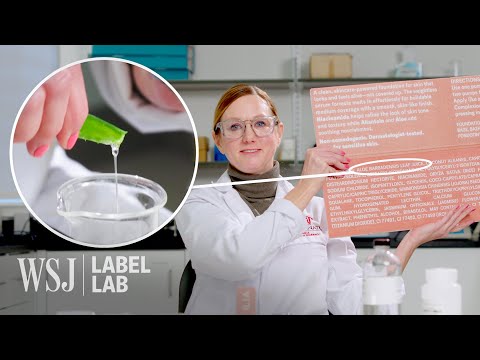
You know that moment when you’re staring at a bunch of skincare products and thinking, “What even is half this stuff?” Seriously, it’s like a science project gone wild!
But here’s the thing: behind all those fancy labels and ingredients that sound like they came from another planet, there’s some really cool chemistry happening. Cosmetic chemical engineering is actually a big deal in making our skin happier and healthier.
It’s about crafting formulas that not only smell nice but work wonders. Think about all those serums we love—what makes them tick?
So, grab your favorite moisturizer, and let’s get into the fascinating world of innovations in cosmetic chemical engineering. You might just see your skincare routine in a whole new light!
Reverse Engineering Skincare Products: A Scientific Approach to Ingredient Analysis and Formulation
Okay, let’s jump in! Reverse engineering skincare products is kind of like putting on your detective hat. You’re trying to figure out what makes that fancy cream work so well, without needing a degree in chemistry. So, how does this all come together?
First off, reverse engineering involves breaking down a product to identify its ingredients and how they interact. Imagine having a delicious cake and wanting to bake it yourself! You’d sniff around for clues—the aroma of vanilla, the sweetness of sugar. In skincare, it’s similar. You analyze texture, scent, and yes—ingredients!
Ingredient analysis is about understanding each component. Think of it this way: every ingredient plays a specific role—like the actors in a movie. Some are there for hydration (like glycerin), while others might provide sun protection (like zinc oxide). By dissecting these roles, you can figure out how they contribute to the overall effect on your skin.
Oh! And then there’s formulation science. This is the craft behind mixing those ingredients together in just the right way. It’s not enough to just throw everything in a bowl; you’ve gotta consider things like pH balance or how stable the mixture will be over time. That’s where cosmetic chemists come into play—they’re like directors ensuring everything flows smoothly.
When you consider common formulations, it gets even more interesting. For example:
It’s kind of cool how tweaking one ingredient can change the whole vibe of a product—almost like adjusting one scene might change the ending of a movie!
Now let’s talk about tech innovations. With tools like mass spectrometry and chromatography, scientists can break down products at a molecular level. It’s like having an ultra-zoom camera that lets you see every detail! This tech helps to ensure safety and efficacy, making sure that what goes on your skin won’t cause issues down the line.
Anecdote time! I remember when I first got into skincare—I was obsessed with this certain moisturizer everyone raved about. One afternoon, I sat down with my friend who was studying chemistry, and we *totally* tried to reverse engineer it using just our observations and some online research. We had fun comparing textures and scents—we were basically aspiring chemists for an afternoon!
To wrap it up, reverse engineering isn’t just technical mumbo-jumbo; it’s actually super important if you want healthier skin innovations down the road. It allows us to learn from existing products and develop better ones based on solid science rather than guesswork.
So next time you’re slathering on cream or lotion? Just know there’s so much more happening behind those shiny labels than meets the eye!
Exploring Career Opportunities: Can Chemical Engineers Thrive in the Cosmetics Industry?
Have you ever thought about how those amazing lotions, creams, and makeup products are made? Well, that’s where chemical engineers come in. They’re like the superheroes of the cosmetics world, mixing science and creativity to whip up products that not only look good but also keep your skin healthy.
So, can chemical engineers actually thrive in the cosmetics industry? Absolutely! The field is wide open for folks with a knack for chemistry and a passion for beauty. Here are some key ways they shine in this space:
- Formulation Development: This is all about creating product recipes. Chemical engineers work on finding the right combination of ingredients to get the perfect texture and effectiveness. Think about it: getting a moisturizer just right takes a lot of trial and error!
- Sustainability Practices: Nowadays, people care more about what goes into their products. Engineers are stepping up by developing eco-friendly formulas and packaging to minimize environmental impact. Who wouldn’t want their favorite lipstick to be kind to Mother Earth?
- Quality Control: Safety is a big deal in cosmetics. Chemical engineers ensure that every batch meets strict safety standards before it hits the shelves. They’re kind of like the guardians of skin health!
- Innovative Technologies: Imagine using science to create a foundation that adapts to your skin type throughout the day! Chemical engineers often work with cutting-edge technologies, bringing new innovations into the market that improve how products perform.
- User Experience Research: It’s not just about making something that works—it’s also about how it feels when you use it. Engineers help design tests to figure out what consumers really want from their beauty products.
I remember chatting with a friend who studied chemical engineering. She told me about her internship at a cosmetic company where she got to experiment with natural ingredients like shea butter and essential oils. It was like being in a playground filled with colors and scents—this was her dream come true! That experience not only made her realize she could combine her love for science with something as fun as makeup but also set her up for an exciting career.
The cosmetics industry is super dynamic, meaning there’s always something new on the horizon—which is exciting for chemical engineers looking for fresh challenges! With consumers becoming increasingly knowledgeable about skincare, there’s also greater demand for transparency in products, pushing these pros to innovate even more.
Overall, if you’re into both chemistry and beauty, this could be your calling! With endless career paths—from research and development roles at top brands to starting your own cosmetic line—the possibilities are as colorful as the palettes we love!
If you’re curious or passionate about this field, why not explore further? After all, who knows what kind of fabulous concoctions you could end up creating?
Exploring Gen Z’s Skincare Preferences: A Scientific Perspective on Trends and Innovations
Exploring Gen Z’s skincare preferences is super interesting, especially when you dig into the science behind it. You see, this generation is setting trends that mix personal care with a keen awareness of health and environment. So, what does that mean for skincare? Let’s break it down.
First off, **Gen Z is all about ingredients**. They seem to have a radar for what goes into their products. You can thank social media for that! Platforms like TikTok and Instagram are buzzing with discussions about *clean beauty* and *sustainability*. It’s like everyone’s in on the secret—ingredients like hyaluronic acid or niacinamide aren’t just buzzwords; they actually deliver benefits like hydration and brightening effects.
Another thing worth mentioning is how **technology is shaking things up**. Innovations in cosmetic chemical engineering are changing the game. For instance, **biotechnology** is being used to create lab-grown ingredients that are effective yet eco-friendly. This way, brands can provide ethical alternatives to traditional sourcing methods, which can often harm the environment. Talk about a win-win!
Then we have the whole customization trend. **Personalization has become key** for Gen Z shoppers. It’s not just about picking up a moisturizer off the shelf anymore; it’s about finding what works specifically for your skin type and concerns. Skincare brands are now offering quizzes or apps that analyze your skin and suggest tailored products based on data analytics. How cool is that?
Also, let’s not forget **the impact of mental health on skincare routines**! Gen Z really values self-care as a means of coping with stress and anxiety—especially in these chaotic times we live in! For many, applying moisturizers or serums isn’t just practical; it’s therapeutic too! Brands are catching onto this vibe by marketing their products as part of holistic wellness routines.
So why do these trends matter? Well, they highlight how **young consumers are becoming more informed and connected to their choices**. They’re not just looking at how a product looks on a shelf; they’re delving deep into its origins and effects.
In summary, exploring Gen Z’s skincare preferences reveals an exciting shift toward transparency, innovation, and personalization backed by scientific advancements in cosmetic chemistry. From clean ingredients to sustainable practices, it’s shaping not only what products they buy but also how they perceive beauty itself.
- Ingredient awareness shapes purchase decisions.
- Technological innovations lead to better formulations.
- Customization becomes essential for user satisfaction.
- Mental health emphasis influences self-care approaches.
This all demonstrates how science is directly linking with personal care—exciting times ahead for skincare enthusiasts!
You know, when it comes to our skin, a lot of times we just slap on whatever cream or lotion looks good at the store. But there’s so much more going on behind the scenes in the world of cosmetic chemical engineering. I mean, think about it: every product we use is basically a little potion that’s been carefully crafted to help us look and feel our best.
The advancements in this field have been pretty mind-blowing lately. Scientists are getting super creative using new materials and technologies. For instance, there are these cool things called biomimetic ingredients that mimic nature. They can help your skin retain moisture or repair itself by working with rather than against natural processes. That’s like having your best friend cheering you on while you tackle life’s challenges!
I remember trying out a new serum once that promised to change everything—seriously, it was like the fairy godmother of skincare! The texture was heavenly, and it absorbed into my skin like butter. Later, I learned that the formula was packed with innovative peptides and antioxidants designed to boost collagen production. All this science really makes me appreciate those products even more!
There’s also this growing trend focusing on sustainability and clean beauty. You know that feeling when you find something that’s not just good for you but also good for the planet? That’s what many brands are aiming for now! They’re finding ways to make cosmetics without harsh chemicals or unnecessary waste. It feels great to be part of a movement that cares about health—yours and Mother Earth’s.
But here’s a thing: with all these innovations popping up, not every product is suitable for everyone! So you’ve gotta be like your own detective sometimes; read ingredient lists and maybe even do a patch test before diving in headfirst.
In short, the world of cosmetic chemical engineering is kind of an exciting place right now. It combines creativity with science in ways we never imagined possible! With all these advancements aimed at healthier skin, it seems we have good reason to be hopeful about what lies ahead—and our skin might just thank us for it!