Alright, so picture this: you wake up one morning, stroll into the bathroom, and catch a glimpse of your skin. And wait—what’s that weird patch? It’s all thick and stubborn. You might think it’s just a rough day for your epidermis, but it could be something called hyperkeratosis.
Crazy name, right? But don’t sweat it! It’s basically just your skin’s way of saying, “Hey, I need a little extra protection here!”
Let’s break this down because skin is more than just something we slap lotion on. It plays a big role in our health and can give us clues when things go off track. I mean, it’s wild how much insight we can get just by peeking beneath the surface!
So grab a comfy chair and let’s chat about hyperkeratosis and what some histology reveals about our skin’s health. You’re gonna want to know this stuff!
Understanding Hyperkeratosis: Implications and Indicators in Dermatological Health
Hyperkeratosis is like your skin’s way of saying “hey, something’s up!” It happens when the skin produces too much keratin, which is that tough protein that forms your outer layer of skin. So, when you see thickened patches, flaky areas, or just rough texture on your skin, hyperkeratosis might be the culprit. But it’s important to understand what it really means for your dermatological health.
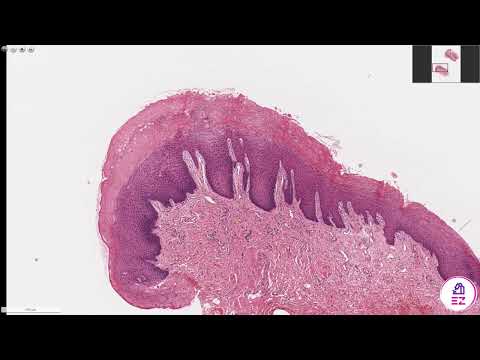
When you look at hyperkeratosis under a microscope, things get interesting. The histology—which is basically how tissues look and behave—reveals a buildup of keratinocytes (the main cells in the outer layer of your skin). You end up with this thick stratum corneum. It sounds fancy, but it just means that the uppermost part of your skin is kinda overloaded.
- Causes: There are many reasons for hyperkeratosis. Sometimes it’s due to friction (think calluses from playing guitar or wearing tight shoes), other times it might be related to conditions like psoriasis or eczema.
- Indicators: If you notice areas that are particularly dry or red along with peeling, you may be dealing with hyperkeratosis.
- Implications: Chronic cases can lead to discomfort and even pain because those thickened areas can crack and become fissured.
You ever had a bad sunburn? Well, after sun exposure, some folks develop **actinic keratosis**, which is a type of hyperkeratosis. That rough patch on your skin could turn into something more serious if not monitored.
Now let’s talk about diagnosis and treatment. Dermatologists usually assess the condition through physical exams and sometimes even biopsies (where they take a tiny piece of skin for testing). Most cases aren’t serious but keeping an eye on them helps catch any potential issues early.
In terms of treatment options? You have choices! Over-the-counter creams containing salicylic acid can help slough off those dead skin cells. In more severe situations, doctors might go for topical retinoids or even cryotherapy—which is basically freezing the troublesome area.
So here’s the thing: while hyperkeratosis often isn’t dangerous in itself, being aware of changes in your skin can really help maintain overall dermatological health. Pay attention to what your body’s telling you; after all, those little signs can lead to bigger health conversations down the line!
Exploring the Histology of Keratosis: Insights into Skin Pathology
Keratosis is a term that’s tossed around a lot in skin care discussions. But what does it really mean? Basically, it refers to a condition where there’s an overproduction of **keratin**, which is that tough protein that helps keep your skin from getting damaged. It can happen for various reasons and appears in different forms, like **hyperkeratosis**.
Now, let’s dive into the histology part, because, I mean, it’s pretty interesting when you think about how skin works at the microscopic level. When you look at skin affected by hyperkeratosis under a microscope, you’ll see some telltale signs.
Here’s what you might notice:
- Thickened Epidermis: The outer layer of the skin becomes noticeably thicker due to the increased keratin production.
- Abnormal Keratinization: This means that keratinocytes (skin cells) are not maturing properly. Instead of sloughing off, they pile up.
- Inflammation: Sometimes you’ll see inflammation around the area. This can happen because the excess keratin irritates the surrounding tissues.
I remember once looking at a histology slide during class; we were studying different types of skin changes. The slide showing hyperkeratosis was like an exaggerated version of normal skin—it was almost surreal! You could really see how that thick layer of keratin was just hanging out there instead of flaking away like it normally would.
So, why does this matter? Understanding the histology of keratosis can help pathologists determine whether it’s just a benign condition or if there’s something more serious going on. For example:
- Psoriasis: This is an autoimmune condition that often results in hyperkeratosis and red patches on the skin.
- Corns and Calluses: These are also types of localized hyperkeratosis caused by friction or pressure on certain areas.
When pathologists examine these samples, they’re looking for specific patterns in those keratinocytes. They want to see if there’s any indication of abnormal cell growth or potential malignancy. It’s kind of like being a detective but with tiny cells!
Of course, histology isn’t just about recognizing patterns; it’s also about understanding what’s happening with your body internally. Factors like chronic inflammation or genetic predispositions can lead to these skin conditions, revealing clues about an individual’s overall health.
So next time you hear someone talking about keratosis or even if you feel curious about your own skin issues, remember: beneath all those layers is a complex world driven by biology and sometimes—quite literally—overproduction!
Comprehensive Overview of Hyperkeratosis Pathology: Key Insights and Clinical Implications
Hyperkeratosis is a fascinating skin condition that often raises eyebrows when you hear about it. You might’ve noticed it as thickened patches of skin, maybe on your elbows or knees. It’s not just a cosmetic issue; understanding hyperkeratosis gives us insights into skin health and various underlying conditions.
So, what exactly is hyperkeratosis? Well, it’s when the outer layer of your skin, called the stratum corneum, becomes too thick. This happens because your body is producing more keratin, a protein that helps shield your skin. It’s like your skin’s way of “armor-ing up” against irritation or injury.
There are several reasons why this might happen:
- Friction: Constant rubbing can cause thick patches. Think about how athletes get calluses on their hands.
- Dermatitis: Certain skin issues can lead to hyperkeratosis. Conditions like eczema or psoriasis might trigger it.
- Genetics: Some folks are just prone to thicker skin in certain areas due to their genes!
- Environmental factors: Exposure to certain chemicals or even the weather can also play a role in making your skin toughen up.
You know how when you get a cut, and the surrounding area gets a little hard and swollen? That’s kind of what happens here too. Essentially, hyperkeratosis is often a protective response. It’s as if the body says, “Hey! Let’s make more keratin here so we can guard against whatever’s bothering us.”
From a clinical perspective, when doctors look at hyperkeratosis under the microscope (that’s histology for ya!), they see this thickened stratum corneum filled with dead keratinized cells. These cells aren’t harmful—they’re just part of that protective layer—but their existence signifies something might be going on.
Interestingly enough, not all hyperkeratosis is created equal. There are different types based on where they occur and what triggers them:
- Actinic Keratosis: Often seen in sun-exposed areas; these lesions could be precursors to cancer if left unchecked.
- Pilar Keratosis: Usually appears on the arms and thighs with small bumps (like goosebumps) that don’t want to go away.
- Palmoplantar Keratoderma: This one gets specific—it’s where palms and soles become thickened due to genetic factors.
What’s crucial here is that while some forms are benign and mostly just annoying, others can indicate more serious health issues. For example, actinic keratosis has been linked to increased cancer risk. So yeah, if you see unexpected changes in your skin texture—maybe new rough patches—it’s absolutely worth talking to a doctor about it!
In short: hyperkeratosis embodies both an interesting physiological response and an important signal from our bodies regarding our health environment. Understanding its forms helps us keep an eye on what our skin is trying to tell us!
Hyperkeratosis might sound like a fancy medical term, but it’s really just a way to describe when your skin gets thicker than usual. You know when you get a callus on your hand after doing something repetitive? That’s kind of the idea. It’s like your body saying, “Whoa, this area needs extra protection!”
When you look at hyperkeratosis under a microscope—yes, that’s histology!—you can see how the layers of skin change. Instead of being all smooth and sleek, they get layered up with dead skin cells. Basically, the outer layer of the skin (the epidermis) works overtime, making those keratinocytes (the main type of skin cell) churn out more keratin, which is this tough protein that helps protect your skin.
I remember when I first learned about this in school; we had to look at slides under microscopes and I was just amazed by all those little details. It made me realize how complex and smart our bodies are! Like, they’re always trying to keep us safe without us even thinking about it.
But here’s the thing: while hyperkeratosis can be a normal response to irritation or friction—like from shoes rubbing against your feet or hot weather—it can also be linked to some not-so-fun issues, like psoriasis or eczema. So it’s not always just a “toughen up” kind of situation; sometimes it needs attention.
So yeah, next time you notice some rough patches on your skin or maybe even those pesky calluses forming from too much gardening or playing guitar for hours, think about what’s happening beneath the surface. It’s your body doing its thing—even if it doesn’t look quite pretty all the time!