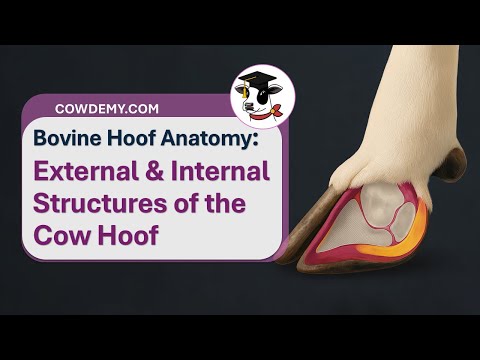
Alright, so here’s a fun fact for you. Did you know cow feet can actually tell you a lot about how these gentle giants move around? Seriously!
I mean, think about it–when you’re munching on your burger, do you ever consider what goes into that cow’s anatomy? Probably not. But cow feet are pretty fascinating!
They’re not just clunky hooves. There’s a whole science to how they work. And trust me, it’s way cooler than you’d think!
So let’s take a little stroll through the anatomy of bovine feet. You might end up appreciating your next cheeseburger just a bit more, or at least understand the magic behind those sturdy legs. Let’s get into it!
Exploring Cow Hoof Anatomy: A Comprehensive Guide to Bovine Locomotion and Health in Veterinary Science
So, let’s chat about cow hoof anatomy. Seriously, these feet aren’t just some boring appendages; they’re like a whole world of awesomeness when it comes to bovine health and locomotion. Cows are fascinating creatures, and their hooves are crucial to how they move around. Ever seen a cow trot? It’s surprising how much work goes into those big, clunky hooves.
Cow hooves have three main parts: the **horn**, the **sole**, and the **bulb**. Each part plays a unique role in keeping your bovine buddies happy and healthy.
The horn is the outer layer, made of keratin – yep, that stuff that makes up your nails! This hard exterior protects the inner structures from injury and infections. It’s pretty tough but needs regular trimming since it keeps growing.
Then there’s the sole. Think of it as the cushiony part of the foot. It’s softer than the horn but still quite durable. The sole helps absorb shock when cows walk or run, which is super important since they can weigh over a thousand pounds! Can you imagine carrying all that weight on your feet?
Now onto the bulbs, which are like little cushions at the back of each hoof. These bulbs flex as cows move, which adds stability and helps absorb impact with every step they take. Just think about how many steps a cow takes in one day—yikes!
It’s interesting to note how different environments affect hoof health too! For example, cows on soft pasture may have less wear on their hooves compared to those on rocky ground because softer soil provides natural cushioning.
You might be wondering why all this matters in veterinary science. Well, strong hooves are essential for overall health. Hoof problems can lead to lameness, which is no fun for any cow (or farmer!). And here’s where veterinarians come into play—they monitor hoof health closely! They look for signs like cracks or infections because these issues can lead to more serious conditions if left untreated.
So yeah, hoof care isn’t just about looking good; it’s crucial for good engineering in their body structure and function too! Cows need healthy feet to graze effectively and stay active in their herds—it impacts everything from milk production to overall happiness.
In summary:
- The horn: The protective outer layer.
- The sole: The shock absorber.
- The bulbs: Cushions that provide stability.
When you think about it, hoof anatomy tells us so much about these animals we often take for granted. It connects anatomy with health outcomes—without proper care of these important structures, you could see a domino effect on a cow’s well-being!
Next time you spot a cow mooing away in a field or trotting towards you, remember what incredible machines their feet really are! It’s just amazing how much goes into getting them from point A to B without snapping an ankle or facing some nasty foot disorder along the way. Who knew cow hooves could be so riveting?
Exploring Cow Hoof Anatomy: Understanding the Role of Corium in Bovine Health
Cow hooves, often overlooked, are remarkable structures that play a vital role in a cow’s overall health. Understanding hoof anatomy is essential for anyone involved with these animals, whether you’re a farmer or just curious about bovine biology. One of the most important parts of a cow’s hoof is the corium, which is key to keeping those hooves healthy and functioning well.
So, what exactly is corium? Well, it’s a specialized tissue found beneath the hoof wall. Think of it as the “living” part of the hoof that provides nutrients and support to the outer structures. Corium contains blood vessels and nerves, which means it’s pretty crucial for maintaining healthy hooves.
Here’s how it all breaks down:
- Structure: The hoof has multiple layers: the outer hard wall made of keratin (like your nails), the soft sole at the bottom, and that special corium underneath.
- Types of Corium: There are different types of corium corresponding to each part of the hoof—like the coronary corium at the top and solar corium beneath the sole. Each plays its role in growth and health.
- Nourishment: The corium supplies oxygen and nutrients necessary for healthy hoof growth. If it’s not functioning well, you can end up with weak or damaged hooves.
- Sensitivity: Because it has nerve endings, any issues affecting corium can lead to pain in cows. Think about how painful it would be if someone stepped on your toe!
Now, imagine a farmer who has some cows out grazing in a lush field. One day, he notices one cow limping awkwardly—it turns out she’s suffering from inflammation in her corium due to an infection or injury. This can lead to conditions like laminitis or foot rot if not treated promptly! It’s crucial for farmers to monitor their cows’ hooves regularly because changes could signal underlying problems.
Healthy hooves rely on good farming practices too! Providing solid footing through clean bedding and avoiding muddy pastures helps prevent injuries that affect corium health. Keeping an eye on diet plays a role too because poor nutrition can weaken those important tissues.
So yeah, when we talk about cow health, let’s not forget those incredible hooves! They’re way more than just feet—they’re complex structures essential for mobility and overall well-being. If you really want to help out our bovine friends, understanding their anatomy can go a long way in keeping them happy and healthy on your farm or wherever they roam!
Exploring Cow Leg Anatomy: A Comprehensive Study of Bony Structures in Veterinary Science
So, let’s talk about cow leg anatomy, shall we? You might not think about it much, but the structure of a cow’s leg is pretty fascinating. Just like our legs, they have bones that help them stand and walk around. But there are some cool differences worth noting!
First off, cows have two major parts to their legs: the front legs and the back legs. Each part connects to the body in a way that supports their weight and allows for movement. The front legs bear more weight because they’re responsible for most of the animal’s balance.
Now, let’s get into some specific bones. The **humerus** is a long bone in the front leg that connects to the shoulder. It’s important because it helps with movement when cows graze or run. Then there’s the **radius** and **ulna**, which are two bones that make up the lower front leg. They allow for flexibility—important for how cows navigate uneven ground.
Moving on to the back legs, we have the **femur**, which is one of those hefty bones that support a lot of weight when a cow stands or moves around. Below that are the **tibia** and **fibula**. These bones play roles similar to those in human legs: they help with locomotion and stability.
Cows also have these cool little bones called sesamoids. They’re kind of like protective shields around joints at both ends of their legs. These help reduce friction and keep everything moving smoothly when they’re walking or running.
What’s super interesting is how these anatomical structures relate to cow health. For instance, if one bone is injured or not functioning well, it can lead to lameness—a big deal for farmers since it affects milk production and general well-being.
But here’s where it gets emotional: Imagine a farmer watching over his herd, noticing one cow limping behind the others. That simple observation can lead him on a journey through veterinary science as he learns about bone structures and what might be going wrong with his beloved animal! Caring for them means understanding this anatomy better—it’s not just about looking good; it’s about being healthy.
In short, cow leg anatomy isn’t just some dry subject; it’s full of life and importance! From supporting weight to enabling graceful movement across fields—each bone plays its part in keeping these magnificent animals thriving!
So, let’s chat about cow feet. You ever think about how those big, clunky hooves work? I mean, they just seem like tough shoes strapped onto a massive animal, right? But there’s actually a lot going on there.
Cows have this super cool structure in their feet called the hoof. It’s not just for show; it’s like a perfectly designed shock absorber. Picture this: when a cow walks or runs, their hooves help distribute the weight evenly across the surface area. This is crucial for their health and mobility because, you know, being heavy creatures, they can really take a toll on their joints if things aren’t balanced.
Okay, so here’s the thing—each hoof has two parts: the outer wall and the inner structures. The outer part is hard and protects the delicate tissues inside. And I can’t help but think of my childhood days when my dog would tear around in muddy fields and come back with his paws all caked in gunk! It’d make me wonder how animals keep their feet clean and functional. Well, cows have it down to an art form! They actually shed some of that outer layer naturally.
But it gets better. The anatomy inside includes things like sensitive laminae and digital cushions which absorb impact when they walk or trot around munching grass all day long. These parts are vital because they prevent injuries that could sideline them from grazing or even standing up comfortably! Imagine if you had to walk around with sore feet all day—ugh!
And then there’s something emotional about how farmers care for them. I’ve seen folks tending to their cows at sunrise—such a beautiful sight! They check hooves regularly because healthy feet mean happy cows, which translates to better milk production and overall health for the herd.
In short? Cow feet anatomy is pretty intricate and really important for what these magnificent animals do every day! Next time you see a cow clomping along in a field, remember there’s more than meets the eye beneath those hefty hooves!