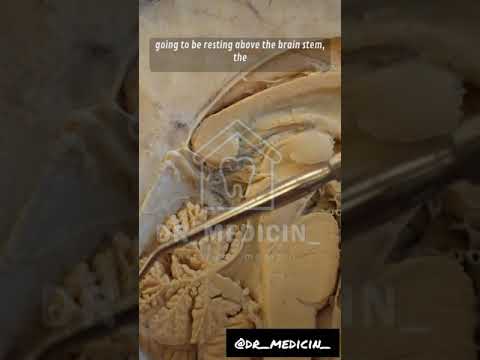
So, there I was, wandering around a dusty old museum, and bam! Right in front of me was a cow skull. It was like something out of an old Western movie! You know, the kind of thing that gets you thinking about life on the ranch and all that jazz.
But here’s the kicker: those skulls are actually way more than just eerie decor. Underneath all that bone lies a whole story of anatomy and function. Seriously, it’s wild how much these seemingly simple structures can tell us about a cow’s life.
Cow skulls are like nature’s own little puzzle pieces, revealing how these amazing creatures eat, breathe, and interact with their world. I mean, who knew studying something so seemingly ordinary could be so fascinating? There’s a lot more going on with these bones than meets the eye!
Exploring the Science Behind Cattle: Understanding Cow Biology and Behavior
Cows are more than just a source of milk and meat. They’re fascinating creatures with complex biology and behavior that can really grab your attention! When we take a closer look at cow biology, it reveals a ton about how these animals live, interact, and thrive.
First off, let’s talk about their anatomy. A cow’s body is a masterpiece of evolution. They have four stomach chambers: the rumen, reticulum, omasum, and abomasum. This unique setup allows them to digest tough plant materials like grass efficiently. It’s like having a built-in food processor! The process begins in the rumen, where bacteria break down the food into smaller pieces.
Now, you might wonder why we’d even care about cow skull anatomy. Well, their skulls are pretty interesting! The shape of a cow’s skull can tell you a lot about their diet and behavior. For example:
- The size of their nasal cavity helps with their sense of smell—super important for finding food!
- The bony structure is designed to support large jaw muscles for chewing tough vegetation.
- Also, the eye sockets provide protection while allowing great visibility to spot predators.
Speaking of behavior, cows are social animals. They form strong bonds with each other and even have best friends! Imagine that emotional connection; it’s really sweet! Cows communicate through vocalizations and body language. You can often see them nuzzle or lick one another—this is all part of forming those tight-knit relationships.
Cows also experience emotions similar to humans—fear, joy, and even anxiety. For example, if they feel threatened or stressed by loud noises or strange environments, they might become agitated. This is where understanding their biology becomes crucial for farmers. If farmers know how cows behave under stress or happiness based on their anatomical features, they can create better living conditions for them.
An interesting anecdote: I once visited a farm where the farmer had set up a large pasture full of trees and shrubs for shade. He told me that since he made this change based on observing his cows’ behavior in heat waves—like how they huddled together looking for protection—the overall happiness of his herd improved dramatically! Who knew cow comfort meant happier milk?
In summary, understanding cow biology isn’t just about knowing what makes them tick—it tells us so much more about who they are as beings with feelings and social connections. And when it comes to scientific study? Well, exploring aspects like cow skull anatomy gives insight into how these magnificent animals function within ecosystems while navigating daily challenges!
You know, when you think about cows, what usually comes to mind? Probably beef or milk, right? But have you ever seriously looked at a cow skull? Sounds a bit weird, maybe, but trust me—it’s like a whole little world of science waiting to be explored.
I remember this one time at a local fair. I wandered into the agricultural exhibit and came across a cow skull on display. I was just standing there, curious as ever. The way the light hit those bony curves and hollows was mesmerizing. Then I started thinking about how much information is packed into that structure. Like, did you realize that studying cow skulls isn’t just for fun? It actually helps scientists learn about their biology, health, and even how they relate to us humans and other animals.
So here’s the deal with cow skulls: they are like an interesting history book of the animal’s life. The shape tells us so much about how they lived. For instance, the size and shape of their nasal cavity can reveal things about their diet and environment. These mammals have evolved over time based on what they need to survive in different situations—seriously cool stuff!
But wait! There’s more! The sutures in a cow skull are also fascinating. You see these lines where different bones come together? They’re not just there for looks; they help with growth as the animal matures. Imagine being able to peer into that structure and piece together clues about its age or health issues it might have faced! It’s like being a detective but way cooler because you’re solving mysteries that happened long before our time.
And let’s not forget the role cows play in agriculture and even ecosystems. By examining their anatomy, scientists can figure out better farming practices or improve pasture management—basically making sure we can keep our bellies full without wrecking the planet.
So next time you’re munching on something beefy or sipping milk, take a moment to appreciate all that goes on behind the scenes—or should I say behind those amazing skulls? They’re not just bones; they’re intricate puzzles full of stories waiting to be told!