So, the other day, I stumbled upon a tidbit about chemicals. You know, those things we often think are just for the science geeks? Well, it turns out they’re everywhere in our lives!
I mean, seriously, even your morning coffee is a complex cocktail of chemical reactions. Crazy, right? It’s like each sip is a mini science experiment!
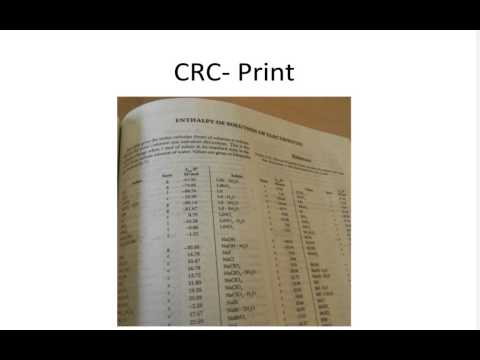
Now, if you’re curious about what’s really going on in that cup or any random substance around you, let me tell you about something cool: the CRC Chemical Handbook. This gem is packed with all sorts of goodies that help us make sense of it all.
Whether you’re whipping up a potion in your kitchen or diving into advanced research, this handbook has got your back! Sounds intriguing? Let’s take a closer look!
Top Chemistry Books for Effective Study: Your Guide to Mastering Science
Alright, let’s talk about some seriously good chemistry books that can really help you master science. You may be asking, what’s the deal with all these books? Well, just like cooking, chemistry has its recipes and techniques. The right book can show you how to mix things up effectively!
First up is the **CRC Handbook of Chemistry and Physics**. This is a classic! Think of it as your trusty guide at a party—you know, the one who always has the best trivia? It covers everything from basic concepts to advanced topics. If you’ve got questions about chemical properties or reactions, this book’s your go-to.
Another gem is **“Chemistry: The Central Science” by Brown, LeMay, Bursten, and Murphy**. This textbook does a fantastic job of breaking down complex topics into bite-sized pieces. You’ll find lots of real-world examples that make sense out of all that theory.
Then there’s **“Organic Chemistry” by Paula Yurkanis Bruice**. Now, organic might sound scary—it’s like those weird food recipes that require artisanal ingredients—but this book makes it approachable. Seriously! Bruice explains reactions and mechanisms in a way that’s easy to grasp.
And don’t overlook **“Inorganic Chemistry” by Gary L. Miessler and Paul J. Fischer**. Inorganic compounds might seem dull compared to their organic cousins, but trust me—there’s excitement in those metals and minerals! This book provides great insight into how these materials interact.
For something more specific to physical chemistry, you can’t go wrong with **“Physical Chemistry: A Molecular Approach” by Donald A. McQuarrie and John D. Simon**. This one dives deep into the theory of chemical processes while linking them back to molecular behavior—like solving a mystery where every clue counts!
So now that you’ve got a glimpse of the big players in chemistry literature, let’s sum things up:
- CRC Handbook of Chemistry and Physics – Your ultimate reference guide.
- Chemistry: The Central Science – Breaks down complex concepts smoothly.
- Organic Chemistry – Makes organic reactions easier than they look.
- Inorganic Chemistry – Unveils the wonders of non-organic compounds.
- Physical Chemistry: A Molecular Approach – Connects theory with molecular action.
Feeling overwhelmed? Don’t! Just remember that each book brings something unique to your study game. Pick one depending on what you’re most curious about or what you need help with right now.
And hey, making mistakes is part of learning! So if you’re flipping through pages thinking “what on Earth?”, just take it slow—like sifting through ingredients before throwing them into a pot! Happy studying!
Exploring Innovative Advanced Chemistry Project Ideas for Science Enthusiasts
Wow, let’s chat about some really cool ideas for advanced chemistry projects! Seriously, if you’re a science enthusiast looking to explore chemistry in innovative ways, you’ve got a treasure trove of possibilities. You can totally dive into these topics!
1. Green Chemistry
This one is super timely and important. You could explore ways to minimize waste in chemical processes. For instance, think about how you can design reactions that use less energy or create less hazardous waste. It could involve using natural substances as reagents instead of harsh chemicals. Imagine creating biodegradable plastics from plant materials!
2. Solar Energy Conversion
Another exciting area is solar energy. You could experiment with materials that capture sunlight and convert it into energy. Investigating how to improve the efficiency of solar cells might be right up your alley! Maybe you’d like to look into dye-sensitized solar cells or perovskite solar cells—they’re pretty trendy right now.
3. Chemical Sensors
Creating sensors that can detect specific chemicals in the environment is both fascinating and super useful. You could work on developing a sensor that detects pollution levels or toxic substances in water sources. Having a hands-on project around this could potentially lead to tools that help keep our environment cleaner!
4. Nanotechnology
Let’s not forget about nanotech! Working with nanomaterials opens up tons of possibilities, like improving drug delivery systems or enhancing material properties. You could try synthesizing silver nanoparticles and test their antibacterial properties—it’s not only fun but also beneficial for health!
5. Organic Synthesis Challenges
If you’re feeling adventurous, how about tackling complex organic synthesis? Try synthesizing a compound with multiple stereocenters; it sounds tough but is rewarding! There are many challenges you can find online, and it’s an awesome way to hone your lab skills while pushing your creative boundaries.
Anecdote Time!
Okay, so picture this: my friend once decided to create his own soap using organic materials at home after being inspired by green chemistry principles he learned in class. He spent days researching and experimenting until he finally crafted this amazing lavender soap! Not only did it smell fantastic, but it was also made from all-natural ingredients—what a win!
So there you have it—some innovative project ideas to get your creative juices flowing! Feel free to mix things up or come up with your own twist on any of these themes because innovation usually stems from trying something new or unexpected!
Exploring the Four Major Types of Chemistry: An In-Depth Guide to the Field of Science
Sure, let’s talk about the four major types of chemistry. Chemistry is like this giant puzzle, and each type focuses on a different part of that puzzle. So, buckle up because we’re about to break it down.
Organic Chemistry is all about the stuff that contains carbon. Seriously, it’s the backbone of life! From the food you eat to the medicine you take, it’s all rooted in organic chemistry. Think of it as the study of molecules that make up living things. So, whether it’s proteins, fats, or sugars, they’re all part of this vast landscape. Remember when you made that cookie dough? Those delicious chocolate chips? That was organic chemistry at work!
Now we’ve got Inorganic Chemistry. This one’s a bit different. It deals with everything that isn’t carbon-based and includes metals and minerals. You’ll find things like salts and other compounds here. Inorganic chemists often study materials like metals for construction or even battery technology—quite essential for our gadgets! Picture a shiny new smartphone; its materials come from inorganic chemistry.
Then there’s Physical Chemistry, which merges physics with chemistry—the best of both worlds! It dives into how chemical reactions happen from a physical standpoint. This type includes studying energy changes during reactions and figuring out how molecules behave under different conditions (like pressure or temperature). It’s kind of like watching a superhero movie where science gives us insight into how those epic explosions happen!
Lastly, we have Analytical Chemistry. This area is super cool because it focuses on analyzing what substances are made of and their quantities. Analytical chemists use various techniques—like chromatography or mass spectrometry—to identify chemicals in a sample. Imagine if someone gave you a mystery box filled with unknown goodies; analytical chemistry helps uncover what’s inside!
To sum up:
- Organic Chemistry: The study of carbon-containing compounds.
- Inorganic Chemistry: The focus on non-carbon materials like metals and salts.
- Physical Chemistry: The relationship between physical principles and chemical behavior.
- Analytical Chemistry: Analyzing substances to determine their composition.
So there you have it! Each type contributes to our understanding of the world around us in unique ways. Just think about the vast applications—from developing new pharmaceuticals to improving technology—chemistry truly touches every aspect of our lives!
So, like, whenever I think about the CRC Chemical Handbook, I can’t help but feel a little nostalgic. A while back, during college, I found myself buried in this massive book while cramming for exams. It felt overwhelming at first, but then I realized it’s kind of like a treasure chest for scientists. Seriously.
The CRC Chemical Handbook is packed with all sorts of information about chemicals—properties, reactions, and all that jazz. You know how when you’re trying to figure out why that acid you mixed with the base fizzed up? This handbook has got your back! It gives you the nitty-gritty on what happens on a molecular level.
Just picture someone trying to revolutionize a new drug or come up with an eco-friendly solution to pollution. They need reliable data and, honestly, that’s where this handbook shines. It’s not just a book; it’s a reliable companion for researchers in labs all around the world!
And get this—there are moments when you come across tables and charts that make complex ideas so much easier to grasp. Like chemistry isn’t just formulas; it’s also about understanding how different elements interact with each other. You can almost feel the excitement of discovery when you’re flipping through those pages!
But here’s what really gets me: It illustrates how science is always evolving. New discoveries mean we have to update our knowledge constantly. This isn’t just some dusty old book sitting on a shelf—it’s living literature! Science gets pushed forward when researchers can rely on accurate information.
In a way, using the CRC Chemical Handbook feels like being part of something bigger than yourself—a community pushing boundaries and advancing knowledge together. Feeling connected through shared resources is pretty motivating!
So yeah, whether you’re an expert or just starting out in science, this handbook has something valuable for everyone! Each page invites you to ask questions and explore possibilities—how cool is that?