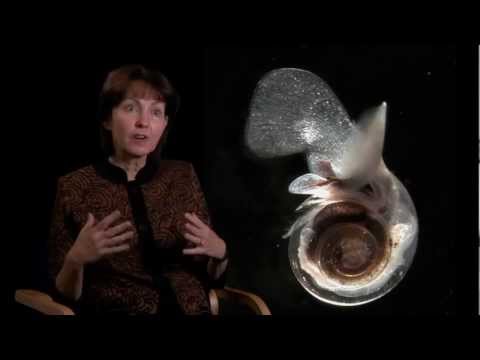
You know what’s kind of mind-blowing? The ocean is like a giant mood ring for our planet. Seriously! The acidity levels of the seawater are changing, and it’s not just because a bunch of fish are having existential crises.
Picture this: You’re at the beach, soaking up the sun, and you spot some vibrant coral reefs just off the shore. They’re like underwater rainbows! But here’s the kicker—those beautiful colors are getting washed away by something called ocean acidification. Yeah, sounds boring, but it’s a big deal for all that marine life down there.
So what’s going on with ocean pH trends? And why should we care? Strap in, because it’s more than just science jargon. It affects everything from shrimp to sea turtles—not to mention dinner plates around the world! Let’s see how these shifts impact our finned friends and what it all means for us.
The Impact of Ocean pH Levels on Marine Ecosystems: A Scientific Exploration
Let’s talk about something super important that’s happening in our oceans: the pH levels. You know, the pH scale measures how acidic or alkaline a solution is, and it’s a big deal for marine life. The ocean’s natural pH usually hovers around 8.1 to 8.3, which makes it slightly alkaline.
But here’s where it gets really concerning: human activities, like burning fossil fuels and deforestation, are pumping carbon dioxide (CO2) into the atmosphere. This CO2 doesn’t just hang out up there; a lot of it gets absorbed by the ocean. When CO2 dissolves in seawater, it forms carbonic acid, which lowers the pH level of the water. This process is called ocean acidification.
You might be wondering why this matters so much. Well, ocean acidification can really mess with marine ecosystems! To break it down a bit:
- Coral Reefs: These beautiful structures are made from calcium carbonate. When pH levels drop, it becomes harder for corals to build their skeletons. Imagine trying to build a sandcastle with wet sand—it’s tough! A decline in coral health affects many fish species that depend on reefs for habitat.
- Shellfish: Creatures like oysters and clams also struggle when pH drops. They need calcium carbonate to form their shells too! If they can’t keep their shells intact, they could face serious survival challenges.
- Plankton: The tiny plants and animals at the base of the ocean food web are super sensitive to changes in pH. If plankton populations decline because of more acidic waters, entire food chains can be disrupted.
I remember once visiting a coastal area where local fishermen shared how they’d noticed fewer oysters over time—really heartbreaking! They talked about how their families depended on these for both food and income.
The changes in ocean chemistry don’t just affect individual species; they ripple through entire ecosystems! Biodiversity, which is basically all the different types of life found in an ecosystem, could take a hit if key species start disappearing.
This isn’t just an environmental issue; what happens below the surface can impact us too! Our seafood supply might shrink if these trends continue. Plus, if coral reefs collapse due to low pH levels, you know we lose those stunning underwater habitats that also protect coastlines from storms.
To wrap this up—lower ocean pH levels are caused by human-induced CO2 emissions and have significant implications for marine ecosystems and biodiversity. Taking care of our planet means understanding these connections better!
The Crucial Role of Ocean Alkalinity in Supporting Marine Life: Insights from Marine Science
Alright, let’s talk about something that might sound a bit tricky at first but is super important: ocean alkalinity. Imagine the ocean as a giant sponge. It soaks up all kinds of things, including carbon dioxide (CO2). When CO2 mixes with seawater, it changes the water’s chemistry, leading to what’s called ocean acidification. And that’s where alkalinity comes in!
So, you know when you add lemon juice to soda? It bubbles and fizzes because the acid interacts with the fizz. Well, in a similar way, increased CO2 makes ocean water more acidic. This is problematic for marine life. Organisms like corals and shellfish rely on certain minerals to build their shells and skeletons. They need a stable environment! If conditions swing too much towards acidity, it can be tough for them to thrive.
Now, alkalinity is basically a measure of how well the ocean can resist these changes in pH. Think of it as a buffer system that helps keep those bubbles from spilling over too much! A higher alkalinity means it can neutralize some of that acid from CO2 more effectively.
- Coral Reefs: Coral reefs are like underwater cities bustling with life. They’re built by tiny coral polyps using calcium carbonate from seawater. If there’s more acidity, corals struggle to form their structures. It’s like trying to build a sandcastle with wet sand!
- Mollusks: Shellfish such as oysters and clams also use calcium carbonate for their shells. Increased acidity can make their shells thinner or even prevent them from growing properly. That’s not just bad news for them; it affects entire food chains!
- Fish Species: Fish might not depend directly on calcium carbonate, but they do need healthy ecosystems to survive and reproduce. Coral reefs provide shelter and breeding grounds for many fish species.
A while back, I read about studies conducted around some marine reserves where they measured changes in both pH and alkalinity over time. Researchers found that areas with higher alkalinity showed healthier coral growth rates compared to those with lower levels. Isn’t it cool how nature has these complex interactions? It’s like seeing how different players work together in a team!
The thing is, every time we burn fossil fuels or do stuff that increases CO2 emissions, we mess with this delicate balance in our oceans. So why should we care? Well, if marine life suffers due to changing pH levels—which are tied directly back to our actions—we lose out on biodiversity and resources that are vital for our planet.
The bottom line here is that maintaining ocean alkalinity is crucial for supporting not just marine wildlife but also ecosystems and human economies tied closely to the oceans! So next time you think about the beach or fresh seafood dinner, remember: there’s so much more going on under those waves than meets the eye!
The Impact of Ocean pH Changes on Marine Ecosystems: Understanding the Science Behind Ocean Acidification
Alright, let’s talk about something that’s super important for our oceans: ocean pH changes. Basically, the pH level tells us how acidic or basic the water is. The ocean is usually a bit alkaline, with a pH around 8.1 to 8.3. But recently, that number has been slipping downwards, and that’s not great news for marine ecosystems.
You might ask, what’s causing this drop? Well, it all comes back to carbon dioxide (CO2). As we pump more CO2 into the atmosphere—thanks to things like burning fossil fuels—much of it ends up in the ocean. When CO2 dissolves in seawater, it forms carbonic acid, which lowers the pH. This process is called ocean acidification.
So what does this mean for marine life? Let’s break it down:
- Coral Reefs: These beautiful underwater structures are made from tiny animals called corals that build their homes out of calcium carbonate. Lower pH means they have a harder time making this material. Imagine trying to build a sandcastle with wet sand—it just doesn’t stick together well!
- Shellfish: Creatures like clams and oysters rely on calcium carbonate too. If they can’t form their shells properly because of acidic waters, their populations could plummet.
- Food Web Disruption: Phytoplankton are tiny plants that start off the food chain in the ocean. When their growth gets affected by changing pH levels, it messes up everything above them in the chain—even fish populations can decline.
I remember reading about a small coastal town where oyster farms were hit hard by low pH levels. The farmers noticed their oysters were growing slower and smaller because they couldn’t form strong shells anymore. It was heartbreaking to see something so vital for both local economy and ecosystem struggle.
This isn’t just an environmental issue; it’s also social! A decrease in certain fish or shellfish means less food for communities that rely on fishing—not cool at all.
You might wonder what scientists are doing about it—well, they’re working on solutions! Some researchers are exploring ways to help corals by breeding more resilient strains or even using special seaweeds to balance out acidity levels in certain areas!
The reality is that ocean acidification is serious business. As long as we keep throwing carbon emissions into our atmosphere without taking serious action, we risk losing a lot of what makes our oceans so vibrant and alive.
So yeah, it’s essential for us to stay informed about these changes and think about how we can contribute to healthier oceans—every little effort counts!
So, you know how when you take a sip of soda and it fizzes? That fizz is because of carbon dioxide (CO2) in the drink. It’s kind of like what’s happening in our oceans. The ocean absorbs a lot of CO2 from the atmosphere, which leads to some pretty big changes in its chemistry, specifically the pH levels.
Now, the ocean is usually a bit on the alkaline side, with a pH around 8.1 or so, but these days it’s dropping—you could say it’s getting more acidic. Studies show that since the late 18th century, ocean pH has decreased by about 0.1 units. Now that might not sound like much, but in scientific terms, it’s quite significant!
You see, every little shift in pH can affect marine life dramatically. Corals? They’re like the architects of the reef ecosystem; they need calcium carbonate to build their structures. But as the water gets more acidic—thanks to that pesky CO2—they struggle to form those buildings as efficiently. Imagine trying to build a sandcastle with wet sand; it’s tough! Then there’s shellfish like clams and oysters that also have a hard time making their shells in acidic waters.
I remember snorkeling once near a coral reef—it was incredible! You could see all kinds of colorful fish zipping around and corals blooming under sunlight like underwater flowers. But if we keep letting acidification mess with their homes, who knows what will happen? Some species may thrive while others might disappear completely.
And then there are other aspects to consider—food webs and ecosystems could be thrown off balance too! If some species struggle to survive or reproduce because of changing pH levels, it can have ripple effects throughout entire marine systems.
So yeah, it’s crucial for us to pay attention to ocean chemistry trends—not just for marine life but for us too since we depend on oceans for food and oxygen production. It’s all connected! Each wave crashing against the shore reminds us that we’re part of something larger than ourselves—a massive web of life where every strand counts…even if it feels overwhelming sometimes!