So, picture this: you’re at a party, chatting it up with a friend, when someone mentions Devonian rock. Yep, that’s the moment when half the room zones out. But hey, here’s the fun part! These rocks are like the rock stars of Earth’s history. Seriously.
You know how some people are super into fossils? Well, Devonian rock is packed with them. We’re talking fish that look like they just walked off a sci-fi movie set! It’s all about that age when life started crawling out of the ocean and trying to figure out what to do on land.
Imagine hanging out in a world where giant plants and massive fish were all the rage. That’s Devonian time for you! And those rocks? They’re telling stories—like an ancient diary of our planet’s wild past. So, let’s dig into these rocks and see what secrets they hold!
Understanding the Significance of the Devonian Period in Earth’s Geological and Biological History
The Devonian Period is like this super interesting chapter in Earth’s history that lasted from about 419 to 359 million years ago. Seriously, it was a time of massive changes—both on land and in the oceans. You know, it’s often called the “Age of Fishes” because, well, fish were thriving like nobody’s business.
But let’s break this down a bit. First off, you should know that the Devonian is part of the Paleozoic era, which is basically when life on Earth was really starting to take off. The thing is, during this period, the first forests began to spread across land masses. This was huge! Those early trees were like the forefathers of our modern ecosystems.
Significance for Geology:
The Devonian saw significant geological activity too. It was a time when continents were moving around and colliding, leading to mountain-building events called orogenies. You could say it set the stage for how our continents look today.
- Rock layers from this time contain rich deposits of marine fossils.
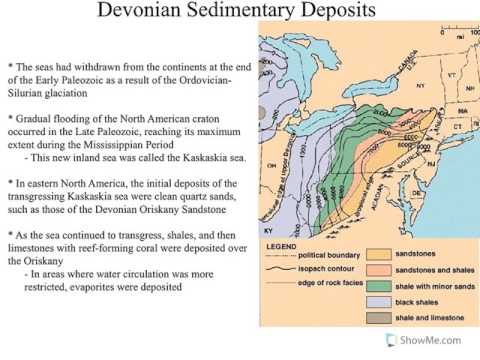
- The famous Devonian rock formations include sandstone and limestone.
- These rocks provide vital clues about the Earth’s environmental conditions back then.
Now let’s get back to those fish! Picture a world where jawless fish swam alongside armored ones like placoderms—these guys looked pretty gnarly and were top predators in their ocean habitats.
Biological Developments:
During this period, we also see some evolutionary milestones happening:
- The rise of early amphibians; they started creeping out of water.
- The development of insects; yeah, bugs made their debut!
- Coral reefs formed massively, creating diverse marine environments.
One emotional anecdote I can think of involves a friend who went fossil hunting in one of those rugged Devonian rock layers. The excitement on their face when they found an ancient coral fossil was priceless! It’s a reminder that these rocks are not just dusty old stones; they’re windows into our planet’s past.
So here’s why it matters: understanding the Devonian helps us grasp how life evolved over millions of years and adapted to changing environments. Plus, studying these ancient ecosystems can teach us about current issues like climate change and biodiversity loss.
In summary, the Devonian Period wasn’t just another stretch of time—it encompassed epic geological transformations and biological innovations that laid down some serious groundwork for life as we know it today. Isn’t that something?
Understanding Devonian Rock: Insights into Its Formation and Significance in Geology
So, let’s chat about Devonian rock. This stuff is pretty cool and tells us a lot about our planet’s history. The Devonian period, which lasted from about 419 to 359 million years ago, is often called the “Age of Fishes.” That’s because it was a time when fish were, like, super abundant and diversified.
The rocks formed during this time are mainly sedimentary. That means they were created from particles that settled out of water or were squeezed together over time. Imagine tiny bits of mud and sand being laid down in oceans or rivers, compacting under pressure. Over millions of years, these sediments turned into rock. Crazy to think about how long it takes!
- Fossil records: One reason Devonian rocks are important is that they contain some amazing fossils. You can find remains of early fishes, plants, and even some of the first amphibians. These fossils help scientists piece together how life evolved.
- Climate evidence: The conditions under which Devonian rocks formed give hints about ancient climates. For example, some deposits show evidence of warm shallow seas, indicating that Earth had a different climate back then.
- Geological structures: You’ll also find features like reefs in these rocks. Coral reefs started appearing during this period! So when you see Devonian limestone or dolostone, you’re basically looking at the remnants of ancient marine life.
I remember visiting a geological site where the walls were lined with stunning layers of Devonian rock. It felt like stepping back into time! You could almost hear the fish swimming around in those ancient waters.
Now let’s talk significance: understanding these rocks helps geologists figure out tectonic activity as well. For example, movements in Earth’s crust during the Devonian period contributed to the formation of mountain ranges we see today! That’s a big deal for anyone interested in geology.
The way these rocks interact with other geological layers also sheds light on oil and gas deposits found below them. Some important oil reservoirs are located near Devonian rock formations because their layered structure can trap hydrocarbons. So it’s not just about learning history; it has real-world applications too!
In short, studying Devonian rock is like having a front-row seat to Earth’s dramatic theater—all packed with action scenes involving evolving life forms and changing landscapes!
Major Geologic Events of the Devonian Period: Unraveling Earth’s Ancient Transformations
The Devonian Period, often called the “Age of Fishes,” spanned from about 419 to 359 million years ago. It’s a time packed with **major geologic events** that really shaped our planet. You might say it was one of those pivotal moments in Earth’s long history.
First up, let’s talk about **continental drift**. During the Devonian, continents were aligned differently than today. Parts of what we now call North America and Europe were joined together as part of a supercontinent called **Laurussia**. Meanwhile, another landmass, **Gondwana**, included present-day Africa and South America. Imagine a giant puzzle where pieces are slowly moving apart! It transformed not just geography but also climate and ecosystems.
Then there’s the coming-of-age of life on land. This period saw plants start breaking out from the water onto dry land in a serious way. Imagine forests where ferns and early seed plants ruled the roost! These plants not only changed landscapes but also started affecting air quality by producing oxygen. By pulling carbon dioxide out of the atmosphere, they opened new ecological avenues for animals to evolve.
Speaking of evolution, let’s not forget our fishy friends! The Devonian was a major hotspot for **marine life** evolution. You had jawed fish evolving into various forms, including some that would eventually lead to amphibians! And guess what? Many of these creatures thrived in huge reefs formed by corals and other organisms like sponges. Just picture vibrant underwater cities bustling with life!
Now let’s dive into some significant geologic events during this time:
- **Large-scale sedimentation**: Rivers carried sediments from land into oceans, forming thick layers of rock known as **Devonian sandstone**, limestone, and shale.
- **Mountain building (orogeny)**: The collision between Laurussia and Gondwana created vast mountain ranges—a process called orogeny—that still influence Earth’s landscape today.
- **Mass extinction events**: Towards the end of this period, there was a significant extinction event that wiped out nearly 70% of species in both marine and terrestrial environments.
So here’s where it gets even more interesting—how these geological shifts tied into life’s evolution! As rocks transitioned from one type to another due to heat and pressure through processes like metamorphism, they contributed to changes in habitats too.
You know what I find kind of touching? The idea that some creatures we admire today have ancestors that swam through ancient seas during the Devonian! Just imagine those early fish navigating past lush green landscapes—a stark contrast against their aquatic lives.
In wrapping this up (not too tidy though!), it’s clear that the Devonian Period was vital in shaping much of what we see around us today—geologically speaking and biologically too. Those ancient transformations keep whispering stories about Earth’s past right under our feet!
You know, when you think about rocks, they might not seem all that exciting at first glance. Just sitting there, silent witnesses to millions of years of history. But then there’s the Devonian rock—those ancient layers that take us back in time about 419 to 359 million years ago. Seriously, that’s like a whole other world!
The Devonian period is often called the “Age of Fishes.” Imagine schools of fish swimming around in lush waters, and huge predators prowling through the shallows. It was a time when life took some amazing turns. Plants were starting to crawl onto land, and those first forests were sprouting up. Can you picture that transition? It’s like watching your favorite cartoon evolve into a full-blown series with rich characters and plots.
Devonian rocks are really important because they hold these stories—fossils and minerals that tell us about marine life, early amphibians, and those pioneering plants. I once found a little fossilized fish jaw in a rock when I was hiking with friends. We totally geeked out over it! Like, here’s this small piece of something from eons ago just lying there waiting for someone to notice it.
And oh man, these rocks don’t just speak about life; they also reveal a lot about Earth’s climate and environments back then. They show us how oceans changed and how land formations shifted—like nature’s own scrapbook capturing different eras.
What really gets me is how interconnected everything is in geological history. Those Devonian strata contribute to our understanding of later periods too! It’s all like this vast puzzle where each piece adds something vital to the bigger picture.
So when you look at Devonian rock next time—whether it’s during a hike or just casually rolling one around in your hand—remember it’s not just stone. It’s part of an epic tale that weaves together life on Earth through the ages. That’s pretty cool if you ask me!