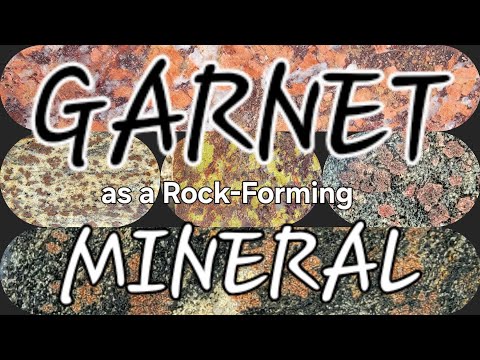
You know how every rock has its story? Well, garnet is like that one friend who always seems to have the craziest tales. Seriously! This shiny red gem is not just something you find in your grandma’s jewelry box; it’s also a major player in Earth’s drama beneath our feet.
So, here’s the deal: garnet is a metamorphic rock that forms under intense pressure and high temperatures. Think of it as Mother Nature putting rocks in a pressure cooker. The result? A gorgeous gem that tells us tons about the geological processes happening deep inside our planet.
Isn’t it wild? That little glimmering stone could hold secrets of ancient mountains and tectonic movements. It’s like a time capsule made by nature itself! So, if you’ve ever been curious about what makes garnet tick—or rather, metamorphose—let’s chat about its geological significance and why it matters so much!
Understanding the Importance of Garnet Metamorphic Rock in Geoscience and Earth History
Garnet metamorphic rock is pretty fascinating when you think about it. You know how rocks tell stories? Well, garnet rocks are like the pages of a thrilling geological novel. They hold clues about Earth’s history and what went down millions of years ago.
So, what exactly is garnet? It’s a mineral that forms under high pressure and temperature conditions, often during metamorphism. Basically, when existing rocks—like shale or granite—are subjected to intense heat and pressure deep within the Earth, they change. This transformation creates new minerals, including garnet.
Why is this important? For starters, garnets can provide valuable information about the environment in which they formed. They help geologists determine the temperature and pressure conditions during metamorphism. Imagine you find a garnet-rich rock; you could analyze it to reveal how deep it was inside the Earth and how hot it got! Isn’t that cool?
- Metamorphic Processes: Garnet forms through metamorphic processes, which change rocks without melting them. This gives us insights into tectonic movements and mountain-building events.
- Geological Time: Since different types of garnets form at specific conditions over time, they act like clocks for geologists, helping them date the rocks around them.
- Biodiversity and Resources: Some areas rich in garnet can also be havens for unique biodiversity or may contain resources valuable for construction or industrial use.
When I think of garnets, I remember a geology trip I took way back in college. We hiked up a mountain (okay, maybe “hill” is more accurate) to collect samples and found this stunning garnet schist sparkling in the sun. Holding that rock felt like holding a piece of history; we were digging through time!
Now let’s chat about how these beautiful stones are classified. There are different varieties of garnets: almandine, pyrope, spessartine… each one has its own special place in this geological puzzle. Each type reflects different conditions under which they formed.
The bottom line? Garnet metamorphic rock isn’t just pretty; it’s critical for understanding our planet’s past and present dynamics. They offer clues about tectonic plates shifting around like puzzle pieces over millions of years! Geoscientists study them not only to learn but also to predict future geological activity.
So next time you see a shiny piece of garnet or come across one on your hikes (or even at a jewelry store!), remember there’s a whole story behind it waiting to be told… like an epic saga carved into stone!
The Significance of Metamorphic Rocks in Geological Studies: Understanding Earth’s Processes and History
Metamorphic rocks might sound like a dry topic, but they tell us so much about our planet’s history! Basically, these rocks form from existing rocks that change due to heat, pressure, and chemically active fluids. It’s like a makeover for rocks. They start off as sedimentary or igneous rocks and get all transformed under intense conditions deep in the Earth’s crust.
One of the coolest metamorphic rocks is **garnet schist**. You’ve probably heard of garnet before; it’s a beautiful gemstone often found in jewelry. But in geological terms, garnet schist contains these crystals as part of its fabric. Their presence indicates high-grade metamorphism—meaning the rock has undergone significant changes because of intense heat and pressure.
So why are these metamorphic wonders significant?
- Revealing Earth’s History: The minerals found in garnet schist can actually tell us about the conditions under which they formed. Each mineral has its own “style” based on temperature and pressure. By studying them, geologists can reconstruct past environments.
- Understanding Tectonic Activity: When tectonic plates move and collide, it creates immense pressure. This process leads to metamorphism and helps scientists figure out how mountain ranges were formed over time.
- Indicator of Resource Locations: Some minerals that emerge during metamorphism can contain valuable resources like aluminum or graphite! Knowing where to look for metamorphic rocks can lead to discovering useful materials.
- Biodiversity Insight: Surprisingly, studying how these rocks form can also give hints about climate changes that have affected life on Earth throughout history.
I remember reading about a geologist who discovered garnet schist while hiking one afternoon in the mountains. The excitement he felt was contagious! He explained how each tiny crystal could reveal secrets about ancient oceans or even volcanic activity millions of years ago. This connection between geology and personal experience makes it all super relatable!
In essence, studying metamorphic rocks like garnet schist is crucial for piecing together our planet’s elaborate story. Every grain holds clues—not just about geological processes but also about the evolution of life itself! So next time you see those shiny garnets glinting at you from a rock face or store shelf, maybe think about the epic journey they went through to get there!
The Unique Science Behind Garnet: Discovering Its Exceptional Properties and Applications
Garnet is a really cool mineral, and it’s not just pretty to look at. This gemstone comes in a bunch of different colors—like red, green, and even orange—but what really makes garnet stand out is its amazing properties and the role it plays in geology.
First off, garnet forms under high pressure and temperature conditions. You know that feeling when you’re all cozy in your favorite blanket? Well, garnet’s made under those intense ‘blanket’ conditions deep within the Earth. It usually pops up during the metamorphism of other rocks like shale or granite.
The types of garnet vary quite a bit. There are about six common varieties, but the most well-known ones are pyrope (the classic deep red), almandine (reddish-brown), and spessartine (a nice orange). Each type has its own unique chemical composition that gives it special characteristics.
So what makes garnet interesting for scientists? One big reason is its use as an indicator mineral. That’s kind of like how you can tell where someone has been based on their shoes; garnet can tell geologists about the conditions under which a rock formed. By studying its composition, geologists get clues about temperature and pressure during metamorphism.
You might be surprised to learn that garnets aren’t just a pretty face. They find their way into many industrial applications too! For instance, they’re used as abrasives in sandpaper and industrial cutting tools because they’re super hard. Picture someone trying to cut through metal—having a sharp piece of garnet around would do the trick!
Now let me share something personal here. When I was younger, I found a small piece of garnet on a family hike. At first glance, it looked just like any other stone—but once I learned about its significance and beauty, I saw it in a new light! Kinda like realizing your boring old rock is actually an ancient time traveler from deep within our planet.
Garnets also have some unique optical properties. They can transmit light differently depending on their variety which can be incredibly useful in geological studies. Think about how different colors catch your eye; well, garnets do that with light at certain angles!
In summary, through understanding garnet’s formation processes and properties, we gain insights into our Earth’s history—and that’s pretty profound! These gemstones might seem simple at first glance but they pack some serious scientific punch! So next time you see one sparkling away in a jewelry store or on the ground during a hike, remember there’s so much more going on beneath that shiny surface!
You know, garnets are one of those rocks that sound fancy but have a fascinating story to tell. When you think about metamorphic rocks, garnets often pop into the mix. They’re not just beautiful gemstones; they actually give us a pretty solid insight into how the Earth works, like a secret code written in stone.
So, picture this: you’re hiking up a mountain and suddenly you stumble upon these shiny red or green stones scattered on the ground. That’s garnet for you! These little gems form under extreme heat and pressure deep within the Earth where rocks are transformed over time—like your old t-shirt turning into a cozy blanket after years of use. This process is called metamorphism, and garnets can be found in these altered rocks, hanging out with other minerals.
Garnets themselves come in various types—like almandine (the reddish one we often see) or spessartine (the orange-ish variety). Each type forms under different conditions, which means they can tell geologists a lot about what was happening in that area millions of years ago. It’s like reading history in geological form! For instance, if you find almandine garnets in some schist (a type of metamorphic rock), it might suggest that the area was once subjected to high temperatures and pressures. Cool right?
There’s something magical about how these minerals are formed too! The conditions down there are no joke; it’s hot enough to melt rock and crush it together to create something new. And every time I read about how these processes work, I’m blown away by the raw power of nature. It reminds me of when I first learned how volcanoes erupted—just mind-boggling!
On top of that, garnets have practical uses too! You can find them in abrasives for cutting tools or even used as sandpaper. So besides their geological significance, they’re super handy in everyday life.
But for me personally? I remember visiting an old quarry once where they mined garnet. Standing there surrounded by these ancient formations made me feel small yet connected to everything around me—like I was part of some grand narrative stretching back eons. It’s kind of humbling when you think about it.
In short, garnet isn’t just another pretty stone; it’s important for understanding our planet’s past. Just imagine all those forces at play deep underground shaping beautiful treasures just waiting to be found! We’re not just looking at rocks here; we’re peeking into Earth’s history book—and that’s simply awesome if you ask me!