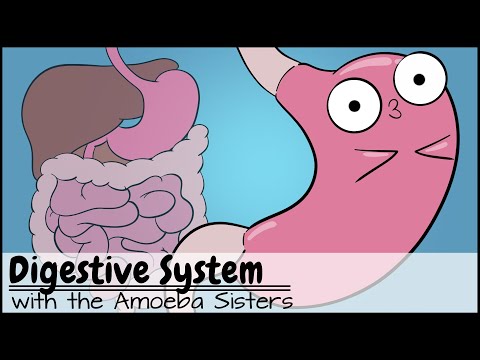
Ever found yourself in a deep debate about why that slice of pizza made you feel like a rock? Yeah, me too. It’s wild, right? We munch on all these tasty foods, but do we ever stop and think about what really happens inside our bodies after that first bite?
Digestion is kinda like a magic show. Seriously! Your food disappears, only to reappear as energy or waste. But unlike any magic trick you’ve seen, this one involves a ton of organs working together behind the curtain.
So, here’s the deal. Digestion isn’t just about breaking down food. It’s an intricate dance of hormones and enzymes, nutrients and gut bacteria. And trust me, each step matters for your overall health.
Why do we care? Because understanding digestion can help us make better choices for our bodies. You follow me? Buckle up—this is gonna be one tasty ride!
Understanding Human Digestion: A Comprehensive Overview of Digestive Physiology in Biological Science
Alright, let’s talk about the amazing journey of food through your body. The process of digestion is, honestly, a bit like a complex adventure story. You’ve got all these characters—your mouth, stomach, intestines—playing their roles to turn that delicious pizza into energy for your body.
First off, it all starts in the mouth. When you take a bite, you’re not just chomping down. Your teeth are like little chefs chopping food into manageable pieces. As you chew, saliva gets involved too. It’s packed with enzymes that kick off the breakdown of carbohydrates right there! Think of it as the opening scene where everything begins.
Then comes the esophagus, which is like a slide for food. Once you swallow, muscle contractions push the food down to your stomach. This process is called peristalsis—fancy word for a natural wave motion that moves food along.
The stomach is next on this wild ride! It’s where things get really intense. Your stomach acid and digestive enzymes mix with the food to create something called chyme (sounds gross but it’s just partially digested food). This acidic environment helps kill off any nasty bacteria that tag along for the ride.
From there, we enter the small intestine. This is where most of the magic happens! It’s super long—about 20 feet or more—and has tiny folds and villi that absorb nutrients into your bloodstream. Imagine a big sponge soaking up all those vitamins and minerals when they’re ready.
Now let’s not forget about the pancreas and liver. The pancreas sends enzymes to help break down fats and proteins further down in your small intestine. Meanwhile, bile from the liver helps emulsify fats so they can be absorbed better. They’re like your behind-the-scenes crew making sure everything runs smoothly.
Once all those nutrients are absorbed, what’s left moves into the large intestine. Here, water is absorbed, and what remains turns into waste—yup, it’s time for it to exit stage left! The large intestine also hosts tons of good bacteria that help break down leftover material.
So how does this relate to human health? Well, if anything goes haywire in this system—like if there’s an imbalance in gut bacteria or digestive enzymes—you might face issues like bloating or poor nutrient absorption.
Understanding how digestion works gives us insight into maintaining our overall health. Eating well-balanced meals full of fiber can keep everything moving smoothly through this incredible system!
And remember: be kind to your tummy! Staying hydrated and choosing whole foods makes a world of difference in how well your body digests what you eat. Just think about how much work goes on behind-the-scenes every time you sit down for a meal!
So yeah, digestion might seem simple at first glance but it’s really this fine-tuned orchestra playing together seamlessly—each part crucial for keeping you energized and healthy!
Exploring the Complexity of the Human Digestive System: A Scientific Overview
Alright, so let’s chat about the human digestive system. It’s a pretty wild ride, full of twists and turns that most people don’t really think about. You know, when you munch on an apple or slurp up a pasta dish, there’s a whole lot more going on than just chewing and swallowing!
The journey of food begins in your mouth. Here’s where it all starts—your teeth break down the food while your saliva gets things nice and slippery. Saliva contains enzymes like amylase, which kickstarts the breakdown of starches. From there, you swallow it down into your esophagus, which is basically a tube connecting your mouth to your stomach.
Once the food hits the stomach, that’s when things get really interesting! The stomach is like this acid-filled blender. It churns everything up with its muscular walls and mixes it with gastric juices—made up mostly of hydrochloric acid and pepsin. This acid not only helps digest proteins but also wipes out nasty bacteria that might have hitchhiked along for the ride.
- The small intestine: After the stomach does its thing, food heads into the small intestine. This place is super long—about 20 feet! Here, most nutrient absorption happens. The pancreas pumps out enzymes to help break down carbs, proteins, and fats further.
- The liver: Don’t forget about this guy! It produces bile, which is stored in the gallbladder until needed for fat digestion. Bile is crucial because fats don’t mix well with water—they need bile to break them down into smaller droplets so enzymes can do their magic.
- The large intestine: Finally, any leftovers move into the large intestine (or colon), where water gets reabsorbed and what’s left turns into waste. Yep, this is where we say goodbye!
You might be amazed at how much goes on while you’re just chilling after a meal! Think about that time you gobbled down some spicy tacos last week—your body was busy breaking everything apart well before you asked for more salsa!
But wait—there’s a bit more to this puzzle. The entire digestive system isn’t just about breaking down food but also plays a massive role in immune function. A good chunk of our immune system hangs out in our gut! It protects us from pathogens while also keeping our gut flora balanced—a mix of good bacteria crucial for digestion.
When things go haywire—like if you eat too many greasy fries or get stressed—the balance can shift. That can lead to issues like bloating or even digestive disorders like IBS (Irritable Bowel Syndrome). It’s wild how interconnected everything is!
So next time you’re savoring a delicious meal or maybe even feeling a bit queasy after one too many slices of pizza, remember: there’s an entire universe at work inside you that makes sure everything runs smoothly—or tries its best anyway! Crazy how something as simple as eating connects with our health on so many levels!
Understanding the Complex Process of Digestion: A Scientific Exploration
Digestion is, like, one of those amazing things our bodies do without us even thinking about it. Seriously! It’s a complex process that involves breaking down the food you eat into nutrients your body can actually use. So, buckle up, and let’s explore this fascinating journey!
First up, it all kicks off in your mouth. When you take a bite of food, your teeth chop it into smaller pieces—think of it as prepping the ingredients for a great recipe. This is called mechanical digestion. Your saliva helps too; it has enzymes that start breaking down carbohydrates. Ever notice how bread tastes sweet if you chew it long enough? Yeah, that’s those enzymes at work!
After your mouth does its thing, the food heads down your esophagus—the tube connecting your throat to your stomach. This part’s pretty cool because it uses wave-like muscle contractions to push the food along. It’s like a roller coaster for your dinner! Once it hits the stomach, things get real.
In the stomach, we dive into chemical digestion. The stomach lining produces gastric juices which are super acidic—kind of like battery acid! But don’t worry; it’s totally normal and essential for breaking down proteins and killing off any nasty bacteria lurking in your food. Picture this: it’s like having a bouncer at the door of a club who checks IDs and doesn’t let in anyone shady.
Once the food is mixed with those juices and turned into what we call chyme (gross but cool name, right?), it heads to the small intestine. This little guy is where most digestion and absorption happens—like 90% of nutrient absorption goes down here! The walls of your small intestine are covered in tiny finger-like projections called villi that increase surface area for absorption.
- The small intestine has three parts: duodenum, jejunum, and ileum.
- The duodenum, right at the start, gets help from bile (produced by your liver) and pancreatic juices to break everything down even further.
- The jejunum absorbs nutrients like sugars and amino acids.
- The ileum, basically wraps things up by absorbing bile acids and vitamin B12.
You might be wondering about fiber—is that important? Totally! Fiber isn’t digested but helps keep everything moving through your intestines smoothly. Think of fiber as a friendly traffic cop directing everything along without any jams!
After all this nutrient magic happens in the small intestine, what’s left moves into the large intestine or colon. Here’s where water is absorbed back into the body while bacteria hang out to ferment some leftover stuff (yeah!) creating gases that… well, let’s say they can be quite explosive later on!
Your body packages whatever doesn’t get used – like undigested food – into stool to be eliminated later through… you guessed it… pooping! And there you have it—a wild ride from taco night to toilet time!
This whole digestive process doesn’t just nourish you—it also plays an important role in overall health. If something goes wrong somewhere along this journey—like with ulcers or IBS—it can really impact how you feel day-to-day.
<p so next time you're munching on something tasty or maybe indulging in dessert after dinner (hey!), remember all this hard work happening inside you 24 7. your body sure knows how to turn those fries into fuel!
You know, digestion is something we all take for granted. I mean, we eat our meals, and it seems like magic how our bodies transform food into energy. But when you really think about it, the whole process is super complicated! It’s not just about munching on a burger or slurping up some spaghetti; it’s this intricate dance happening inside us that plays a huge role in health.
So picture this: you’ve just finished a meal, and your stomach feels all warm and cozy. That’s because your body has kicked into gear. The moment food hits your mouth, enzymes in your saliva start breaking things down—not to get too nerdy on you or anything, but that’s just the start! The food then travels to the stomach where acids and more enzymes do their thing. It’s like a wild party in there!
But here’s where things get interesting (and sometimes messy). Your gut isn’t just passively waiting for food to come along; it’s home to trillions of bacteria—like tiny personal trainers for digestion. They help break down stuff that our bodies can’t manage on their own. Crazy, huh? When I learned about gut microbiota, I was genuinely shocked at how much they influence everything from digestion to mood swings.
And then there’s absorption—another level of complexity! After being broken down in the intestines, nutrients are absorbed into the bloodstream. Just imagine: vitamins and minerals zipping through your body like little delivery trucks ensuring every cell gets what it needs. If this process is off even a bit—like if someone has an imbalance in gut bacteria or issues with absorption—it can lead to health problems down the line.
I once had a friend who struggled with digestive issues for years. It was heartbreaking seeing them deal with symptoms while doctors tossed around different diagnoses without getting to the root of the problem. Turns out, their gut health was all out of whack due to stress and diet choices! Once they started focusing on improving their digestion—adding probiotics and fiber—their whole outlook changed.
That experience really opened my eyes to how crucial digestion is for overall wellness. It goes beyond just feeling full; it affects immunity, energy levels, even mental health! We often overlook how these intricate systems work together in harmony but trust me when I say that every bite counts.
So yeah, next time you sit down for a meal—and let’s be real; we all love good food—take a moment to appreciate all those complex processes going on inside you. It’s pretty wild when you think about it!