You ever wonder how your body knows how to do all the amazing stuff it does? Like, seriously, it’s like a super complex recipe book in every single one of our cells!
Imagine this: You’ve got DNA, which is basically like a super long instruction manual. But here’s the kicker—this manual can’t just go strolling out into the world. Nope! It’s got to send out little messengers to get things done.
That’s where mRNA steps in. Think of mRNA as the delivery guy bringing the takeout from your favorite restaurant—delivering deliciousness right to your cells. But what really happens from DNA to mRNA? Buckle up, because we’re about to take a journey through this wild ride in biology!
Understanding the Molecular Pathway: Steps from DNA to mRNA in Cellular Biology
Alright, let’s talk about how your body makes proteins because this whole process is super fascinating! It all starts with DNA, the blueprint of life. Imagine DNA as a cookbook filled with recipes for every protein you need. But wait, you can’t just grab the cookbook and cook right away. You first need to make a copy of the recipe you want, and that’s where mRNA comes in.
What is mRNA? So, mRNA stands for messenger RNA. It’s like a photocopy of a specific recipe from our DNA cookbook. This copy is crucial because DNA stays safely tucked away in the nucleus of cells and doesn’t leave. The journey from DNA to mRNA involves several key steps:
- Transcription: This is where the magic begins! Enzymes called RNA polymerases play a big role here. They unzip the double helix of your DNA so they can read one strand—imagine unzipping a jacket to reach inside.
- The Coding Strand: When RNA polymerase reads the unzipped DNA, it actually uses the template strand to make mRNA. The coding strand is like the original recipe while the template strand is more like shorthand notes for what to do.
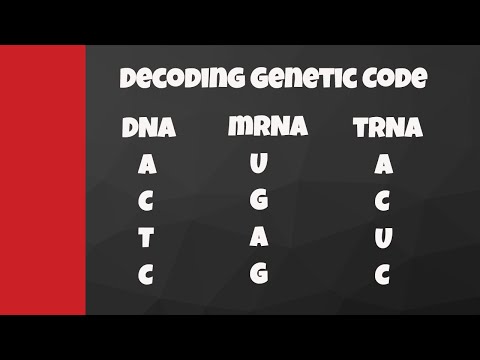
- Complementary Base Pairing: As RNA polymerase slides along, it adds complementary nucleotides to form mRNA. So if there’s an A in your DNA, it pairs with a U in mRNA instead of T (just one little tweak!).
- Capping and Polyadenylation: Once transcription wraps up, we need to give that mRNA some protection! A special cap gets added at one end and a tail at the other—these help it survive its journey out of the nucleus.
- Splicing: Sometimes our initial mRNA has extra bits called introns that we don’t need. Splicing cuts these out so only important sequences (exons) remain. It’s like tidying up before presenting your final dish!
This newly formed mRNA is now ready to leave the nucleus! Picture it sneaking through tiny pores in cell membranes called nuclear pores as if it’s making an escape from its hidden lair.
The Final Destination: After leaving, this mRNA travels into the cytoplasm where ribosomes await—the sites for protein synthesis. This step makes sure our ‘recipe’ translates into something tangible (a protein!) that can do work in your body.
If you think about all this happening inside tiny cells every single moment—like thousands of chefs prepping different dishes—it gives you an appreciation for how complex yet beautifully orchestrated life really is!
Your cells constantly read these recipes and whip up proteins that help us grow, heal wounds, or even digest food—all thanks to that amazing journey from DNA to mRNA!
Understanding the Coding Strand of DNA and Its Role in mRNA Synthesis: A Comprehensive Overview
Alright, let’s take a look at the coding strand of DNA and what it does when it comes to making mRNA. The whole process might seem like a lot, but once we break it down, you’ll see how it all fits together.
First off, DNA is like the instruction manual for your body. Imagine you’re piecing together a huge puzzle. Each piece is vital to figuring out how everything looks in the end. Inside those pieces—called nucleotides—there are four types: adenine (A), thymine (T), cytosine (C), and guanine (G). They pair up to form the double helix structure that everyone’s seen before.
Now, when we talk about the coding strand of DNA—it’s one half of the double helix that contains the actual code for proteins. Think of this strand as a script in a play, where each sequence of bases corresponds to specific instructions on how to build something. The other half is called the template strand and helps make mRNA.
Here’s where it gets interesting. During a process called transcription, our coding strand gets read by an enzyme known as RNA polymerase. Picture it like a train reading those script lines aloud for everyone else on stage to hear.
So what exactly happens?
- Step 1: RNA polymerase binds to a specific spot on the DNA called the promoter.
- Step 2: The enzyme unwinds the DNA, separating those two strands.
- Step 3: It starts reading the coding strand, and for every nucleotide it encounters, it adds complementary RNA nucleotides: A pairs with U (uracil replaces thymine here), C pairs with G.
- Step 4: Once RNA polymerase has finished reading until it hits a termination signal, you’ve got your mRNA ready!
After transcription is done, that new mRNA molecule isn’t ready to go just yet. It gets some modifications; think of adding finishing touches before it’s sent out into action. It has things added like a cap and tail and then gets spliced—meaning some non-coding sections get removed.
Here’s something cool: this whole process allows your cells to respond dynamically to changes in their environment! If your body needs more energy because you’re running late or need extra defenses against germs—it can quickly churn out proteins thanks to these instructions stored in DNA.
To wrap this up: from the coding strand of DNA through transcription into mRNA is like following directions to bake cookies from scratch! You gather ingredients (nucleotides), follow steps (transcription), add final touches (modifications), and voilà! You’ve got something delicious—or in cellular terms—a new protein ready for action!
So next time you think about what makes us tick at the molecular level, remember that little journey from DNA coding strand all way through mRNA synthesis—it’s pretty impressive how all parts work together!
Understanding the 7 Steps of Transcription: A Scientific Guide to Gene Expression
Transcription is like turning a book into an audiobook. Both have the same story, but one is read aloud. In this case, DNA is the book, and mRNA (messenger RNA) is the audiobook that cells use to understand what proteins to make. So, let’s break down the seven steps of transcription that transform DNA into mRNA.
1. Initiation
This is where it all kicks off. The enzyme RNA polymerase finds a section of DNA called the promoter. This region acts like a start signal for transcription. Basically, it’s where the copying begins. RNA polymerase attaches to this promoter region and unzips the DNA strands.
2. Unwinding
Here, you’ve got a cool visual—imagine a zipper on a jacket being pulled down! The two strands of DNA separate so that one can serve as a template for making mRNA. This separation creates what’s called a “transcription bubble.”
3. Template Strand Selection
Only one strand of the DNA will be copied—the template strand—while the other strand just chills out in this process (that’s called the coding strand). The template strand is chosen because it has instructions for assembling mRNA.
4. RNA Synthesis
Now comes the fun part! RNA polymerase starts building mRNA by adding complementary nucleotides based on what’s on the template strand. If there’s an adenine (A) in DNA, you get uracil (U) in mRNA instead of thymine (T). It’s like playing with building blocks: one shape goes with another!
5. Elongation
As RNA polymerase continues its work, it moves along the template strand, creating a long chain of mRNA as it goes along—kind of like pulling out yarn from a ball while knitting! The newly formed mRNA gets longer and longer during this phase until it’s complete.
6. Termination
At some point, RNA polymerase reaches a sequence that tells it to stop; think of this as hitting “pause” on your audiobook! This sequence signals that transcription should end and allows for detachment from the DNA.
7. Processing
Finally, after transcription is complete, there’s a bit more work to do before our shiny new mRNA can hit the road:
- The addition of a 5′ cap helps protect our message and assists with recognition.
- A poly-A tail gets added at the end which stabilizes it.
- Certain segments called introns are removed through splicing—you don’t want unnecessary stuff cluttering up your message!
Once all this processing wraps up, our ready-to-go mRNA heads out into the cytoplasm for translation—the next step in making proteins.
So there you have it! Transcription isn’t just about copying genes; it’s about making sure cellular messages get delivered properly so your body knows how to function smoothly every day! You follow me?
Alright, picture this: you’re in a crowded room full of people chatting away, and someone passes you a note. You unfold it, and there, scrawled in a messy handwriting, is a recipe for your favorite dish. Exciting, right? Well, that’s kind of how our cells work when it comes to DNA and mRNA!
Here’s the thing: DNA is like that secret recipe stored in your grandma’s old cookbook. It holds all the instructions needed to make everything about you—your hair color, how tall you are, even what makes you laugh at the silliest jokes. But the real magic happens when that information needs to be used. This is where mRNA comes into play.
So let’s break it down a bit. The “coding strand,” or the template part of DNA we’re talking about here, gets transcribed into mRNA. Think of transcription as copying down that recipe onto a neat notepad so you can easily follow it while cooking—no one wants flour all over their grandmother’s precious book!
When this transcription happens, enzymes swoop in like little helpers and start reading the DNA sequence. Imagine them as attentive friends who don’t want to miss any ingredient—a T (thymine), an A (adenine)… they just go through one by one! So they read these codes on the coding strand and write them down in RNA language. RNA has uracil (U) instead of thymine (T), but hey, it’s still similar enough!
Let me share something personal here. A while back, I was trying to bake cookies for a family gathering… and honestly? I was nervous! I followed my mom’s recipe step by step because I didn’t want to mess things up out of excitement or forget any ingredients! That tension before finally tasting those cookies—was it good or not? That thrill is pretty similar to what happens in cells when they turn DNA into mRNA.
After that transcription process finishes up, this newly made mRNA heads out from the nucleus—kind of like my freshly baked cookies leaving the oven—ready for its next adventure: translation! This is where ribosomes come into play; they read what’s written on that mRNA note and start piecing together proteins based on those instructions.
And that’s how something as tiny as mRNA can lead to big changes in our body! From DNA’s recipes stored safely away to mRNA taking charge out in the kitchen reminds us just how intricate yet beautiful our biological systems are.
So think about it next time you’re whipping up something delicious; our cells are constantly cooking up new proteins using their own special recipes hidden deep inside DNA—it’s pretty amazing stuff!