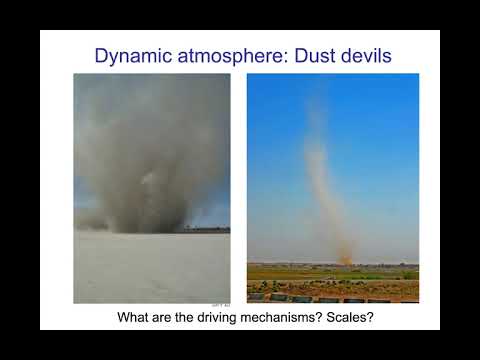
You know that feeling when you step outside and it’s, like, sunny one moment and pouring the next? Crazy, right? I mean, do the clouds just change their minds on a whim?
Well, that’s basically what dynamic meteorology is all about! It’s the study of how our atmosphere dances with itself—like a wild party where something new happens every second.
Imagine trying to predict how a bunch of hyperactive kids will react at a birthday bash. One moment they’re playing tag; the next, they’re huddled up crying over spilled cake. That’s weather for you!
So, if you’re curious about how we figure out whether it’ll rain or shine tomorrow—or why your picnic got ruined last week—stick around. Let’s chat about this fascinating world and see how scientists are getting better at cracking the weather code together.
Understanding Dynamical Meteorology: The Science Behind Weather Patterns and Atmospheric Dynamics
Alright, let’s chat about dynamical meteorology. You know, the cool science that explains why it rains one minute and is sunny the next? It’s all about understanding weather patterns and how the atmosphere dances around to create them. Seriously, it’s like nature’s own chaotic choreography!
The thing is, weather isn’t just a random act; it’s driven by forces that change constantly. Think about the atmosphere as a massive ocean of air with waves and currents. These currents help in transferring heat, moisture, and momentum. A lot goes on up there—like a giant engine making our weather tick!
Dynamical meteorology rolls into play when we start to look at the math and physics behind these movements. It’s about understanding equations that describe how air moves—how pressure changes affect wind speed, for instance. But don’t worry if math isn’t your favorite subject; just know that these calculations help predict what tomorrow’s weather will be like.
- Pressure Systems: High-pressure systems mean clear skies and calm weather, while low-pressure systems can cause storms or heavy rain. It’s like a see-saw! If you push down on one side (low pressure), the other side has to lift (high pressure). The result? Wind!
- Coriolis Effect: This is the reason why storms swirl. Because Earth rotates, things moving across its surface are deflected—like how a soccer ball curves when kicked at an angle.
- Airmasses: Different types of air come from different places—some are warm and moist from oceans; others are cold and dry from mountains. When these meet, bam! Weather changes happen!
- Jet Streams: Picture fast-flowing rivers of air high up in the atmosphere. They guide weather patterns like currents guide boats. Strong jet streams can kick-start storms or keep them away.
You might be thinking, “Okay, cool stuff! But why does this matter?” Well, understanding this science helps us prepare for what’s coming next week—or even next hour! Imagine being caught off guard by a thunderstorm because we didn’t get the forecast right. No fun at all!
I’ll share a quick story: One time while camping with friends, we were blissfully roasting marshmallows when suddenly dark clouds rolled in out of nowhere! To make things worse, our phone batteries died before we could check the radar. Long story short—we ended up drenched but learned that checking actual forecasts was way better than trusting those random looks at clouds.
You see? All this work in dynamical meteorology helps make sense of those unexpected rain showers or heat waves we sometimes face. So next time you hear a weather report or see ominous clouds gathering overhead, you’ll have an idea of what’s happening behind the scenes in our ever-changing atmosphere!
The bottom line is: Weather isn’t just guesswork—it’s grounded in solid science that helps us understand our planet better every single day.
Exploring the Four Types of Meteorology: A Comprehensive Overview in Atmospheric Science
So, let’s talk about meteorology! It’s the science that deals with the atmosphere and all its quirky behaviors. When we think of meteorology, most of us might just picture weather forecasts on TV, but there’s so much more to it! There are actually four main branches of meteorology, each focusing on different aspects of our atmosphere. So grab your umbrella or sunhat, and let’s explore these types!
1. Dynamic Meteorology
Dynamic meteorology is really about understanding how air moves and how it behaves. Think of it like studying a dance in the sky—how air masses swirl around and interact with each other. It involves complex mathematics and physics to explain phenomena like storms or hurricanes. For example, when warm air rises and meets cold air, you often get thunderstorms. That’s dynamic meteorology in action!
2. Synoptic Meteorology
Next, we have synoptic meteorology, which is like taking a snapshot of the weather over a large area at a particular time. This branch looks at weather patterns using maps that show things like pressure systems, wind direction, and precipitation. You can think of it as connecting the dots; forecasters examine these patterns to predict the weather for a few days ahead. You know those big high-pressure systems that usually bring clear skies? Yep, that’s what synoptic meteorologists track.
3. Climatology
Now we come to climatology—the study of long-term weather patterns over decades or even centuries! This branch looks at averages and trends rather than day-to-day changes. For instance, did you know that some places are getting hotter over the years? Climatologists study temperature records to understand climate change effects better—like predicting future heatwaves or rainfall changes based on historical data.
4. Applied Meteorology
Last but not least is applied meteorology, which takes all this knowledge from the other branches and uses it in real-life situations! This can mean anything from improving agriculture, helping airlines determine flight paths based on weather conditions, or even planning for natural disasters like floods or hurricanes so communities are prepared. It’s all about using science for practical benefits.
So there you have it—a quick trip through the four types of meteorology! Each plays a crucial role in helping us understand our atmosphere better and make informed decisions based on that knowledge. Every time you check your weather app or hear about heavy rain coming your way—think about all those scientists working behind the scenes to keep you in the loop!
Transitioning from Physics to Meteorology: A Guide for Aspiring Weather Scientists
Transitioning from Physics to Meteorology can feel like moving from one familiar world into a slightly different universe. But honestly, if you’ve got a passion for understanding how our atmosphere works, this is an exciting journey!
You see, meteorology and physics are tightly intertwined. Physics gives you the mathematical framework and understanding of forces, motion, and energy. These concepts are essential for studying weather patterns. Think of it like this: just as gravity pulls everything down, air pressure and temperature differences drive our wind and storms.
If you’re bridging these two fields, there are a few things to keep in mind:
- Mathematics Skills: Expect to dive deeper into calculus and differential equations. You’ll be using these tools pretty often to model weather systems.
- Atmospheric Dynamics: Get comfy with topics such as fluid dynamics and thermodynamics. They describe how air moves and interacts with heat!
- Data Analysis: Familiarize yourself with programming languages like Python or R. A lot of meteorological research involves handling big datasets!
- Remote Sensing: Learn about satellite data! You know those beautiful images of Earth from space? They play a crucial role in modern weather forecasting.
Now, here’s where it gets really cool—you get to apply all that physics knowledge! So imagine this: you’re out there predicting storms or tracking hurricanes, using principles you already understand. There’s something super rewarding about knowing that those equations translate directly into real-world weather forecasting.
I remember once, while gazing at a storm brewing on the horizon during my own transition phase, I had this “aha” moment. All my physics classes were suddenly relatable! The swirling clouds? That was fluid dynamics at play! It made me realize how powerful it is to connect the dots between theory and real life.
As you step into meteorology, consider intern opportunities or volunteering at local weather stations. Get hands-on experience; it helps in grounding all those theoretical concepts too!
Lastly, don’t underestimate networking—attend meteorological conferences or join online forums where aspiring weather scientists gather. It feels great to share experiences with people who get your excitement!
So yeah, transitioning from physics to meteorology can be challenging yet totally fulfilling. Embrace every bit of learning along the way!
You know, weather is one of those things that affects us all—a sunny day can brighten your mood, while a storm can ruin plans. Dynamic meteorology, in particular, is like the backstage pass to understanding this ever-changing drama in the sky. It’s about how air moves and changes shape, which directly influences our weather patterns.
I remember one summer when my friends and I planned this epic beach day. The forecast was perfect: clear skies and warm temps. But just as we set up our towels, dark clouds rolled in from nowhere. It started pouring! It felt so unfair—like Mother Nature dropped the ball on our fun day. Looking back, though, I realize that even the pros at predicting weather can’t catch every little shift in atmospheric conditions.
Dynamic meteorology dives deep into these shifts. It uses complex math and computer models to simulate how air moves over time and space. Basically, researchers are like detectives piecing together clues from what’s happening above us. They analyze everything from temperature changes to wind patterns—it’s a wild puzzle!
It’s really exciting how much teamwork goes into advancing this field! Scientists around the world collaborate by sharing data and research findings, trying to make predictions more accurate and timely for everyone. Because let’s face it: knowing whether you should take an umbrella or wear flip-flops can change your whole day.
But it’s not just about improving forecasts; it’s also about preparing for extreme weather events like hurricanes or blizzards. By understanding dynamic processes better, we can create stronger safety measures to protect communities.
So when you hear about a storm front moving in or a sudden temperature drop, remember there are countless hours of work behind those forecasts. It’s a blend of science, nature’s unpredictability, and human effort coming together—pretty remarkable if you ask me!