You know that moment when you’re sitting around a campfire, and someone says something totally out of the blue, like “Did you know volcanoes can actually help create new land?” You just stare, right? It’s wild to think about.
Volcanoes are like nature’s drama queens. One minute, they’re chillin’, and the next, bam! They blow their tops off. But it’s not just about lava and ash; there’s so much going on beneath the surface.
These beauties play a huge role in shaping our planet. Seriously, they’ve been around forever, helping to form mountains and even influencing our climate. You follow me?
So let’s dig into this volcanic world together—no safety helmets needed!
Unveiling the Geological Impact of Volcanoes on Earth’s Processes
Volcanoes are like nature’s dramatic storytellers. They remind us how dynamic and ever-changing our planet is. When a volcano erupts, it’s not just a fiery show; it’s a key player in Earth’s geological tale.
First off, let’s talk about volcanic rocks. These babies form when magma from the Earth’s interior bursts through the surface. When that happens, we get igneous rocks, which are crucial for building up the Earth’s crust. This process basically creates new land! Imagine standing where there was once just water, and now there’s a whole island formed from lava flows and ash deposits.
But wait, it doesn’t stop there. Volcanic eruptions impact the atmosphere too. Think about it: when Mount St. Helens erupted in 1980, it spewed ash high into the sky. This ash can block sunlight and lead to short-term climate changes, cooling down temperatures in areas far away from the volcano itself. Isn’t that wild? It might feel like magic but it’s really just Earth doing its thing!
Another thing to consider is soil fertility. Volcanic materials are rich in minerals that make soil super fertile. Areas near volcanoes often have lush vegetation because they’re sitting on nutrient-rich ground. For instance, places like Hawaii have some of the most productive farming lands thanks to their volcanic past.
Now let’s touch on geological formations. Volcanoes create amazing landscapes—think calderas and lava tubes! A caldera forms when a volcano collapses after an eruption, leading to beautiful large depressions filled with water or new volcanic activity over time. It’s not just pretty; these features also influence local ecosystems profoundly.
There’s also a whole world of geothermal energy tied up with volcanoes. Places like Iceland harness heat from volcanic activity to provide energy for homes and industries. So you get warmth on chilly days plus hot water for bathing—all thanks to what’s brewing beneath the surface!
Oh, and let’s not forget about earthquakes—yep, they can be connected to volcanic activity too! When magma moves underground before an eruption, it causes seismic activity as rocks crack under pressure. It’s nature’s way of warning us that something big might happen soon.
So yeah, volcanoes are more than just fiery mountains; they’re fundamental to Earth’s processes! They shape landscapes, enrich soils, influence climate patterns, and even provide energy sources we rely on today. If you ever get the chance to see one in action or explore its surroundings—definitely take it! Just remember how much history lies beneath all that beauty—the very stuff your feet stand on has been shaped by dramatic forces over millions of years.
In short: next time you see a volcano—or even think about one—remember all that geological magic happening beneath its surface! Isn’t Earth an incredible place?
Understanding the Geological Processes Behind Volcanic Activity: A Comprehensive Guide to Volcano Science
Volcanoes are some of the most powerful forces on our planet. They’re not just pretty mountains; they’re gateways into what’s happening beneath the Earth’s surface. So let’s chat about how these fiery beasts tick, shall we?
Volcanic activity mostly springs from the **movement of molten rock**, or magma, beneath the Earth’s crust. Imagine a big pot of soup boiling away; that’s kind of what’s happening underground. As magma rises, it can create pressure that eventually leads to an eruption. But before we dive deeper, let’s understand where all this magma comes from.
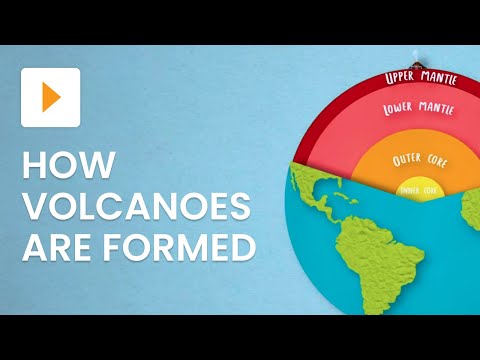
The Earth is layered, with the thin outer layer called the **crust** sitting on top of a thicker layer known as the **mantle**. When rocks in the mantle heat up enough—because let’s face it, they’re close to some seriously hot stuff—they start to melt and turn into magma. This process can happen due to things like subduction zones, where one tectonic plate dives under another, or rifting zones, where plates pull apart.
Once magma is formed, it can start making its way toward the surface through cracks in the crust. But here’s where it gets tricky: sometimes that magma finds a path and erupts as lava; other times, it just sits underground for years—like waiting for your pizza delivery when you’re super hungry.
When we talk about volcanic eruptions, there are usually two main types: **effusive** and **explosive**.
- Effusive eruptions happen when lava flows steadily out of a volcano like syrup from a bottle.
- Explosive eruptions, on the other hand, can be violent and send ash and rock flying high into the air.
A classic example? Think Mount St. Helens in 1980—it had one of those explosive moments that changed Washington State forever! Seriously, people were shocked by how much ash flew into the atmosphere.
But wait! There’s more! The type of eruption often depends on how viscous (or thick) that *magma* is. If it has a lot of silica (which is found in many types of rocks), it’s thicker and tends to trap gases longer—cue those dramatic explosions! Less silica means runnier lava flows which ooze rather than blast.
Moving on to volcano formations… These beauties come in different shapes and sizes based on their history and type of activity:
- Shield volcanoes
- Stratovolcanoes, like Mount Fuji in Japan, are steeper with layers built up from both explosive and effusive activity.
- Cinder cone volcanoes, which look like little hills made up of ash and small rocks blasted out during eruptions.
Now let’s zoom out a bit because these geological processes aren’t isolated events; they play a huge role in shaping our planet. Volcanic eruptions enhance soil fertility—the ash left behind after an eruption is packed with nutrients! Plus, they allow scientists to study what was happening inside Earth millions of years ago based on layers they find.
Yet there’s a balancing act with volcanic activity too. While volcanoes can create landforms and enrich soils, they also pose risks for nearby communities—like gas emissions or pyroclastic flows (those fast-moving clouds of hot gas). Remember Pompeii? It was buried under volcanic ash when Vesuvius erupted!
So next time you see a calm-looking mountain peak or hear about an eruption somewhere far away from home think about all those energetic geological processes going on just out of view beneath your feet! It’s more than just rock; it’s Earth’s chaotic creativity at work!
Exploring the Three Key Geological Factors Influencing Volcanic Activity
Volcanic activity is one of those fascinating aspects of our planet that really shows how dynamic Earth is, you know? There are three big geological factors that come into play when it comes to eruptions and lava flows. Let’s break them down.
1. Plate Tectonics
First off, you’ve got plate tectonics. It’s like the Earth’s crust is divided into puzzle pieces that are constantly moving, sometimes bumping into each other or pulling apart. When these plates interact, they can create volcanoes. For instance, along the Pacific Ring of Fire—where many tectonic plates meet—there are tons of active volcanoes. This is because some plates dive under others in a process called subduction, melting the rock and causing magma to rise up.
2. Magma Composition
Next, let’s talk about magma composition. Not all magma is created equal; it can have different amounts of gases and minerals in it, which affects how explosive a volcano might be. For example, if you have thick magma with lots of trapped gases (like at Mount St. Helens), you can end up with explosive eruptions that send ash flying everywhere! In contrast, thin magma tends to flow more easily and leads to gentle eruptions like those seen on Hawaii’s Big Island.
3. Geological Hotspots
Finally, we can’t forget about geological hotspots! These are places where hot mantle plumes melt through the Earth’s crust creating volcanic activity independent of plate boundaries. Think about the Hawaiian Islands; they formed as the Pacific Plate moved over a hotspot while the plume underneath kept producing lava that builds new land.
So yeah, these three factors—plate tectonics, magma composition, and hotspots—all work together to influence volcanic activity in different regions of our planet. Each eruption tells a story about what’s happening deep beneath us! It’s kind of like nature’s way of reminding us just how alive our Earth really is!
Volcanoes are, like, super fascinating, right? They’re not just these big mountains that occasionally blow their tops and spew lava everywhere. I mean, they tell a story about our planet’s inner workings. You know how when you bake a cake, there’s a lot going on inside the oven? Well, the Earth is kinda like that too—just with way more pressure and heat!
When you think about volcanoes, it’s easy to picture molten lava oozing down the side of a mountain or an explosive eruption sending ash into the sky. But beyond their dramatic displays is some seriously cool geology happening beneath the surface. Volcanoes form when molten rock—called magma—finds its way from deep within the Earth to the surface. This process happens because of tectonic plates shifting around like giant puzzles on a tabletop. Imagine those plates bumping into each other or pulling apart; it creates cracks and openings where magma can escape.
I remember visiting Mount St. Helens years ago. It was humbling standing there, imagining the power locked inside that mountain! The way nature can reshape itself is just mind-blowing. Like when it erupted in 1980—everything changed in an instant, leaving behind new landforms and ecosystems struggling to find their footing again.
So what’s all this got to do with Earth’s dynamic processes? Well, volcanoes play a vital role in shaping our environment and atmosphere. For starters, they release gases like water vapor and carbon dioxide during eruptions. Over time, these gases helped create Earth’s early atmosphere—pretty important for life as we know it! Plus, volcanic ash can enrich soils, making them super fertile for plants.
But there are downsides too; eruptions can lead to destruction of habitats and pose risks to human life if they occur near populated areas. It’s this delicate balance between creation and destruction that makes geology so compelling!
In short, volcanoes might seem like chaotic giants ready to unleash fury at any moment but really—they’re also key players in our planet’s ongoing saga of transformation and rebirth. Just think about how many times they shaped landscapes over millions of years! The next time you think of volcanoes, remember: they’re more than just explosions; they’re crucial components in Earth’s ceaseless dance of change!