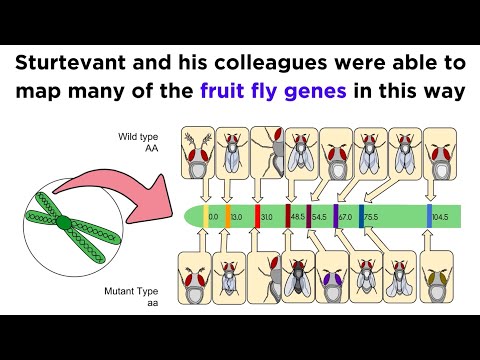
You know that feeling when you open a box of jigsaw puzzles, and there’s like a million pieces scattered everywhere? Well, think of genes as those puzzle pieces scattered across chromosomes. It’s wild how they all fit together to make you, well, you!
So imagine this: scientists have figured out how to map these tiny building blocks of life. They can pinpoint where each gene sits on a chromosome, like GPS for the genetic world. Pretty cool, huh?
Why does this matter? Well, knowing the order of genes can help us understand everything from traits we inherit to why certain diseases happen. And trust me, once you get into it, it feels like digging into a treasure map of who we are!
Understanding the Ordered Map of Chromosomes: Insights into Genetic Structure and Function in Science
Alright, let’s talk about chromosomes and how they’re stacked up in our DNA. Chromosomes are like the library of life, holding all the information for building and running an organism. They come in pairs, so humans have 23 pairs, making a total of 46. Crazy, right?
Now imagine you’re in that library. Each chromosome is a big book filled with loads of genes. Genes are the little instructions that tell your body how to work. So when scientists look at the order of genes on chromosomes, it’s like figuring out how the books are arranged on the shelves.
But here’s where it gets really interesting. The ordered map of chromosomes provides insights into how genes interact with one another. This ordering isn’t random; it plays a huge role in how traits are expressed. For instance, let’s say you have a gene for blue eyes sitting next to a gene that affects skin pigmentation. Their proximity might influence how these traits manifest together.
Also, scientists have developed techniques to visualize this chromosome mapping better than ever before! They can use tools like fluorescence in situ hybridization (FISH). Imagine little fluorescent markers labeling specific genes so researchers can see where everything falls on the chromosome spectrum.
Now think about this: if there’s a mistake or mutation in one of those genes—say you’ve got a gene for eye color that changes because of some environmental factor—that could totally change things! We know mutations can lead to diseases or different traits appearing over generations.
There are also special regions within chromosomes called centromeres, which play important roles during cell division—you know, when cells split to make new ones. If you ever saw those diagrams showing cells splitting apart during mitosis? That’s where centromeres get their time to shine!
In summary, understanding the ordered map of chromosomes gives us not just insight into genetic structure but also into function. It helps scientists figure out why certain traits appear and what can go wrong along the way.
So next time you hear someone talking about chromosomes or genetics, remember—it’s like organizing an elaborate library filled with secrets about life itself!
Comprehensive Guide to Chromosome Mapping: Key Insights and Essential Notes in Genetic Science
So, chromosome mapping, huh? It sounds complicated, but it’s really just a fancy way of figuring out where genes are on our chromosomes. Basically, think of chromosomes like long strings of beads. Each bead represents a gene, and chromosome mapping is all about putting those beads in order.
Imagine you’re at a concert. You’ve got your favorite bands playing one after the other, each with its own special place on the stage. That’s how it works for genes on chromosomes—some are closer together, while others are spaced out. And why does this matter? Well, knowing the order helps scientists understand how traits are inherited and how different genes interact with each other.
Now let’s get into the nitty-gritty stuff. When scientists want to map chromosomes, they often use two main methods: **linkage mapping** and **physical mapping**.
Linkage Mapping: This technique looks at how often certain traits are inherited together. For instance, if two traits usually show up in the same individuals more frequently than you’d expect by chance, those genes might be located close to each other on a chromosome. This method is kind of like seeing which friends always hang out together at parties—you know they’re likely to have something in common.
Physical Mapping: This one’s more about getting precise locations. Scientists use DNA sequencing to identify what specific segments of DNA correspond to certain characteristics or conditions. It’s like having a detailed map that not only shows you where your favorite bands performed but also tells you their setlist!
And let’s not forget about **gene therapy**, which has become super popular lately. By understanding chromosome maps better, scientists can pinpoint areas that might cause genetic disorders and work on fixing them! Imagine having a broken toy—knowing exactly where the problem is makes it way easier to repair it.
Aside from these methods, there are some key points worth mentioning:
- Resolution: The more detailed your map is, the better you understand gene relationships.
- Crossovers: These happen during reproduction when chromosomes exchange pieces of DNA—this shuffles genes and adds variation.
- Total Genes: Humans have about 20,000-25,000 genes mapped out across 23 pairs of chromosomes.
Oh! And let’s chat about bacterial artificial chromosomes (BACs). They’re used in mapping because they can hold large pieces of DNA. Think of them as really durable zip-lock bags for fragments of genetic material—perfect for storing those big chunks without them getting lost.
To wrap things up (not like we’re closing down a shop or anything), chromosome mapping is essential for advancing our knowledge in genetics. From studying heirloom tomatoes that taste divine to hunting down cures for genetic conditions—it helps us connect the dots in our genetic story. So next time you admire a beautiful flower or wonder why someone laughs like their dad does, remember that behind those traits lies an intricate map waiting to be explored!
Comprehensive Guide to Gene Mapping: Essential Questions and Answers PDF for Science Enthusiasts
Gene mapping is a pretty fascinating area of genetic research! It’s all about figuring out the location and order of genes on chromosomes, which basically helps us understand how traits get passed down from one generation to the next. It’s like trying to read a huge book where every chapter tells a story about who you are, you know?
So, what’s the big deal with gene mapping? Well, one of the main goals is to identify which genes are linked to specific traits or diseases. Imagine you’re looking for your favorite recipe in a giant cookbook. Each page represents a part of your DNA, and gene mapping helps us locate where everything is—makes it easier to find what we need when we want to understand stuff like inherited diseases.
Now let’s break things down a bit more. Here are some essential points:
1. What is gene mapping?
Gene mapping refers to the process of determining the specific locations of genes on chromosomes. It’s like making a treasure map for scientists!
2. How do scientists create these maps?
They use DNA sequencing techniques, which tell them the exact order of nucleotides—the building blocks of DNA. Then they can see where each gene fits into that sequence.
3. Why map genes at all?
Mapping genes helps researchers pinpoint which genes might be responsible for certain traits or diseases—and this knowledge can lead to groundbreaking treatments! For instance, understanding how some genes relate to conditions like cystic fibrosis has been key in developing therapies.
4. Types of maps:
There are different kinds of gene maps:
- Cytogenetic maps: These use light microscopy to visualize chromosomes and their structure.
- Linkage maps: These show how likely it is that genes will be inherited together based on their proximity.
- Physical maps: These provide precise measurements between markers on chromosomes.
Each type serves its unique purpose in genetic research!
5. The Human Genome Project:
One groundbreaking effort in gene mapping was the Human Genome Project (HGP). Completed in 2003, it mapped all human genes—around 20,000 to 25,000 of them! This massive project opened so many doors for genetics research and still influences studies today.
And here’s something interesting: single nucleotide polymorphisms (SNPs). So many people might not know this term! SNPs are variations at a single position in DNA among individuals; they help track inherited traits across generations.
But wait—what about ethical considerations? As awesome as gene mapping is, it comes with challenges too! For example, when someone has their genome sequenced, there’s always that question: how do we protect sensitive information? It’s super important to consider both privacy and consent levels!
In sum, gene mapping plays an integral role in modern genetics and medicine by helping us unlock secrets hidden deep within our DNA. Next time you think about your family history or even just how diverse our world can be genetically speaking—remember those clever scientists working hard on their “treasure maps”!
Mapping the order of genes on chromosomes and DNA is like piecing together a giant, intricate puzzle. You know, I remember this time in school when we were learning about genetics. My friend Sara was so fascinated by the idea that our traits come from tiny strands of DNA. We spent hours talking about how even something as simple as eye color is dictated by these invisible threads. It made me realize just how connected we all are to science, even in the most mundane aspects of life.
So, let’s break it down a bit! Chromosomes are these thread-like structures inside our cells that hold all our genetic info. Each chromosome contains many genes, which are like little instructions that tell our bodies how to function. Mapping them means figuring out where each gene is located along the chromosome, kind of like marking your favorite spots on a map.
This whole process is super important because knowing the exact order of genes can help scientists understand diseases and develop treatments. Imagine scientists using this information to find out why certain inherited conditions happen or even to personalize medicine for individuals based on their genetic makeup—pretty mind-blowing, huh?
But getting there isn’t just some straightforward task. It takes a ton of work and collaboration among researchers globally. They use techniques like genome sequencing to read the DNA and then meticulously piece together the sequences to map everything out accurately. And let’s not forget—all this data can lead us down some unexpected paths! Sometimes discoveries open up more questions than answers.
Even though it sounds technical and maybe a bit dry at first glance, mapping gene orders feels like uncovering secrets about ourselves—our history as a species interwoven with stories told through DNA. Can you picture how every little twist or turn in that sequence might reveal something significant about who we are? It’s stories wrapped up in science!
And who knows? Maybe one day understanding these maps will help us live longer, healthier lives or give us insight into what makes us uniquely human. So each piece of that puzzle matters—you follow me? Just thinking about all those potential discoveries makes me excited for what’s next in this journey through genetics!