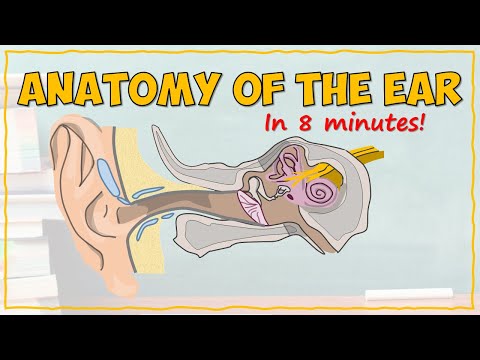
You know that moment when you’re trying to catch a glimpse of a movie, and someone’s munching popcorn so loudly next to you that you can’t focus? Well, that’s kinda like how our ears work!
They’re these amazing little organs that not only let us hear but also help us keep our balance. Imagine if, like, your ears were more than just holes in your head; they’re actually complex structures filled with tiny parts working together.
Honestly, it’s wild when you think about how much goes on in there! So, let’s dive into the intricate anatomy of ear structures and what they actually do. You might find yourself appreciating your ears a bit more—despite the popcorn crunching!
Exploring the 4 Quadrants of the Ear: A Scientific Overview
The ear is one of those marvelous things in our bodies that we often take for granted. Seriously, have you ever stopped to think about how complex and cool it really is? It’s not just about hearing; it’s a whole system that helps us balance, too. Now, let’s break down the ear into four main quadrants to get a better look at what’s going on in there.
The Outer Ear
This is the part you can see. It includes the pinna (the flap of skin you poke), and the ear canal, which leads to the eardrum. The outer ear acts like a funnel, catching sound waves and directing them inside. Think of it this way: when you cup your hand around your ear, you’re basically making your own little outer ear!
The Middle Ear
Now we get into some more intricate stuff. The middle ear houses tiny bones called ossicles: the malleus (hammer), incus (anvil), and stapes (stirrup). They’re super small but incredibly important—like the rock band of your ear! When sound waves hit the eardrum, these bones amplify those vibrations before sending them to the inner ear. This amplification is crucial because sounds need to be strong enough to travel through fluid in the next part, so it’s like turning up the volume.
The Inner Ear
Here comes one of my favorite parts—the cochlea! It looks like a spiral-shaped snail shell and is packed with fluid and tiny hair cells that convert sound vibrations into electrical signals for your brain. Basically, as those tiny hairs sway with vibrations, they send messages saying “Hey brain! There’s a sound over here!” How wild is that? This section also includes vestibular systems that help maintain balance. Ever felt dizzy after spinning around? That’s because your inner ear got all mixed up!
The Eustachian Tube
Finally, let’s not forget about this little tube connecting your middle ear to your throat. It helps equalize pressure—like when you yawn or swallow during takeoff on an airplane so your ears don’t pop. Anytime you’re feeling pressure changes in your ears, thank this tube for helping keep things balanced.
So there you have it! Each quadrant contributes uniquely to how we perceive sound while also balancing our bodies in an intricate dance of anatomy and function. Pretty amazing how much goes on inside our heads without us even realizing it! You follow me? Next time someone talks about their hearing or balance issues, you’ll have a pretty good idea of what might be going on behind those earlobes!
Understanding the Anatomy of the Ear: Key Parts and Their Functions in Human Biology
The ear is this incredible structure that lets us experience sound, but it’s not just a single thing. It’s more like a small community of awesome parts working together. Let’s break down the main sections and what they do.
The Outer Ear
First up, we have the outer ear, which includes the pinna and the ear canal. The pinna is that part you can see—the fleshy bit that sticks out. Its job is to catch sound waves and funnel them into your ear canal. Think of it like a little satellite dish for sound! Then, these sound waves travel down the ear canal until they hit the eardrum.
The Eardrum
The eardrum, or tympanic membrane, is pretty cool. It vibrates when sound waves hit it. Imagine stretching a balloon and plucking it—just like that! These vibrations are crucial because they start the process of turning air vibrations into something your brain can understand.
The Middle Ear
Now we’re in the middle ear, where things get even more interesting. Here we find three tiny bones called the ossicles: the malleus (hammer), incus (anvil), and stapes (stirrup). Seriously, these bones are super small but super important! They amplify those eardrum vibrations before sending them to the inner ear. It’s like turning up the volume on your favorite song!
To give you an idea, if you ever had your ears pop while climbing a mountain or going down in an elevator, that’s your body trying to balance pressure in this middle space through a tube called the Eustachian tube. It’s why sometimes you hear that “whoosh” feeling!
The Inner Ear
Finally, we reach the inner ear where magic happens! This part contains two main structures: the Cochlea and Labyrinth. The cochlea looks like a tiny snail shell and is filled with fluid. When those ossicles send their vibes into it, they create waves in this fluid.
Here’s where it gets neat—inside the cochlea are tiny hair cells that respond to those fluid waves by moving up and down. Each hair cell corresponds to different sound frequencies; high sounds trigger one set of cells while low sounds trigger another. It’s kind of like typing a secret code with music!
And then there’s equilibrium! The labyrinth helps with balance and spatial orientation through structures called semicircular canals filled with fluid as well. Ever tried spinning around really fast? That dizzy feeling afterward? That’s your inner ear letting you know where you are.
In summary, each section plays its part:
- Pinna: Gathers sound.
- Eardrum: Vibrates from sound waves.
- Ossicles: Amplify vibrations.
- Cochlea: Converts vibrations into electrical signals.
- Labyrinth: Maintains balance.
So next time you’re listening to music or chatting with friends, remember how much teamwork goes on inside your ears! Each part has its job helping us enjoy those sweet sounds around us every day—and isn’t that just magical?
Exploring the Anatomy of the Outer Ear: Key Components and Their Functions
The outer ear is like the welcoming committee for sounds. It’s the part of your ear that you can actually see, and it’s got some cool features that help us connect with the world around us. So, let’s break it down into its main components and what they do.
The Pinna is that fleshy part you touch when you’re trying to listen to something closely. It’s shaped like a funnel, pulling sound waves in towards the ear canal. Think of it as a natural satellite dish! The unique shape helps in directing sounds from various directions straight into the ear.
Next up is the ear canal, or auditory canal. It’s a tube-like structure that runs from the pinna to the eardrum. This little passageway is about three centimeters long in adults and serves a couple of purposes. First, it protects the delicate parts deeper inside by keeping dirt and bugs out (yikes!). Second, it amplifies sound waves before they hit your eardrum. Kinda neat, huh?
Speaking of which, at the end of this canal lies the tympanic membrane, more commonly known as the eardrum. It’s a thin layer that vibrates when sound waves hit it. Those vibrations are super important because they start converting sound into something that your brain can understand! The eardrum also helps keep pressure balanced on both sides, which is vital for hearing properly.
Now let’s talk about cerumen, or earwax if you prefer keeping things casual! It’s produced by glands in your ear canal and actually plays an important role in keeping your ears healthy. It traps dust and tiny particles, preventing them from going deeper into your ear—like a protective magic shield! Plus, it has antibacterial properties which help fend off infections.
Some people have odd feelings about their outer ears; maybe they think they’re too big or oddly shaped. But honestly? Everyone’s are different, and that’s actually pretty cool! Just think of them as unique little shapes crafted over time through genetics and evolution—each serving its purpose!
So yeah, together these components work harmoniously to help us hear everything—from soft whispers to loud music at concerts! The outer ear may seem simple at first glance but trust me, it’s doing some heavy lifting behind the scenes so we can enjoy all those amazing sounds around us. Next time you’re listening to your favorite song or catching up with a friend, remember all those little parts working just for you!
You know, the ear is one of those amazing little wonders of our bodies that often gets overlooked. I mean, think about it: we use our ears every single day, but how often do we stop to consider just how complex they really are? I was reminded of this the other day when I popped in my earbuds and got lost in my favorite playlist. It hit me then—without these intricate structures working together, I’d be missing out on so much joy.
So, let’s break it down a bit. First off, your ear has three main parts: the outer ear, middle ear, and inner ear. Each section has its own role to play in helping you hear the world around you. The outer part is what most people think of when they hear “ear” — you know, the visible part that collects sound waves. It’s like a little funnel drawing in all those sounds!
Then there’s the middle ear. This zone is where things get interesting. It contains tiny bones called ossicles—they’re super small but pack a punch! These bones (the malleus, incus, and stapes) transmit vibrations from the eardrum to the inner ear. Can you imagine? They’re literally making sure those sound waves get turned into something we can understand.
Now here’s where it gets even cooler: the inner ear. This part has a snail-shaped structure called the cochlea that’s lined with hair cells (which are not actually hairs but are sensory cells). When sound vibrations hit these hair cells, they convert them into electrical signals sent straight to your brain! So basically, this little coil is translating sounds into messages so we can make sense of everything from music to conversations.
Thinking about all these functions makes me appreciate my ears even more! There was this time when I went to a concert—it was deafeningly loud but absolutely magical. Watching everyone move and dance like they were connected through sound was just insane! It made me realize how crucial hearing is in forming connections and sharing experiences with others.
It’s wild to consider how much goes on inside your ears without you even realizing it. The coordination between different parts is like a well-rehearsed symphony—each piece knows its role and works together seamlessly. So next time you find yourself jamming to your favorite tune or having a chat with friends over coffee, take a moment to appreciate all that intricate anatomy at work! It’s pretty mind-blowing if you ask me—and honestly? It just adds another layer of magic to being human.